
Title
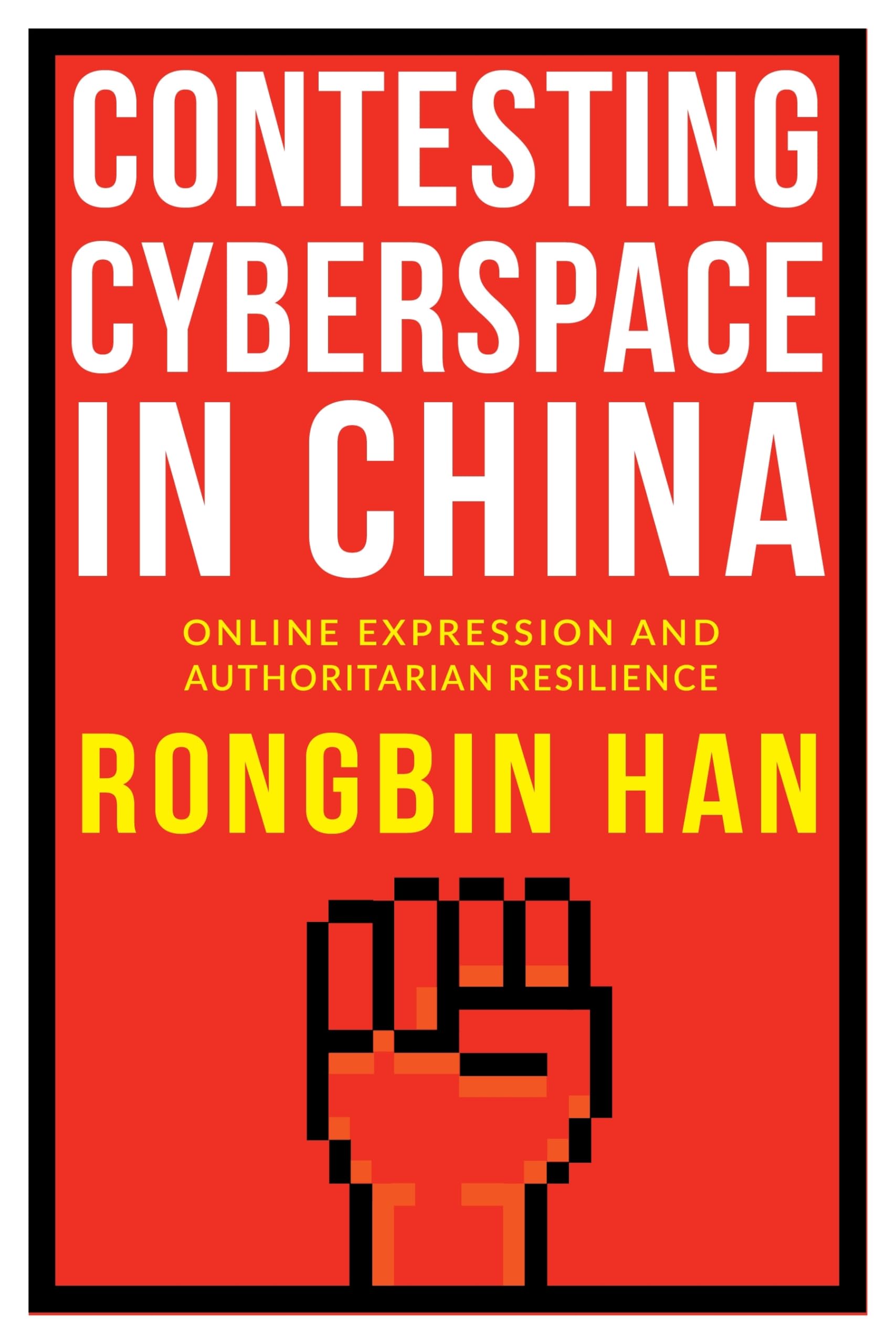
Contesting Cyberspace in China: Online Expression and Authoritarian Resilience,Used
Sold by Ergodebooks, an authorized reseller.
Returns accepted within 30 days | support@ergodebooks.com
Shipping Information
- Free Standard Shipping — United States only
- Processing Time: 3–5 business days
- Estimated Delivery: 6–10 business days after dispatch
- Double-boxed, fully insured & discreetly packaged
- Tracking number sent via email once dispatched
Returns & Refund
Returns accepted within 30 days of delivery.
Damaged or Defective Item
Free return shipping + replacement or full refund
Wrong Item Received
Free return shipping + replacement or full refund
Change of Mind
Return shipping at customer's expense · 25% restocking fee applies
Payment Option

The Internet was supposed to be an antidote to authoritarianism. It can enable citizens to express themselves freely and organize outside state control. Yet while online activity has helped challenge authoritarian rule in some cases, other regimes have endured: no movement comparable to the Arab Spring has arisen in China. In Contesting Cyberspace in China, Rongbin Han offers a powerful counterintuitive explanation for the survival of the worlds largest authoritarian regime in the digital age.Han reveals the complex internal dynamics of online expression in China, showing how the state, service providers, and netizens negotiate the limits of discourse. He finds that state censorship has conditioned online expression, yet has failed to bring it under control. However, Han also finds that freer expression may work to the advantage of the regime because its critics are not the only ones empowered: the Internet has proved less threatening than expected due to the multiplicity of beliefs, identities, and values online. Statesponsored and spontaneous progovernment commenters have turned out to be a major presence on the Chinese internet, denigrating dissenters and barraging oppositional voices. Han explores the recruitment, training, and behavior of hired commenters, the fiftycent army, as well as group identity formation among nationalistic Internet posters who see themselves as patriots defending China against online saboteurs. Drawing on a rich set of data collected through interviews, participant observation, and longterm online ethnography, as well as official reports and state directives, Contesting Cyberspace in China interrogates our assumptions about authoritarian resilience and the democratizing power of the Internet.
⚠️ WARNING (California Proposition 65):
This product may contain chemicals known to the State of California to cause cancer, birth defects, or other reproductive harm.
For more information, please visit www.P65Warnings.ca.gov.