
Title
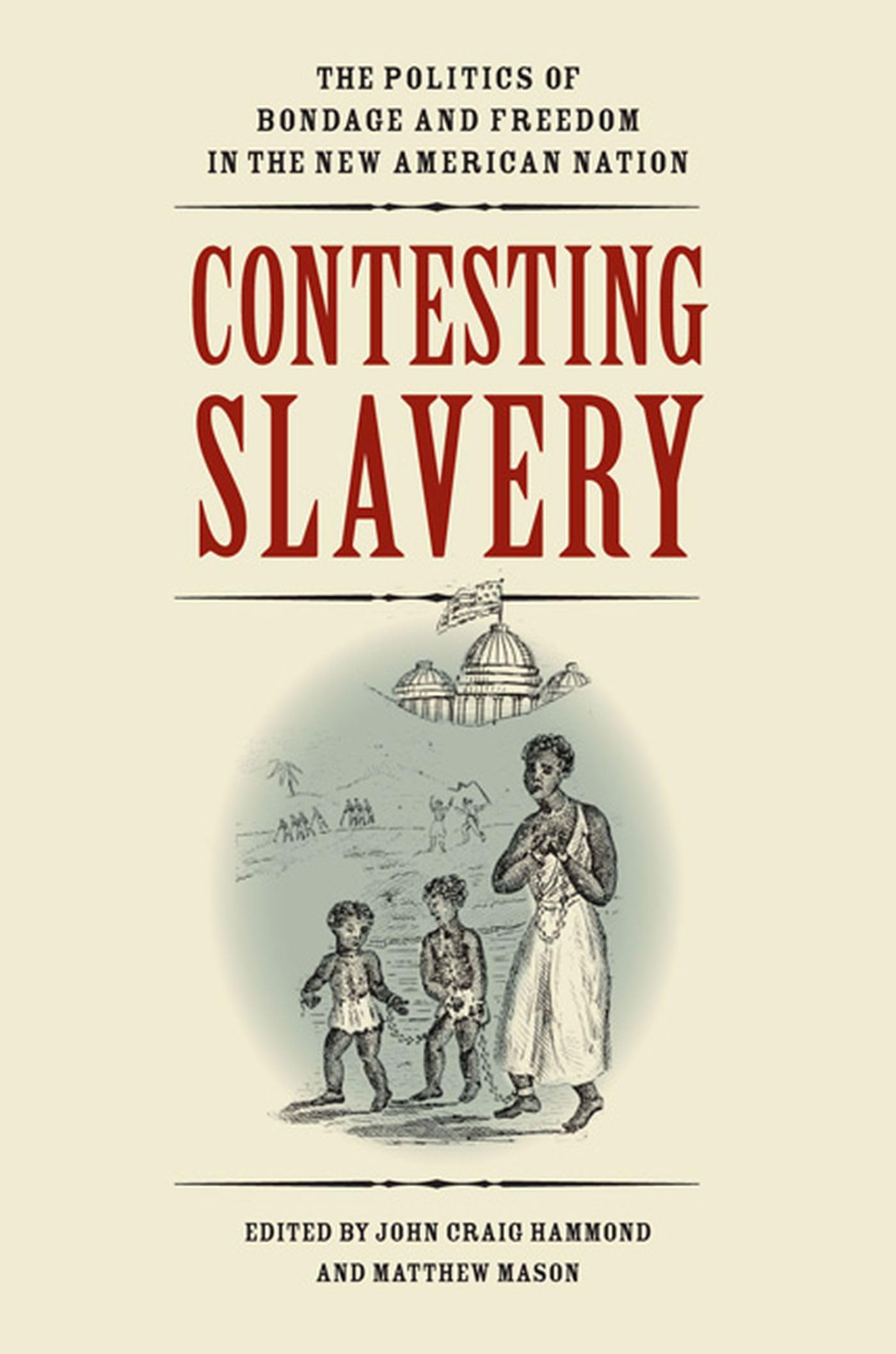
Contesting Slavery: The Politics Of Bondage And Freedom In The New American Nation (Jeffersonian America),Used
Sold by Ergodebooks, an authorized reseller.
Returns accepted within 30 days | support@ergodebooks.com
Shipping Information
- Free Standard Shipping — United States only
- Processing Time: 3–5 business days
- Estimated Delivery: 6–10 business days after dispatch
- Double-boxed, fully insured & discreetly packaged
- Tracking number sent via email once dispatched
Returns & Refund
Returns accepted within 30 days of delivery.
Damaged or Defective Item
Free return shipping + replacement or full refund
Wrong Item Received
Free return shipping + replacement or full refund
Change of Mind
Return shipping at customer's expense · 25% restocking fee applies
Payment Option

Recent scholarship on slavery and politics between 1776 and 1840 has wholly revised historians understanding of the problem of slavery in American politics. Contesting Slavery builds on the best of that literature to reexamine the politics of slavery in revolutionary America and the early republic.The original essays collected here analyze the Revolutionary era and the early republic on their own terms to produce fresh insights into the politics of slavery before 1840. The collection forces historians to rethink the multiple meanings of slavery and antislavery to a broad array of Americans, from free and enslaved African Americans to proslavery ideologues, from northern farmers to northern female reformers, from minor party functionaries to political luminaries such as Henry Clay.The essays also delineate the multiple ways slavery sustained conflict and consensus in local, regional, and national politics. In the end, Contesting Slavery both establishes the abiding presence of slavery and sectionalism in American political life and challenges historians longstanding assumptions about the place, meaning, and significance of slavery in American politics between the Revolutionary and antebellum eras.Contributors: Rachel Hope Cleves, University of Victoria * David F. Ericson, George Mason University * John Craig Hammond, Penn State University, New Kensington * Matthew Mason, Brigham Young University * Richard Newman, Rochester Institute of Technology * James Oakes, CUNY Graduate Center * Peter S. Onuf, University of Virginia * Robert G. Parkinson, Shepherd University * Donald J. Ratcliffe, University of Oxford * Padraig Riley, Dalhousie University * Edward B. Rugemer, Yale University * Brian Schoen, Ohio University * Andrew Shankman, Rutgers University, Camden * George William Van Cleve, University of Virginia * Eva Sheppard Wolf, San Francisco State University
⚠️ WARNING (California Proposition 65):
This product may contain chemicals known to the State of California to cause cancer, birth defects, or other reproductive harm.
For more information, please visit www.P65Warnings.ca.gov.