
Title
Contingent Countryside: Settlement, Economy, And Land Use In The Southern Argolid Since 1700,Used
Sold by Ergodebooks, an authorized reseller.
Returns accepted within 30 days | support@ergodebooks.com
Shipping Information
- Free Standard Shipping — United States only
- Processing Time: 3–5 business days
- Estimated Delivery: 6–10 business days after dispatch
- Double-boxed, fully insured & discreetly packaged
- Tracking number sent via email once dispatched
Returns & Refund
Returns accepted within 30 days of delivery.
Damaged or Defective Item
Free return shipping + replacement or full refund
Wrong Item Received
Free return shipping + replacement or full refund
Change of Mind
Return shipping at customer's expense · 25% restocking fee applies
Payment Option

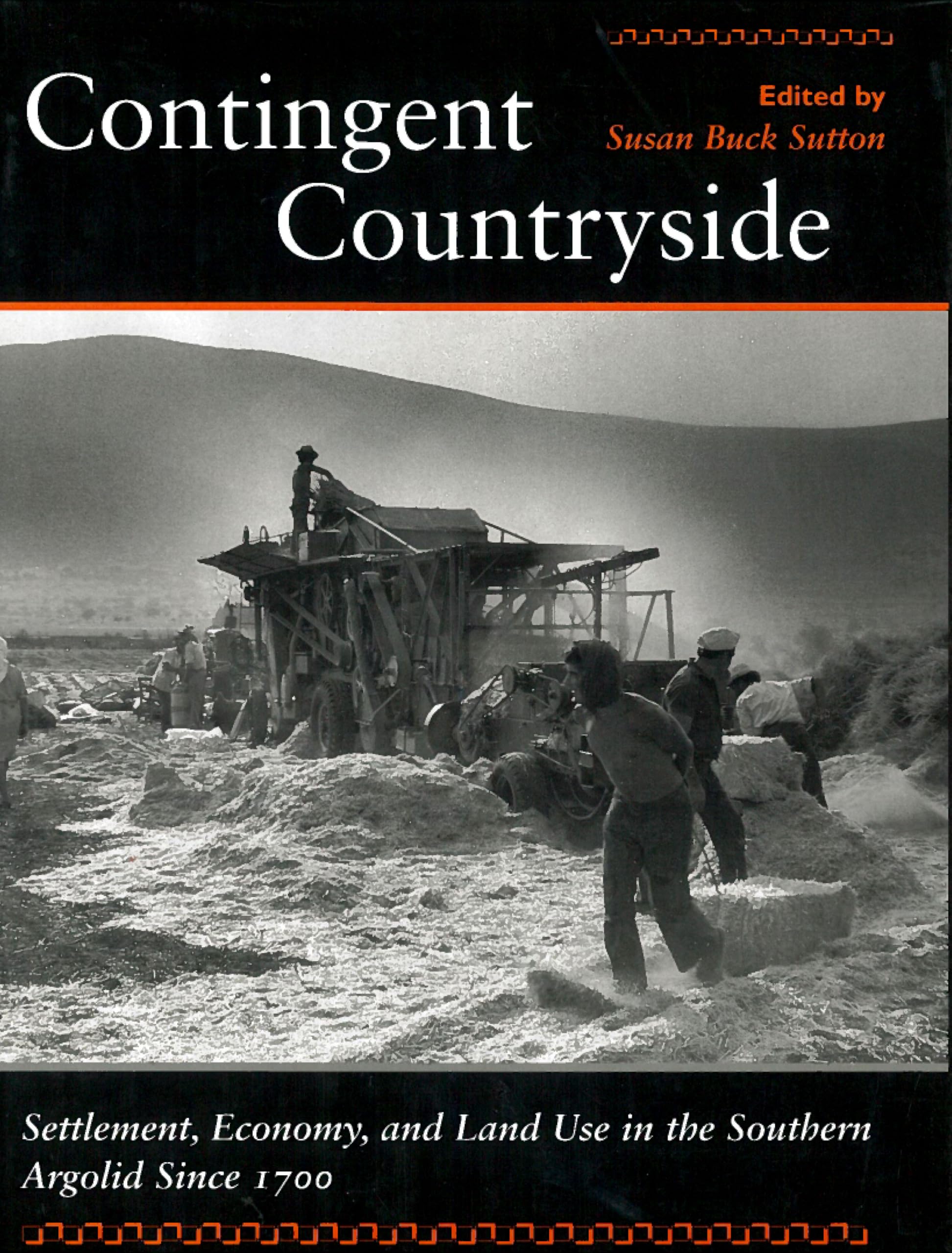
The essays in this volume are united by their attention to the many ways in which residents of Greeces southern Argolid peninsula have attempted to shelter, feed, and advance the economic situation of their families over the last three centuries. This work juxtaposes a series of research projects undertaken in various communities, projects that, taken together, have made the southern Argolid the focus of more ethnographic and ethnohistorical study than any other comparable region of Greece. Ethnographic, geographic, historical, and archaeological methodologies are integrated to yield an image of the southern Argolid as a contingent countryside whose boundaries, character, people, and external connections have been reconfigured time and again. Such notions strengthen general reformulations occurring within Greek ethnography and speak directly to archaeological attempts to connect the Greek past and present. This volume, the fourth in a series of books deriving from the Argolid Exploration Project conducted by Stanford University, sets forth the material conditions of rural Greek life as mutable and negotiated in ways that complement archaeological interest in the repeated settlement fluctuations of the Greek past. It also exemplifies recent ethnographic shifts in conceiving other aspects of modern Greek life. The volume replaces assumptions of village longevity with inquiry into what causes settlements to form and grow or to decline. It places idealized inheritance patterns alongside records of actual land transactions. Houses expand, contract, and change over time. The social boundaries among shepherds, farmers, and sailors blur through an exploration of personal occupation histories. In short, the book reexamines and questions many of the categories and concepts by which rural Greece has long been represented.
⚠️ WARNING (California Proposition 65):
This product may contain chemicals known to the State of California to cause cancer, birth defects, or other reproductive harm.
For more information, please visit www.P65Warnings.ca.gov.