If you have any questions, you are always welcome to contact us. We'll get back to you as soon as possible, withing 24 hours on weekdays.
Customer service
All questions about your order, return and delivery must be sent to our customer service team by e-mail at yourstore@yourdomain.com
Sale & Press
If you are interested in selling our products, need more information about our brand or wish to make a collaboration, please contact us at press@yourdomain.com
Help
If you have any questions, you are always welcome to contact us. We'll get back to you as soon as possible, withing 24 hours on weekdays.
Customer service
All questions about your order, return and delivery must be sent to our customer service team by e-mail at yourstore@yourdomain.com
Sale & Press
If you are interested in selling our products, need more information about our brand or wish to make a collaboration, please contact us at press@yourdomain.com
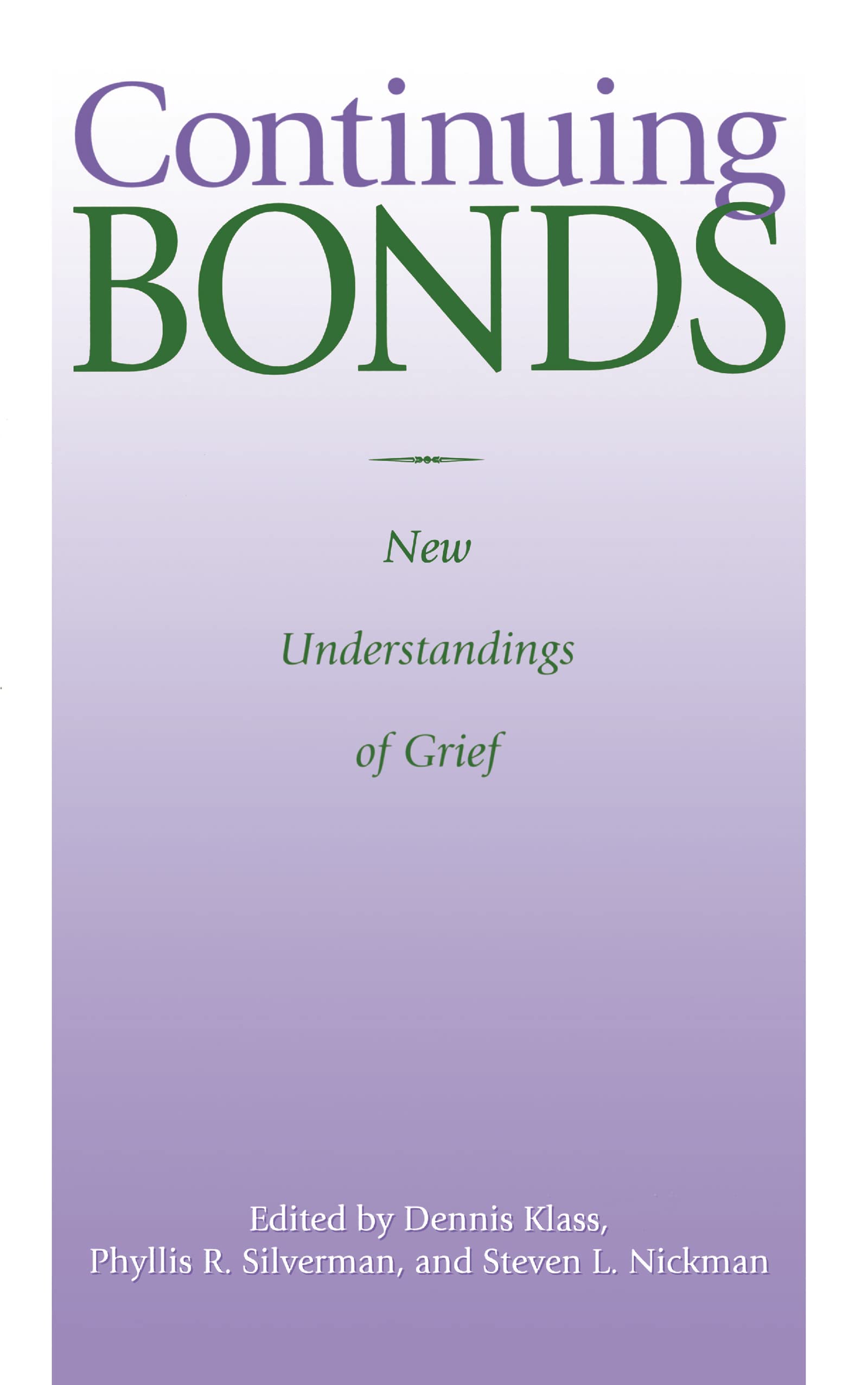
First published in 1996. This new book gives voice to an emerging consensus among bereavement scholars that our understanding of the grief process needs to be expanded. The dominant 20th century model holds that the function of grief and mourning is to cut bonds with the deceased, thereby freeing the survivor to reinvest in new relationships in the present. Pathological grief has been defined in terms of holding on to the deceased. Close examination reveals that this model is based more on the cultural values of modernity than on any substantial data of what people actually do.Presenting data from several populations, 22 authors among the most respected in their fields demonstrate that the health resolution of grief enables one to maintain a continuing bond with the deceased. Despite cultural disapproval and lack of validation by professionals, survivors find places for the dead in their ongoing lives and even in their communities. Such bonds are not denial: the deceased can provide resources for enriched functioning in the present.Chapters examine widows and widowers, bereaved children, parents and siblings, and a population previously excluded from bereavement research: adoptees and their birth parents. Bereavement in Japanese culture is also discussed, as are meanings and implications of this new model of grief. Opening new areas of research and scholarly dialogue, this work provides the basis for significant developments in clinical practice in the field.
⚠️ WARNING (California Proposition 65):
This product may contain chemicals known to the State of California to cause cancer,
birth defects, or other reproductive harm.
For MAP (Minimum Advertised Price) violations and Intellectual Property (IP) or Trademark concerns, please contact:
support@ergodebooks.com
⚠️ California Proposition 65 Warning: Some products sold on this website may expose you to chemicals known to the State of California to cause cancer, birth defects, or other reproductive harm. For more information, visit www.P65Warnings.ca.gov.