
Title
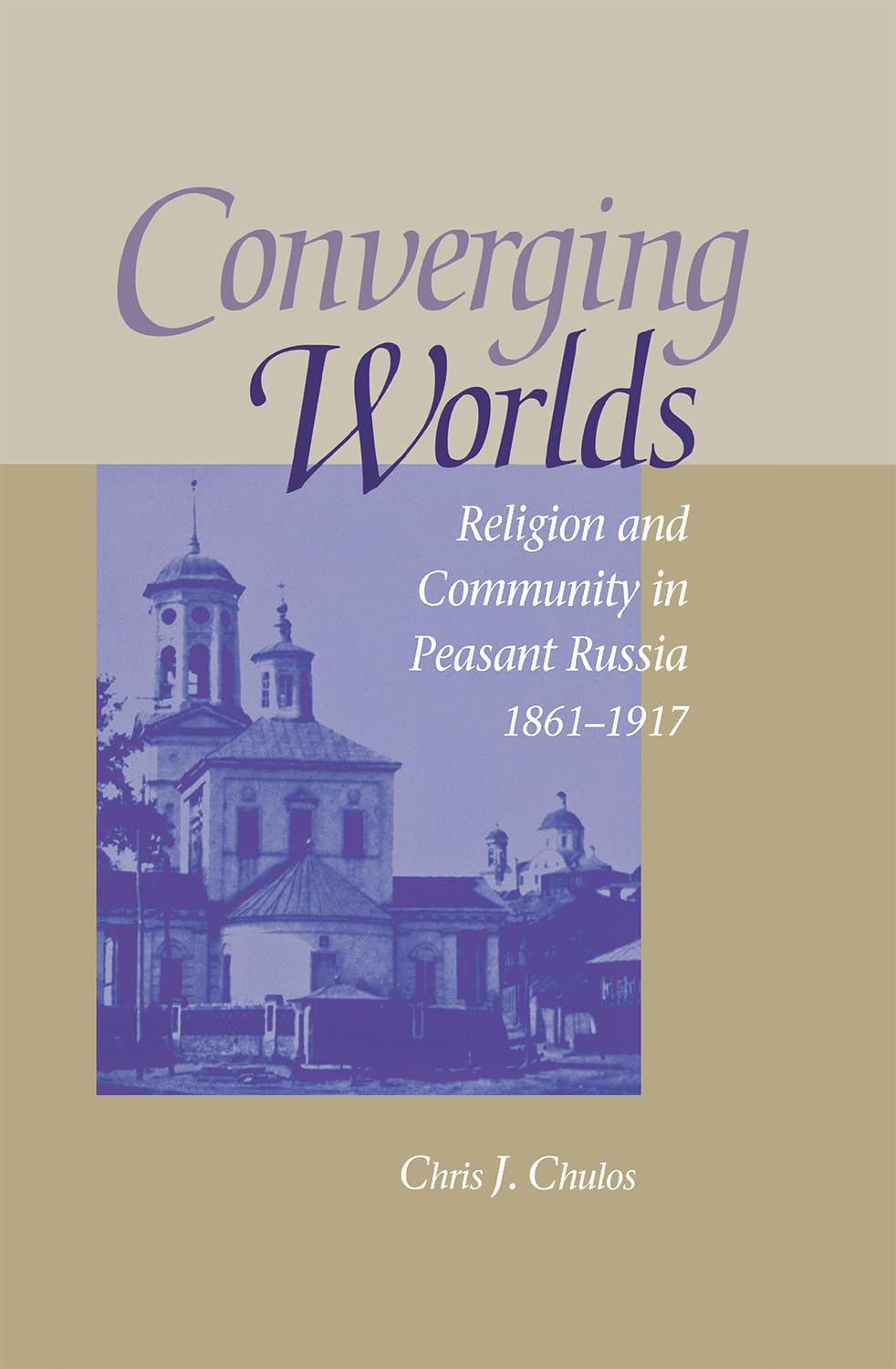
Converging Worlds: Religion and Community in Peasant Russia, 18611917 (NIU Series in Slavic, East European, and Eurasian Studie,New
Sold by Ergodebooks, an authorized reseller.
Returns accepted within 30 days | support@ergodebooks.com
Shipping Information
- Free Standard Shipping — United States only
- Processing Time: 3–5 business days
- Estimated Delivery: 6–10 business days after dispatch
- Double-boxed, fully insured & discreetly packaged
- Tracking number sent via email once dispatched
Returns & Refund
Returns accepted within 30 days of delivery.
Damaged or Defective Item
Free return shipping + replacement or full refund
Wrong Item Received
Free return shipping + replacement or full refund
Change of Mind
Return shipping at customer's expense · 25% restocking fee applies
Payment Option

Converging Worlds describes the interplay between peasant religious life and the broader social and cultural transformation of late tsarist Russia. Through a detailed examination of religious practices and ceremonies among the peasantry in the province of Voronezh, Chulos challenges existing conceptions of religion in Russia and sheds new light on the development of modern national identity.Ageold rituals, customs, and beliefs helped peasants to adapt to industrialization and modernization by providing a spiritual and psychological framework for change. The dependable rhythms of village holidays and rituals marking the stages of human life gave the peasantry a sense of stability and comfort as their traditions slowly unraveled in the face of urban culture. Encouraged by educated Russians who traveled the countryside in search of the ideal national type, peasant communities began to reconstruct tales of their village origin. These stories linked people in remote locales to the central events and heroes of imperial Russian history.Village and urban cultural worlds clashed over peasant demands for the devolution of political, cultural, and social authority. By the time revolutionary fervor ignited the countryside in 1905, the village faithful demonstrated a new confidence in their ability to shape their own futureand Russia'sas they agitated for greater control over local religious life.By 1917, peasant disenchantment reached new heights and helped to create a new popular Orthodoxy that no longer looked to tsar and church as valid sources of authority and identity. As peasant believers took control of their local religious life, they inadvertently aided antireligious activists in driving religion underground, thereby estranging future generations from a fundamental pillar of their cultural heritage.
⚠️ WARNING (California Proposition 65):
This product may contain chemicals known to the State of California to cause cancer, birth defects, or other reproductive harm.
For more information, please visit www.P65Warnings.ca.gov.