
Title
Corporate Power In Global Agrifood Governance (Food, Health, And The Environment),New
Sold by Ergodebooks, an authorized reseller.
Returns accepted within 30 days | support@ergodebooks.com
Shipping Information
- Free Standard Shipping — United States only
- Processing Time: 3–5 business days
- Estimated Delivery: 6–10 business days after dispatch
- Double-boxed, fully insured & discreetly packaged
- Tracking number sent via email once dispatched
Returns & Refund
Returns accepted within 30 days of delivery.
Damaged or Defective Item
Free return shipping + replacement or full refund
Wrong Item Received
Free return shipping + replacement or full refund
Change of Mind
Return shipping at customer's expense · 25% restocking fee applies
Payment Option

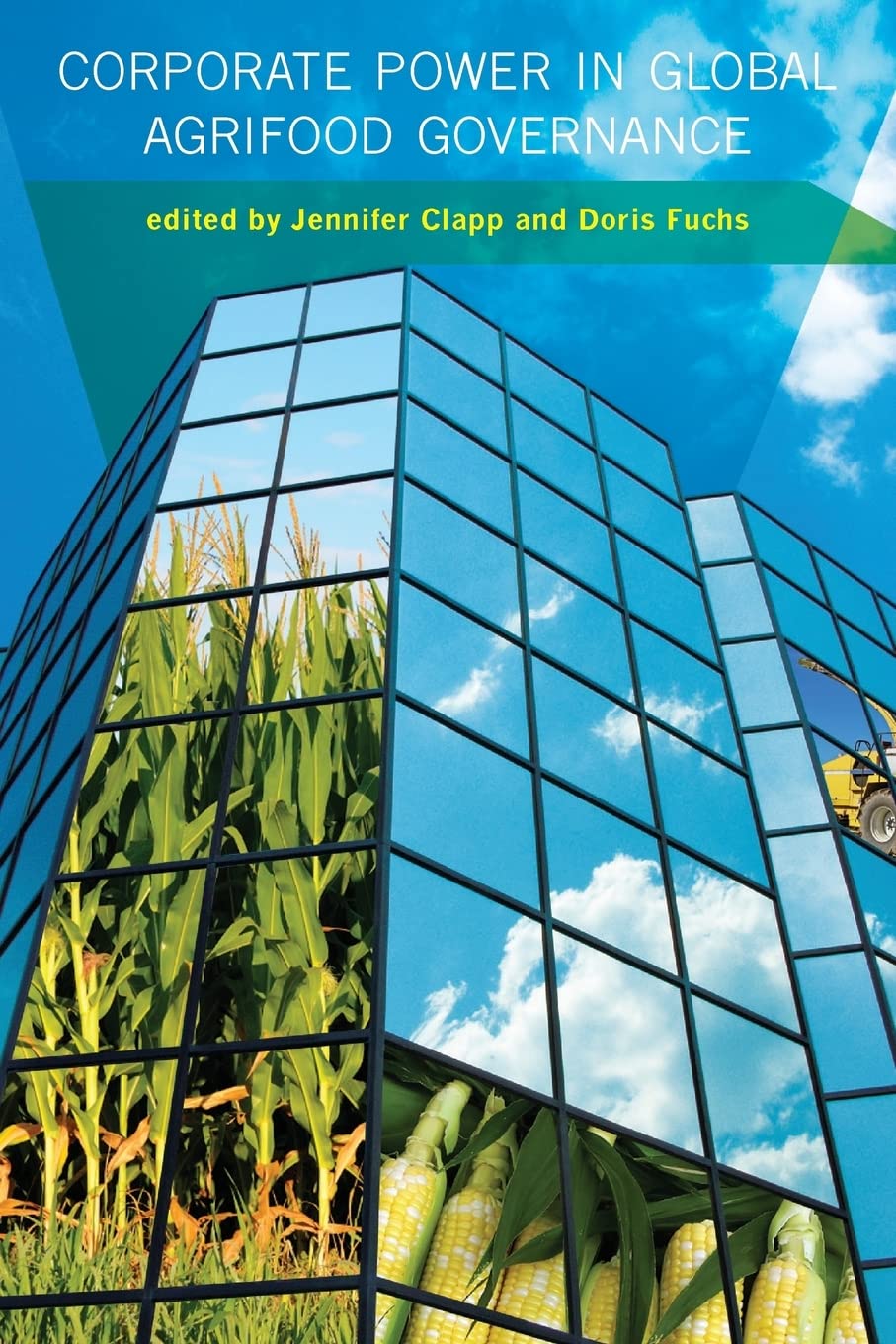
Experts Examine The Ways Transnational Corporations Exercise Power Over Governance Of The Global Food System And The Implications This Has For Sustainabilityin Today'S Globally Integrated Food System, Events In One Part Of The World Can Have Multiple And Wideranging Effects, As Has Been Shown By The Recent And Rapid Global Rise In Food Prices. Transnational Corporations (Tncs) Have Been Central To The Development Of This Global Food System, Dominating Production, International Trade, Processing, Distribution, And Retail Sectors. Moreover, These Global Corporations Play A Key Role In The Establishment Of Rules And Regulations By Which They Themselves Are Governed. This Book Examines How Tncs Exercise Power Over Global Food And Agriculture Governance And What The Consequences Are For The Sustainability Of The Global Food System. The Book Defines Three Aspects Of This Corporate Power: Instrumental Power, Or Direct Influence; Structural Power, Or The Broader Influence Corporations Have Over Setting Agendas And Rules; And Discursive, Or Communicative And Persuasive, Power. The Book Begins By Examining The Nature Of Corporate Power In Cases Ranging From 'Green' Food Certification In Southeast Asia And Corporate Influence On U.S. Food Aid Policy To Governance In The Seed Industry And International Food Safety Standards. Chapters Examine Such Issues As Promotion Of Corporatedefined 'Environmental Sustainability' And 'Food Security,' Biotechnology Firms And Intellectual Property Rights, And Consumer Resistance To Gmos And Other Cases Of Contestation In Agrobiology. In A Final Chapter, The Editors Raise The Crucial Question Of How To Achieve Participation, Transparency, And Accountability In Food Governance.Contributorsmaarten Arentsen, Jennifer Clapp, Robert Falkner, Doris Fuchs, Agni Kalfagianni, Peter Newell, Steffanie Scott, Susan Sell, Elizabeth Smythe, Peter Vandergeest, Marc Williams, Mary Young
⚠️ WARNING (California Proposition 65):
This product may contain chemicals known to the State of California to cause cancer, birth defects, or other reproductive harm.
For more information, please visit www.P65Warnings.ca.gov.