
Title
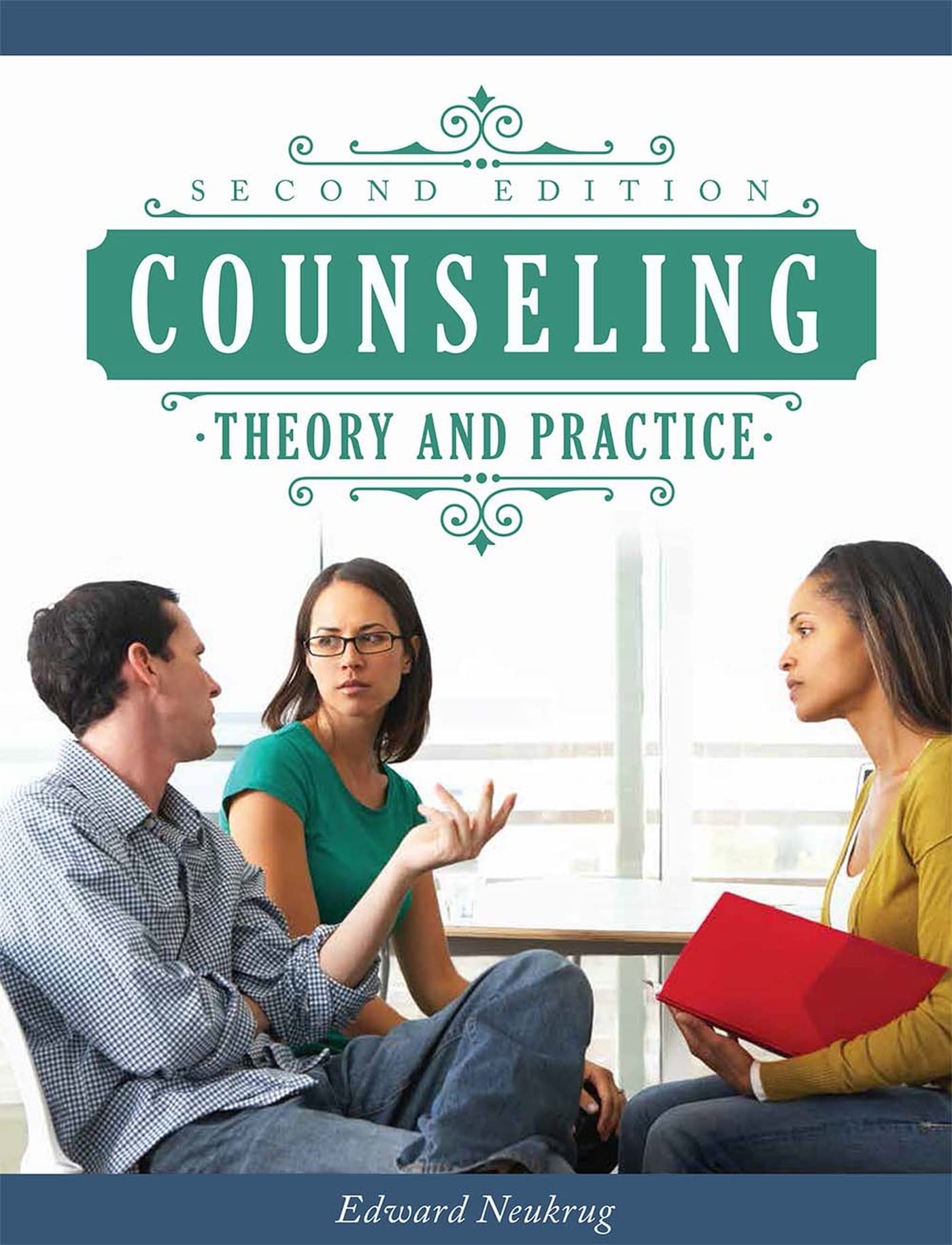
Counseling Theory and Practice,Used
Sold by Ergodebooks, an authorized reseller.
Returns accepted within 30 days | support@ergodebooks.com
Shipping Information
- Free Standard Shipping — United States only
- Processing Time: 3–5 business days
- Estimated Delivery: 6–10 business days after dispatch
- Double-boxed, fully insured & discreetly packaged
- Tracking number sent via email once dispatched
Returns & Refund
Returns accepted within 30 days of delivery.
Damaged or Defective Item
Free return shipping + replacement or full refund
Wrong Item Received
Free return shipping + replacement or full refund
Change of Mind
Return shipping at customer's expense · 25% restocking fee applies
Payment Option

Developed for helping professionals, Counseling Theory and Practice explains what it means to be an effective helper, discusses foundations of classic counseling and psychotherapy theories, provides an overview of emerging theories, and gives students the opportunity to develop their own approaches to counseling and psychotherapy practice.The book is organized into four primary sections, each addressing theoretical schools. Section 1 explores psychodynamic approaches, including psychoanalysis, Jungian therapy, and Adlerian therapy. Section 2 is devoted to existentialhumanistic approaches such as existential therapy, Gestalt therapy, and personcentered counseling, while Section 3 discusses cognitivebehavioral approaches, including behavior therapy, cognitive behavior therapy, rationalemotive behavior therapy, and reality therapy. Section 4 describes postmodern therapies and examines the relatively new approaches of narrative therapy, solutionfocused brief therapy, and relational cultural therapy, a form of feminist therapy. The final chapter explores a number of more recent and emerging theories.Informative and engaging, Counseling Theory and Practice is wellsuited to courses for both preservice professionals and those already in the field.Dr. Edward Neukrug is a professor of counseling and human services at Old Dominion University. A licensed professional counselor and licensed psychologist, he has experience in outpatient therapy, crisis counseling, substance abuse counseling, couples and family counseling, private practice, and as a school counselor. Dr. Neukrug is a nationally known author, presenter, and researcher. He is the author of eleven books: The Dictionary of Counseling and Human Services; Skills and Techniques for Human Service Professionals; Counseling Theory and Practice (2nd ed.); The World of the Counselor (5th ed.); Experiencing the World of the Counselor: A Workbook for Counselor Educators and Students (4th ed.); Theory, Practice and Trends in Human Services: An Introduction to An Emerging Profession (6th ed.); Essentials of Testing and Assessment for Counselors, Social Workers, and Psychologists (3rd ed.); A Brief Orientation to Counseling: Professional Identity, History, and Standards (2nd ed.); Skills and Tools for Today's Counselors and Psychotherapists; Counseling and Helping Skills: Critical Techniques for Becoming a Counselor; and Sage Encyclopedia of Theory in Counseling and Psychotherapy (editor).
⚠️ WARNING (California Proposition 65):
This product may contain chemicals known to the State of California to cause cancer, birth defects, or other reproductive harm.
For more information, please visit www.P65Warnings.ca.gov.
- Q: What is the main focus of 'Counseling Theory and Practice'? A: The book focuses on the foundations of classic counseling and psychotherapy theories, along with emerging theories, helping professionals understand what it means to be an effective helper.
- Q: Who is the author of this book? A: The author is Dr. Edward Neukrug, a professor of counseling and human services at Old Dominion University, and he is a licensed professional counselor and psychologist.
- Q: What topics are covered in the book? A: The book covers various theoretical schools of counseling, including psychodynamic approaches, existential-humanistic approaches, cognitive-behavioral approaches, and post-modern therapies.
- Q: Is this book suitable for beginners in counseling? A: Yes, 'Counseling Theory and Practice' is suitable for both pre-service professionals and those already in the field, making it accessible for beginners.
- Q: How many pages does the book have? A: The book contains 622 pages, providing a comprehensive overview of counseling theories.
- Q: What edition of the book is available? A: The available edition is the second edition, published on September 28, 2017.
- Q: What are the key features of this book? A: The book is informative and engaging, organized into four sections that explore different theoretical schools relevant to counseling and psychotherapy practice.
- Q: Does the book include practical applications for counseling? A: Yes, it provides students with the opportunity to develop their own approaches to counseling and psychotherapy practice.
- Q: What kind of professionals would benefit from reading this book? A: Professionals in counseling, psychology, social work, and related fields would benefit from the insights and theoretical foundations discussed in this book.
- Q: Can this book be used as a textbook for courses? A: Yes, 'Counseling Theory and Practice' is well-suited for courses aimed at training future counselors and helping professionals.