
Title
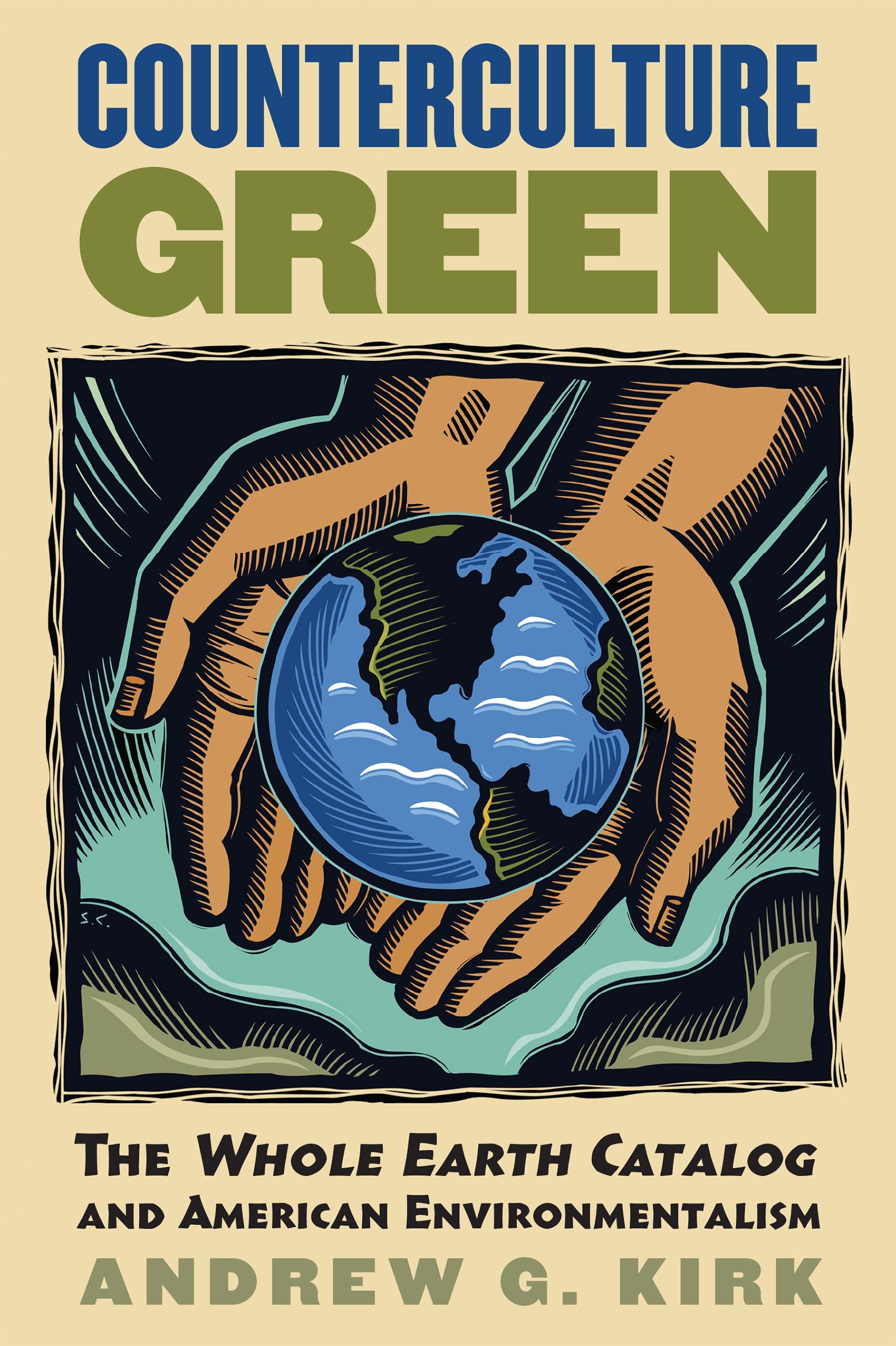
Counterculture Green: The Whole Earth Catalog and American Environmentalism (CultureAmerica),Used
Sold by Ergodebooks, an authorized reseller.
Returns accepted within 30 days | support@ergodebooks.com
Shipping Information
- Free Standard Shipping — United States only
- Processing Time: 3–5 business days
- Estimated Delivery: 6–10 business days after dispatch
- Double-boxed, fully insured & discreetly packaged
- Tracking number sent via email once dispatched
Returns & Refund
Returns accepted within 30 days of delivery.
Damaged or Defective Item
Free return shipping + replacement or full refund
Wrong Item Received
Free return shipping + replacement or full refund
Change of Mind
Return shipping at customer's expense · 25% restocking fee applies
Payment Option

For those who eagerly awaited its periodic appearance, it was more than a publication: it was a way of life. The Whole Earth Catalog billed itself as 'Access to Tools,' and it grew from a Bay Area blip to a national phenomenon catering to hippies, doityourselfers, and anyone interested in selfsufficiency independent of mainstream America.In recovering the history of the Catalog's unique brand of environmentalism, Andrew Kirk recounts how San Francisco's Stewart Brand and his counterculture cohorts in the Point Foundation promoted a philosophy of pragmatic environmentalism that celebrated technological achievement, human ingenuity, and sustainable living. By piecing together the social, cultural, material, environmental, and technological history of that philosophy's incarnation in the Catalog, Kirk reveals the driving forces behind it, tells the story of the appropriate technology movement it espoused, and assesses its fate.This book takes a fresh look at the many individuals and organizations who worked in the 1950s, 1960s, and 1970s to construct this philosophy of pragmatic environmentalism. At a time when many of these ideas were seen as heretical to a predominantly wildernessbased movement, Whole Earth became a critical forum for environmental alternatives and a model for how complicated ecological ideas could be presented in a hopeful and even humorous way. It also enabled later environmental advocates like Al Gore to explain our current 'inconvenient truth,' and the actions of Brand's Point Foundation demonstrated that the epistemology of Whole Earth could be put into action in meaningful ways that might foster an environmental optimism distinctly different from the jeremiads that became the stock in trade of American environmentalism.Kirk shows us that Whole Earth was more than a mere counterculture fad. In an era of political protest, it suggested that staying home and modifying your toilet or installing a solar collector could make a more significant contribution than taking to the streets to shout down establishment misdeeds. Given its visible legacy in the current views of Al Gore and others, the subtle environmental heresies of Whole Earth continue to resonate today, which makes Kirk's lucid and lively tale an extremely timely one as well.
⚠️ WARNING (California Proposition 65):
This product may contain chemicals known to the State of California to cause cancer, birth defects, or other reproductive harm.
For more information, please visit www.P65Warnings.ca.gov.