
Title
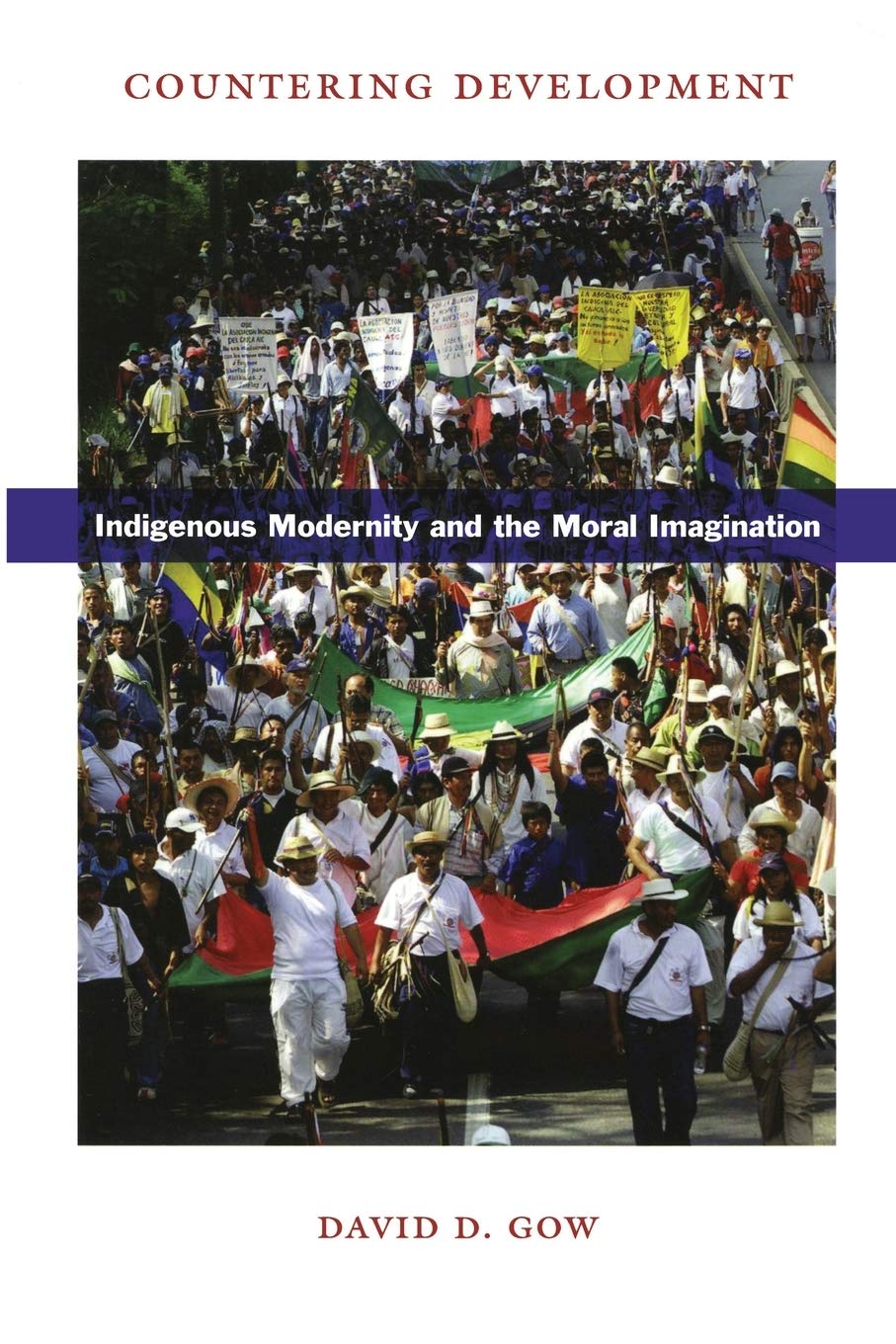
Countering Development: Indigenous Modernity And The Moral Imagination,New
Sold by Ergodebooks, an authorized reseller.
Returns accepted within 30 days | support@ergodebooks.com
Shipping Information
- Free Standard Shipping — United States only
- Processing Time: 3–5 business days
- Estimated Delivery: 6–10 business days after dispatch
- Double-boxed, fully insured & discreetly packaged
- Tracking number sent via email once dispatched
Returns & Refund
Returns accepted within 30 days of delivery.
Damaged or Defective Item
Free return shipping + replacement or full refund
Wrong Item Received
Free return shipping + replacement or full refund
Change of Mind
Return shipping at customer's expense · 25% restocking fee applies
Payment Option

Cauca, located in southwestern Colombia and home to the largest indigenous population in the country, is renowned as a site of indigenous mobilization. In 1994, following a destructive earthquake, many families in Cauca were forced to leave their communities of origin and relocate to other areas within the province where the state provided them with land and housing. Noting that disasters offer communities the opportunity to remake themselves and their priorities, David D. Gow examines how three different communities established after the earthquake wrestled with conflicting visions of development. He shows how they each countered traditional notions of development by moving beyond a myopic obsession with poverty alleviation to demand that Colombia become more inclusive and treat all of its people as citizens with full rights and responsibilities.Through ethnographic fieldwork conducted annually in Cauca from 1995 through 2002, Gow compares the development plans of the three communities, looking at both the planning processes and the plans themselves. In so doing, he demonstrates that there is no single indigenous approach to development and modernity. He describes differences in how each community defined and employed the concept of culture, how they connected a concern with culture to economic and political reconstruction, and how they sought to assert their own priorities while engaging with the existing development resources at their disposal. Ultimately, Gow argues that the moral vision advanced by the indigenous movement, combined with the growing importance attached to human rights, offers a fruitful way to think about development: less as a process of integration into a rigidly defined modernity than as a critical modernity based on a radical politics of inclusive citizenship.
⚠️ WARNING (California Proposition 65):
This product may contain chemicals known to the State of California to cause cancer, birth defects, or other reproductive harm.
For more information, please visit www.P65Warnings.ca.gov.