
Title
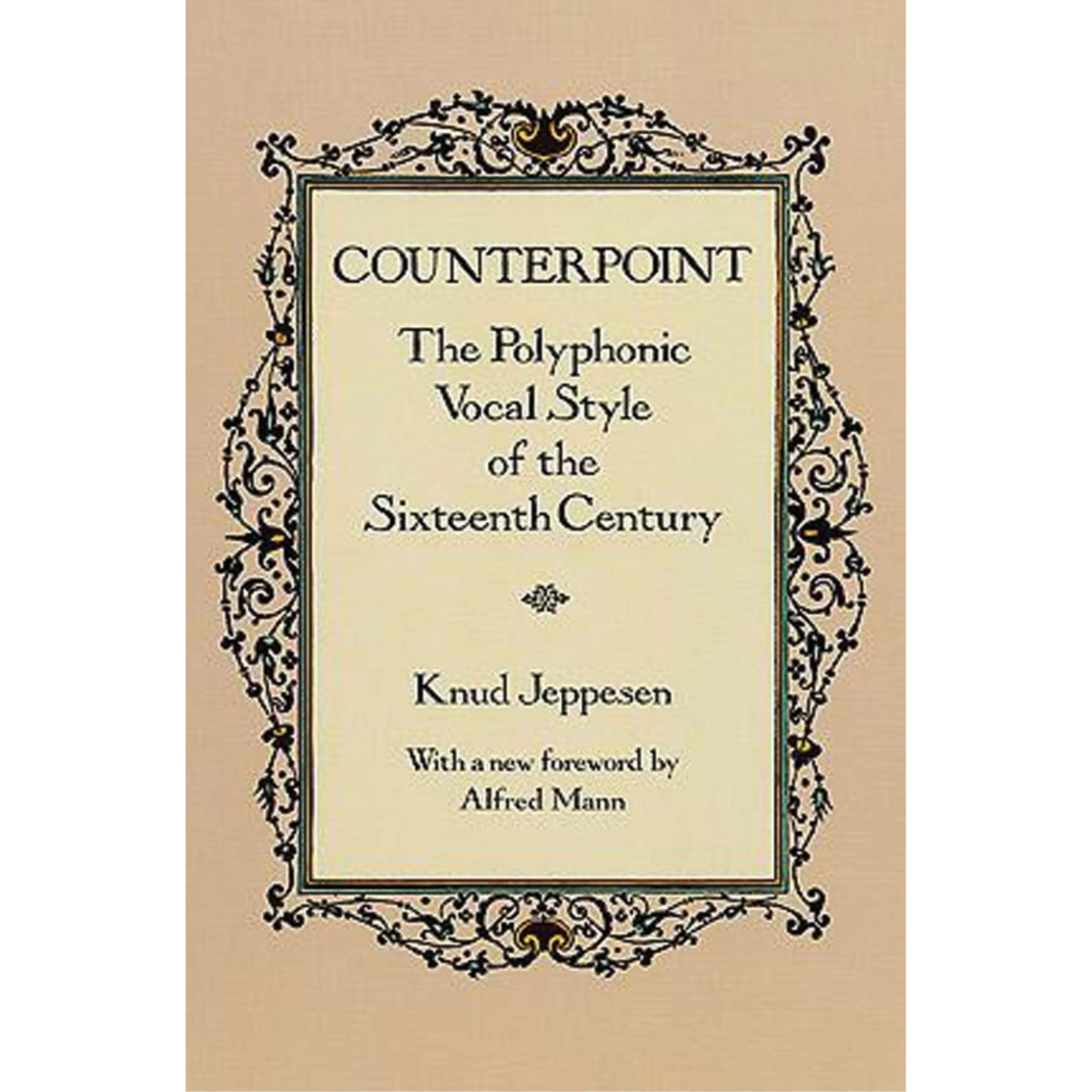
Counterpoint: The Polyphonic Vocal Style Of The Sixteenth Century (Dover Books On Music: Analysis)-used
Sold by Ergodebooks, an authorized reseller.
Returns accepted within 30 days | support@ergodebooks.com
Shipping Information
- Free Standard Shipping — United States only
- Processing Time: 3–5 business days
- Estimated Delivery: 6–10 business days after dispatch
- Double-boxed, fully insured & discreetly packaged
- Tracking number sent via email once dispatched
Returns & Refund
Returns accepted within 30 days of delivery.
Damaged or Defective Item
Free return shipping + replacement or full refund
Wrong Item Received
Free return shipping + replacement or full refund
Change of Mind
Return shipping at customer's expense · 25% restocking fee applies
Payment Option

This Classic Introductory Text Focuses On The Polyphonic Vocal Style Perfected By Palestrina. Unlike Many Other Texts, It Maintains A Careful Balance Between Theoretical And Practical Problems, Between Historical And Systematic Methodology. The Result Is An Exceptionally Useful Resource, Ideal For Classroom Use In Teaching Modal Counterpoint.In Part One, Knud Jeppesen (18921974), The Worldrenowned Musicologist And Leading Authority On Palestrina, Offers A Superb Outline History Of Contrapuntal Theory. He Begins By Exploring The Beginnings Of Contrapuntal Theory From The Ninth To The Fourteenth Centuries. This Is Followed By Separate Discussions Of Each Succeeding Century, The Styles Of Palestrina And Bach, The 'Palestrina Movement' After Fux, And More. The Section Ends With Illuminating Coverage Of Notation, The Ecclesiastical Modes, Melody, And Harmony.The Second Part Of The Book Contains An Extended Treatment Of 'Species' Counterpoint In Two, Three, And Four Parts, As Well As Counterpoint In More Than Four Parts, And Specific Discussions Of The Canon, The Motet, And The Mass. Throughout, The Text Is Generously Supplied With Musical Examplesexercises, Solutions, And Illustrations, Including Many By The Great Composers. For This Edition, The Distinguished Scholar Alfred Mann Has Contributed A New Foreword To Jeppesen'S Classic Study. Now Available In Paperback For The First Time, It Will Be Welcomed By Musicians, Composers, Theorists, Musicologistsany Student Of Counterpoint And The Western Musical Tradition.
⚠️ WARNING (California Proposition 65):
This product may contain chemicals known to the State of California to cause cancer, birth defects, or other reproductive harm.
For more information, please visit www.P65Warnings.ca.gov.
- Q: What are the dimensions of the book? A: The book measures six point fourteen inches in length, zero point sixty-one inches in width, and nine point twenty-one inches in height.
- Q: How many pages does this book have? A: The book contains three hundred twenty pages, making it a comprehensive resource for studying counterpoint.
- Q: What is the binding type of this book? A: This book is available in paperback binding, which is suitable for both reading and classroom use.
- Q: Who is the author of this book? A: The author of the book is Knud Jeppesen, a renowned musicologist known for his work on Palestrina.
- Q: What is the primary focus of the book? A: The primary focus of the book is on the polyphonic vocal style of the sixteenth century, especially as perfected by Palestrina.
- Q: Is this book suitable for beginners in music? A: Yes, this book is suitable for beginners as it provides a balanced introduction to both theoretical and practical aspects of counterpoint.
- Q: Can this book be used for classroom teaching? A: Yes, this book is ideal for classroom use, making it a valuable resource for teaching modal counterpoint.
- Q: What topics are covered in this book? A: The book covers a range of topics including contrapuntal theory, historical perspectives, species counterpoint, and specific forms like the motet and Mass.
- Q: Are there musical examples included in the book? A: Yes, the book includes numerous musical examples, exercises, and illustrations from great composers to enhance understanding.
- Q: Does the book have any additional contributions? A: Yes, this edition features a new foreword by Alfred Mann, adding scholarly context to Jeppesen's classic study.
- Q: What is the reading level of this book? A: The reading level of this book is suitable for students and scholars of music, particularly those studying counterpoint.
- Q: Is this book considered a classic in music literature? A: Yes, this book is regarded as a classic introductory text in music literature on the polyphonic vocal style.
- Q: What genre does this book fall under? A: This book falls under the genre of History & Criticism in music, focusing on theoretical analysis.
- Q: Where is this book published? A: The book is published by Dover Publications, a well-known publisher of music literature.
- Q: What is the significance of the Palestrina Movement mentioned in the book? A: The Palestrina Movement refers to the revival of Palestrina's counterpoint style in the eighteenth century, which is discussed in historical context.
- Q: What if the book arrives damaged or defective? A: If the book arrives damaged or defective, you should contact the seller for return options or a replacement.