
Title
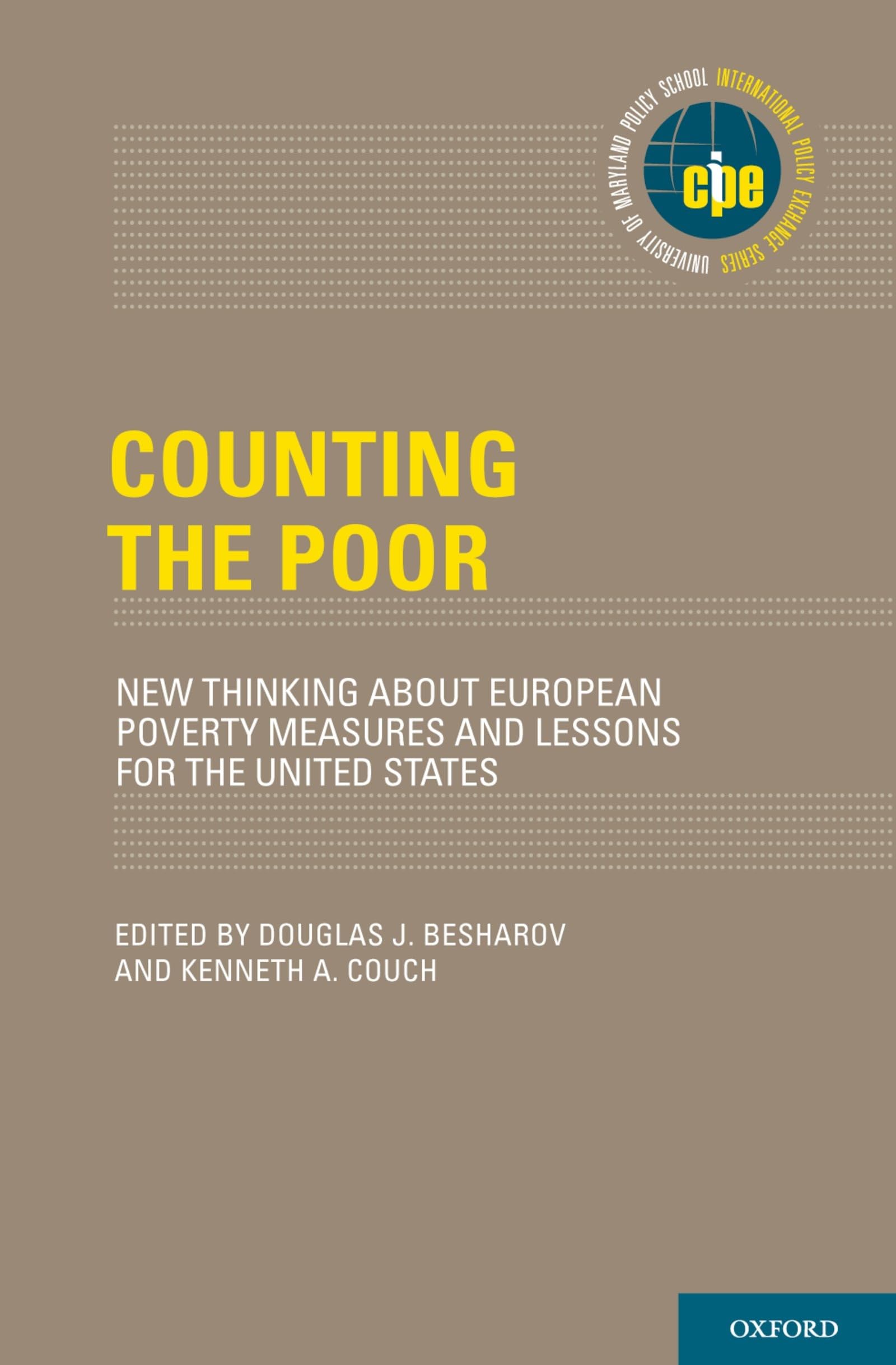
Counting the Poor: New Thinking About European Poverty Measures and Lessons for the United States (International Policy Exchange,Used
Sold by Ergodebooks, an authorized reseller.
Returns accepted within 30 days | support@ergodebooks.com
Shipping Information
- Free Standard Shipping — United States only
- Processing Time: 3–5 business days
- Estimated Delivery: 6–10 business days after dispatch
- Double-boxed, fully insured & discreetly packaged
- Tracking number sent via email once dispatched
Returns & Refund
Returns accepted within 30 days of delivery.
Damaged or Defective Item
Free return shipping + replacement or full refund
Wrong Item Received
Free return shipping + replacement or full refund
Change of Mind
Return shipping at customer's expense · 25% restocking fee applies
Payment Option

The poverty rate is one of the most visible ways in which nations measure the economic wellbeing of their lowincome citizens. To gauge whether a person is poor, European states often focus on a person's relative position in the income distribution to measure poverty while the United States looks at a fixedincome threshold that represents a lower relative standing in the overall distribution to gauge. In Europe, low income is perceived as only one aspect of being socially excluded, so that examining other relative dimensions of family and individual welfare is important. This broad emphasis on relative measures of wellbeing that extend into nonpecuniary aspects of people's lives does not always imply that more people would ultimately be counted as poor. This is particularly true if one must be considered poor in multiple dimensions to be considered poor, in sharp contrast to the American emphasis on income as the sole dimension.With contributions from the world's foremost authorities on income and social measurement, the book provides detailed discussions of specific issues from a European perspective followed by commentary from American observers. The volume considers (1) current standards of poverty measurement in the European Union and the Organization for Economic Cooperation and Development, (2) challenges in extending those measures to account for the value of the provision of inkind and cash benefits from the government, (3) the interaction of poverty measures with social assistance, (4) nonincome but monetary measures of poverty, and (5) multidimensional measures of poverty. The result is a definitive reference for poverty researchers and policymakers seeking to disengage politics from measurement.
⚠️ WARNING (California Proposition 65):
This product may contain chemicals known to the State of California to cause cancer, birth defects, or other reproductive harm.
For more information, please visit www.P65Warnings.ca.gov.