
Title

Cowboys And Cave Dwellers: Basketmaker Archaeology Of Utah'S Grand Gulch,Used
Sold by Ergodebooks, an authorized reseller.
Returns accepted within 30 days | support@ergodebooks.com
Shipping Information
- Free Standard Shipping — United States only
- Processing Time: 3–5 business days
- Estimated Delivery: 6–10 business days after dispatch
- Double-boxed, fully insured & discreetly packaged
- Tracking number sent via email once dispatched
Returns & Refund
Returns accepted within 30 days of delivery.
Damaged or Defective Item
Free return shipping + replacement or full refund
Wrong Item Received
Free return shipping + replacement or full refund
Change of Mind
Return shipping at customer's expense · 25% restocking fee applies
Payment Option

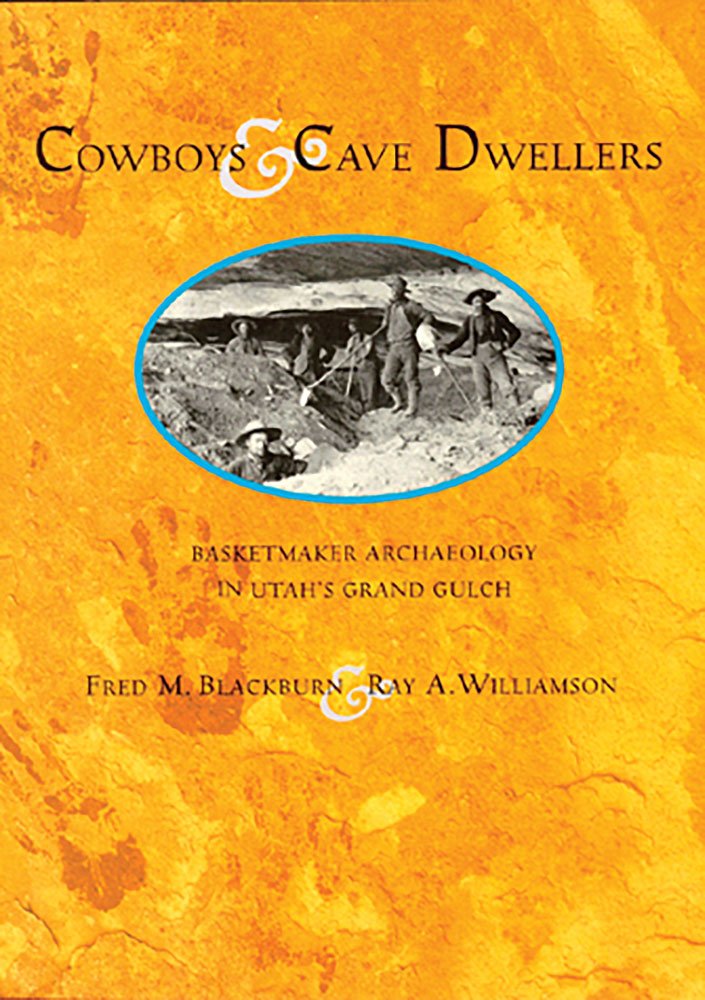
The Tortuous Canyon Country Of Southeastern Utah Conceals Thousands Of Archaeological Sites, Ancient Homes Of The Ancestors Of Today'S Southwest Indian Peoples. Late In The Nineteenth Century, Adventurous Cowboyarchaeologists Made The First Forays Into The Canyons In Search Of The Material Remains Of These Prehistoric Cultures. Rancher Richard Wetherill (Best Known As The 'Discoverer' Of Mesa Verde'S Cliff Palace) And His Brothers; Entrepreneurs Charles Mcloyd And Charles Cary Graham; And Numerous Other Adventurers, Scholars, Preachers, And Businessmen Mounted Expeditions Into The Area Now Known As Grand Gulch.With Varying Degrees Of Scientific Rigor, They Mapped And Dug The Canyon'S Rich Archaeological Sites, Removing Large Numbers Of Artifacts And Burial Goods To Exhibit Or Sell Back Homewhether 'Home' Was Durango, Chicago, New York, Or Helsinki. During A Trip In The Winter Of 189394, Richard Wetherill Unearthed Convincing Proof That A Previously Unrecognized Group Of People Had Lived In Grand Gulch Before The Socalled Anasazi, Or Cliff Dwellers. Wetherill Named These People The 'Basket Makers' And Inaugurated A New Era Of Understanding Of The Region'S Prehistoric Past.Almost One Hundred Years Later, The Modernday Adventure That Became Known As The Wetherillgrand Gulch Research Project Began. Intrigued By The Poorly Documented History Of The Gulch, A Group Of Avocational Archaeologists Launched A Grassroots Effort To Recover That History And Locate The Many Artifacts That Had Been Extracted From Southeastern Utah'S Arid Soil. The Gulch, They Found, Contained Its Own Invaluable Clues In The Form Of Dated Signatures Left On Canyon Walls By The Wetherills And Others As They Made Their Way From Site To Site. An Effort To Track The Original Explorers In The Gulch Ultimately Led The Team To Chicago'S Field Museum And The American Museum Of Natural History In New York.In This Book, Fred M. Blackburn And Ray A. Williamson Tell The Two Intertwined Stories Of The Early Archaeological Expeditions Into Grand Gulch And The Wetherillgrand Gulch Research Project. In The Process, They Describe What We Now Know About Basketmaker Culture And Present A Stirring Plea For The Preservation Of Our Nation'S Priceless Archaeological Heritage. Lavishly Illustrated With Color And Blackandwhite Photographs.
⚠️ WARNING (California Proposition 65):
This product may contain chemicals known to the State of California to cause cancer, birth defects, or other reproductive harm.
For more information, please visit www.P65Warnings.ca.gov.
- Q: What is the size of the book? A: The book measures eight inches in length, zero point five one inches in width, and eleven inches in height.
- Q: How many pages does this book have? A: The book contains two hundred pages, providing a comprehensive exploration of Basketmaker archaeology.
- Q: What type of binding does this book have? A: This book is published in paperback binding, making it lightweight and easy to handle.
- Q: Who is the author of this book? A: The book is authored by Fred M. Blackburn and Ray A. Williamson, both knowledgeable in archaeology.
- Q: What type of archaeology does this book focus on? A: This book focuses on Basketmaker archaeology, particularly in Utah's Grand Gulch region.
- Q: How do I read and understand this book? A: You can read this book as a narrative of archaeological expeditions, suitable for both casual readers and scholars.
- Q: Is this book appropriate for children? A: Yes, this book is suitable for children who are interested in archaeology and Native American history.
- Q: What themes are explored in this book? A: The book explores themes of archaeological discovery, preservation of heritage, and the history of ancient cultures.
- Q: Is there any specific audience for this book? A: This book is ideal for students, educators, and anyone interested in Native American archaeology.
- Q: How can I keep this book in good condition? A: Store the book in a cool, dry place and avoid exposure to direct sunlight to maintain its condition.
- Q: What should I do if the book is damaged upon arrival? A: If the book arrives damaged, you should contact the seller for return or exchange options.
- Q: Is there a warranty for this book? A: Books generally do not come with a warranty, but you can check the return policy with the seller.
- Q: What if I have trouble understanding the content? A: You can consult additional resources or seek online discussions to gain a better understanding of the content.
- Q: Are there illustrations in the book? A: Yes, the book is lavishly illustrated with both color and black-and-white photographs.
- Q: How often should I take care of this book? A: Regularly check the book for any signs of wear and handle it carefully to ensure its longevity.