If you have any questions, you are always welcome to contact us. We'll get back to you as soon as possible, withing 24 hours on weekdays.
Customer service
All questions about your order, return and delivery must be sent to our customer service team by e-mail at yourstore@yourdomain.com
Sale & Press
If you are interested in selling our products, need more information about our brand or wish to make a collaboration, please contact us at press@yourdomain.com
Help
If you have any questions, you are always welcome to contact us. We'll get back to you as soon as possible, withing 24 hours on weekdays.
Customer service
All questions about your order, return and delivery must be sent to our customer service team by e-mail at yourstore@yourdomain.com
Sale & Press
If you are interested in selling our products, need more information about our brand or wish to make a collaboration, please contact us at press@yourdomain.com
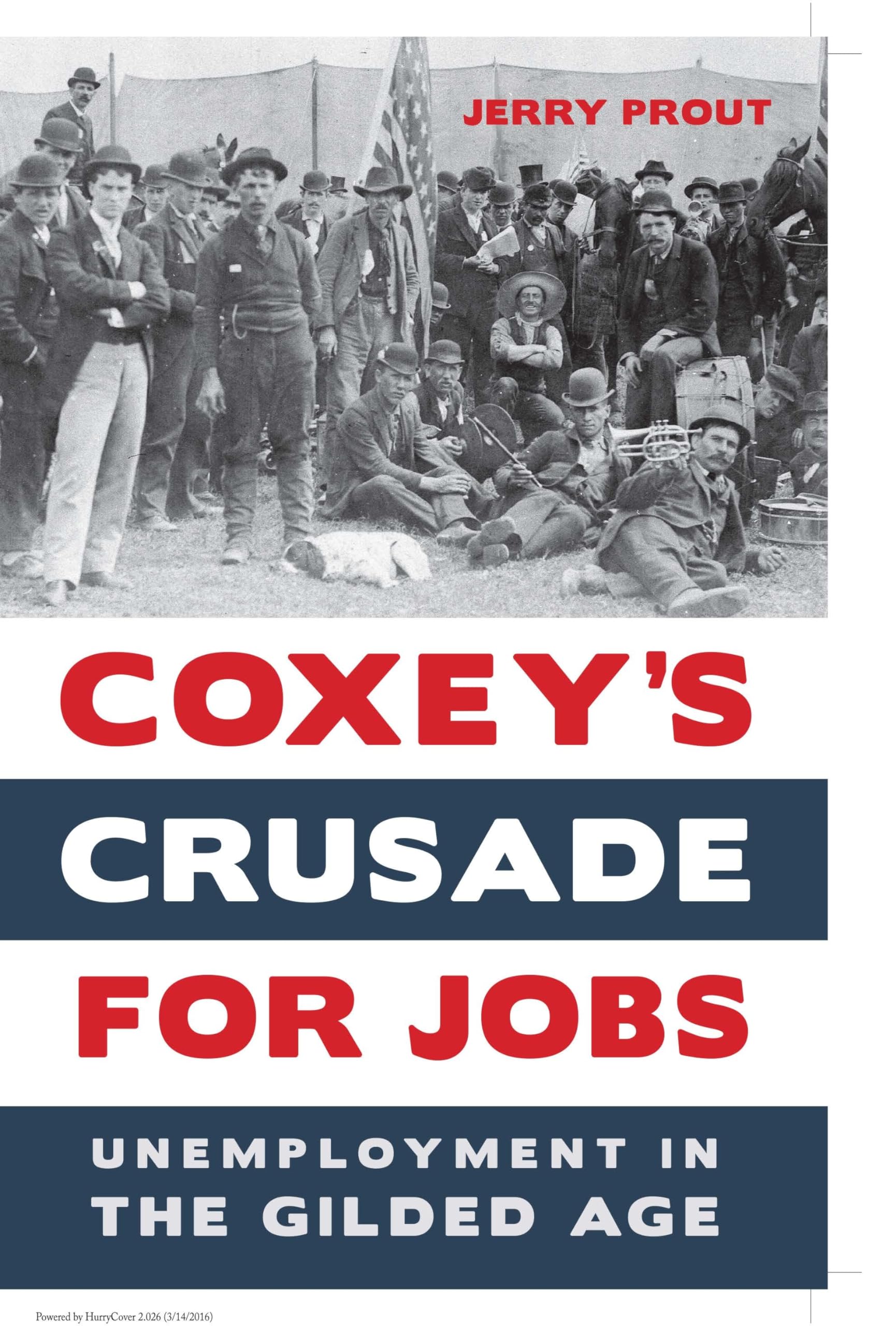
In the depths of a depression in 1894, a highly successful Gilded Age businessman named Jacob Coxey led a group of jobless men on a march from his hometown of Massillon, Ohio, to the steps of the nation's Capitol. Though a financial panic and the resulting widespread business failures caused millions of Americans to be without work at the time, the word unemployment was rarely used and generally misunderstood.In an era that worshipped the selfreliant individual who triumphed in a laissezfaire market, the outofwork "tramp" was disparaged as weak or flawed, and undeserving of assistance. Private charities were unable to meet the needs of the jobless, and only a few communities experimented with public works programs. Despite these limitations, Coxey conceived a plan to put millions back to work building a nationwide system of roads and drew attention to his idea with the march to Washington. In Coxey's Crusade for Jobs, Jerry Prout recounts Coxey's story and adds depth and context by focusing on the reporters who were embedded in the march. Their fascinating depictions of life on the road occupied the headlines and front pages of America's newspapers for more than a month, turning the spectacle into a serialized drama. These accounts humanized the idea of unemployment and helped Americans realize that in a new industrial economy, unemployment was not going away and the unemployed deserved attention. This unique study will appeal to scholars and students interested in the Gilded Age and US and labor history.
⚠️ WARNING (California Proposition 65):
This product may contain chemicals known to the State of California to cause cancer,
birth defects, or other reproductive harm.
For MAP (Minimum Advertised Price) violations and Intellectual Property (IP) or Trademark concerns, please contact:
support@ergodebooks.com
⚠️ California Proposition 65 Warning: Some products sold on this website may expose you to chemicals known to the State of California to cause cancer, birth defects, or other reproductive harm. For more information, visit www.P65Warnings.ca.gov.