
Title
Creditworthy: A History of Consumer Surveillance and Financial Identity in America (Columbia Studies in the History of U.S. Capi,Used
Sold by Ergodebooks, an authorized reseller.
Returns accepted within 30 days | support@ergodebooks.com
Shipping Information
- Free Standard Shipping — United States only
- Processing Time: 3–5 business days
- Estimated Delivery: 6–10 business days after dispatch
- Double-boxed, fully insured & discreetly packaged
- Tracking number sent via email once dispatched
Returns & Refund
Returns accepted within 30 days of delivery.
Damaged or Defective Item
Free return shipping + replacement or full refund
Wrong Item Received
Free return shipping + replacement or full refund
Change of Mind
Return shipping at customer's expense · 25% restocking fee applies
Payment Option

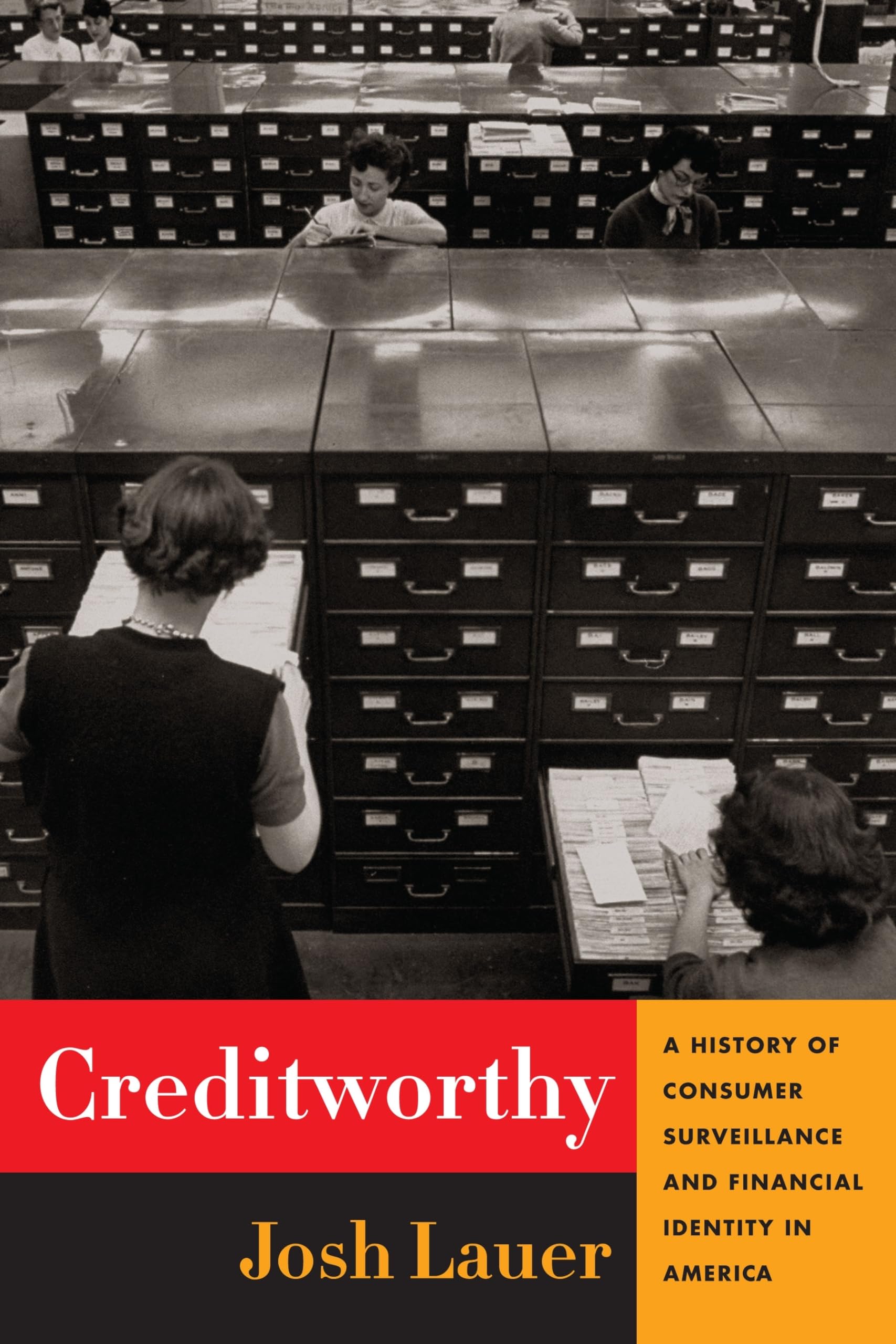
The first consumer credit bureaus appeared in the 1870s and quickly amassed huge archives of deeply personal information. Today, the three leading credit bureaus are among the most powerful institutions in modern lifeyet we know almost nothing about them. Experian, Equifax, and TransUnion are multibilliondollar corporations that track our movements, spending behavior, and financial status. This data is used to predict our riskiness as borrowers and to judge our trustworthiness and value in a broad array of contexts, from insurance and marketing to employment and housing.In Creditworthy, the first comprehensive history of this crucial American institution, Josh Lauer explores the evolution of credit reporting from its nineteenthcentury origins to the rise of the modern consumer data industry. By revealing the sophistication of early credit reporting networks, Creditworthy highlights the leading role that commercial surveillance has playedahead of state surveillance systemsin monitoring the economic lives of Americans. Lauer charts how credit reporting grew from an industry that relied on personal knowledge of consumers to one that employs sophisticated algorithms to determine a person's trustworthiness. Ultimately, Lauer argues that by converting individual reputations into brief written reportsand, later, credit ratings and credit scorescredit bureaus did something more profound: they invented the modern concept of financial identity. Creditworthy reminds us that creditworthiness is never just about economic 'facts.' It is fundamentally concerned withand determinesour social standing as an honest, reliable, profitgenerating person.
⚠️ WARNING (California Proposition 65):
This product may contain chemicals known to the State of California to cause cancer, birth defects, or other reproductive harm.
For more information, please visit www.P65Warnings.ca.gov.