
Title
Crisis And Capitalism In Contemporary Argentine Cinema,New
Sold by Ergodebooks, an authorized reseller.
Returns accepted within 30 days | support@ergodebooks.com
Shipping Information
- Free Standard Shipping — United States only
- Processing Time: 3–5 business days
- Estimated Delivery: 6–10 business days after dispatch
- Double-boxed, fully insured & discreetly packaged
- Tracking number sent via email once dispatched
Returns & Refund
Returns accepted within 30 days of delivery.
Damaged or Defective Item
Free return shipping + replacement or full refund
Wrong Item Received
Free return shipping + replacement or full refund
Change of Mind
Return shipping at customer's expense · 25% restocking fee applies
Payment Option

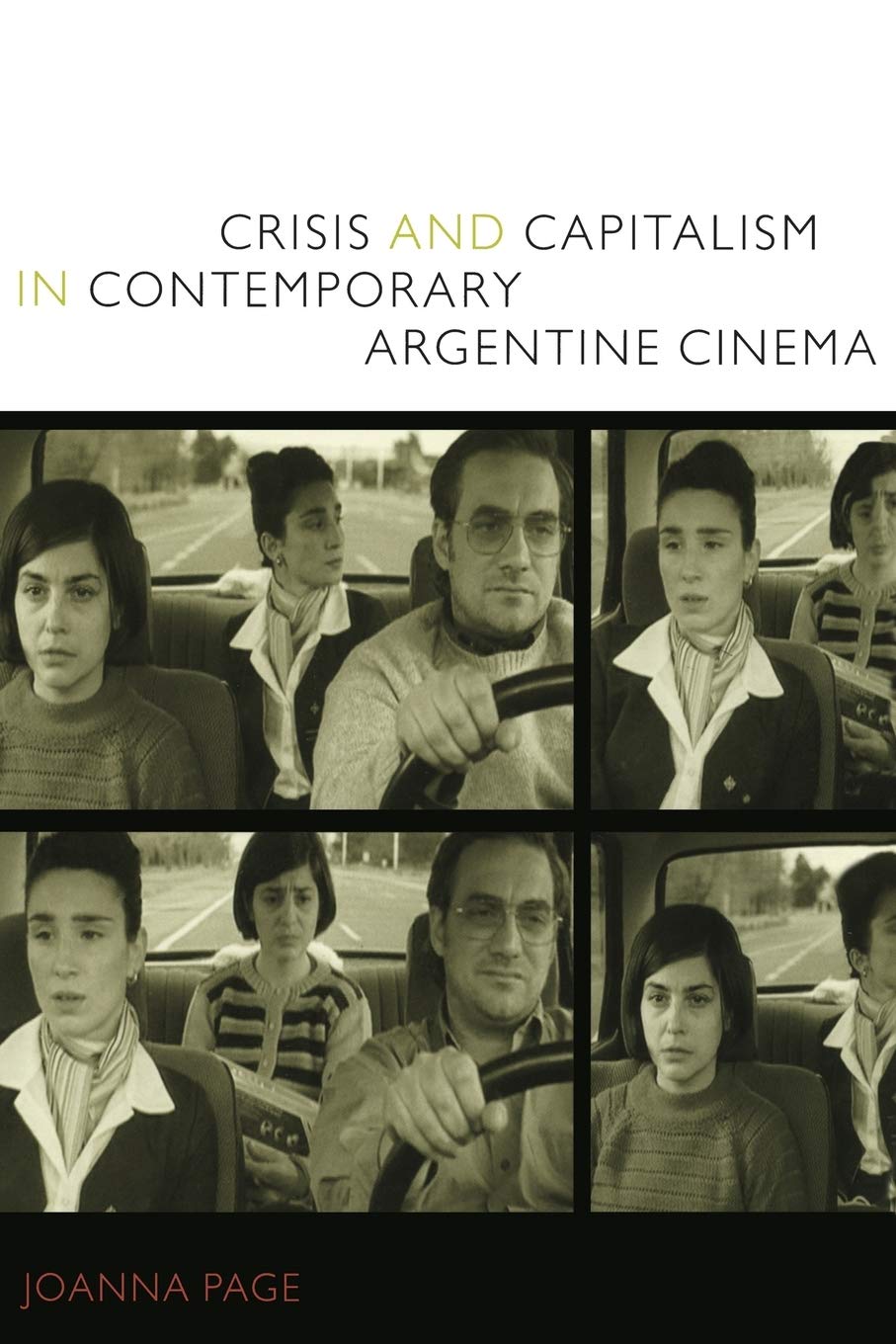
There has been a significant surge in recent Argentine cinema, with an explosion in the number of films made in the country since the mid1990s. Many of these productions have been highly acclaimed by critics in Argentina and elsewhere. What makes this boom all the more extraordinary is its coinciding with a period of severe economic crisis and civil unrest in the nation. Offering the first indepth Englishlanguage study of Argentine fiction films of the late twentieth century and early twentyfirst, Joanna Page explains how these productions have registered Argentinas experience of capitalism, neoliberalism, and economic crisis. In different ways, the films selected for discussion testify to the social consequences of growing unemployment, rising crime, marginalization, and the expansion of the informal economy.Page focuses particularly on films associated with New Argentine Cinema, but she also discusses highly experimental films and genre movies that borrow from the conventions of crime thrillers, Westerns, and film noir. She analyzes films that have received wide international recognition alongside others that have rarely been shown outside Argentina. What unites all the films she examines is their attention to shifts in subjectivity provoked by political or economic conditions and events. Page emphasizes the paradoxes arising from the circulation of Argentine films within the same global economy they so often critique, and she argues that while Argentine cinema has been intent on narrating the collapse of the nationstate, it has also contributed to the nations reconstruction. She brings the films into dialogue with a broader range of issues in contemporary film criticism, including the role of national and transnational film studies, theories of subjectivity and spectatorship, and the relationship between private and public spheres.
⚠️ WARNING (California Proposition 65):
This product may contain chemicals known to the State of California to cause cancer, birth defects, or other reproductive harm.
For more information, please visit www.P65Warnings.ca.gov.