
Title
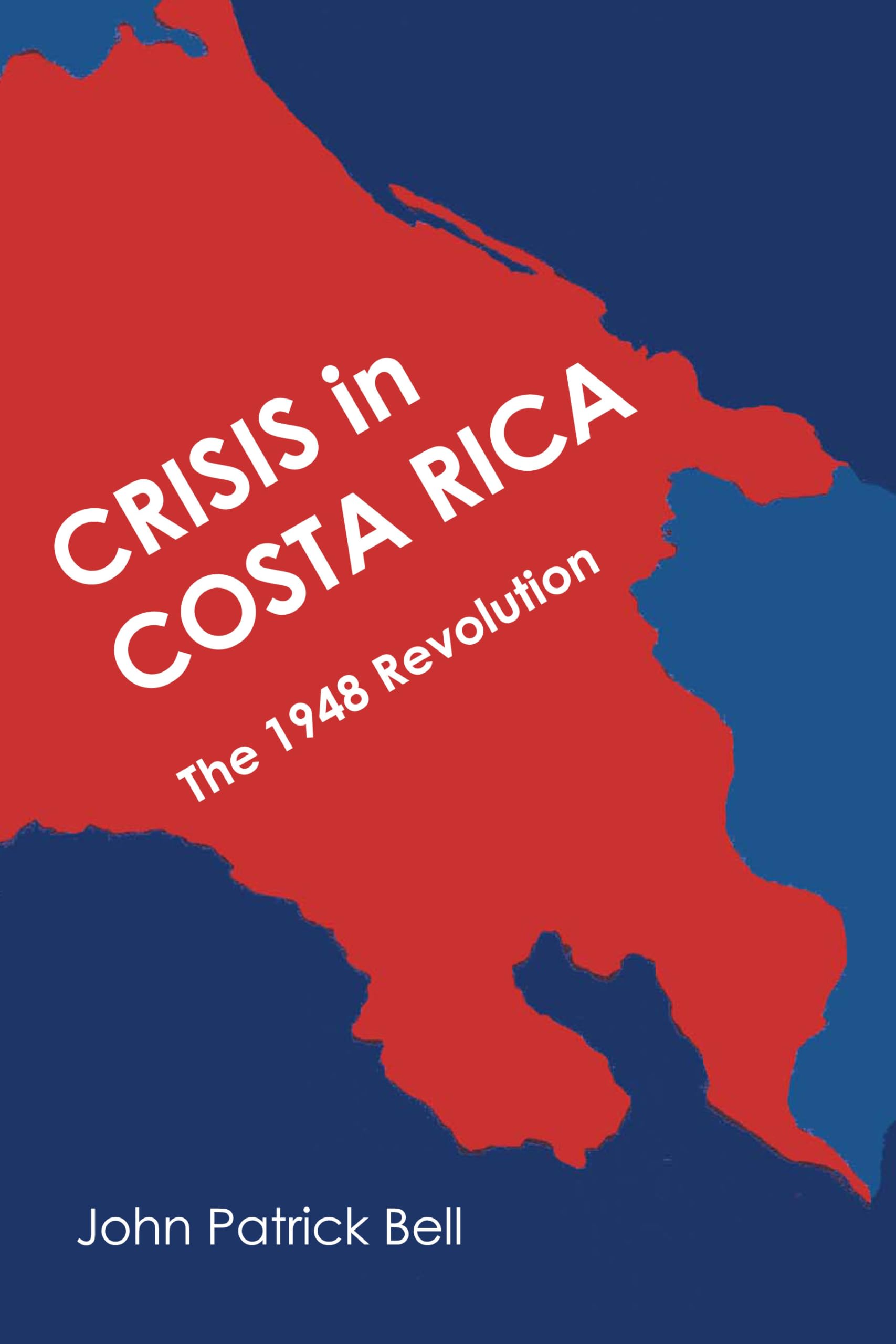
Crisis in Costa Rica: The 1948 Revolution (LLILAS Latin American Monograph Series),Used
Sold by Ergodebooks, an authorized reseller.
Returns accepted within 30 days | support@ergodebooks.com
Shipping Information
- Free Standard Shipping — United States only
- Processing Time: 3–5 business days
- Estimated Delivery: 6–10 business days after dispatch
- Double-boxed, fully insured & discreetly packaged
- Tracking number sent via email once dispatched
Returns & Refund
Returns accepted within 30 days of delivery.
Damaged or Defective Item
Free return shipping + replacement or full refund
Wrong Item Received
Free return shipping + replacement or full refund
Change of Mind
Return shipping at customer's expense · 25% restocking fee applies
Payment Option

The Costa Rican revolution of 1948 capped an extended period of social tension and political unrest. This book analyzes the circumstances of 19401948 that led to a successful armed uprising. A secondary and related theme is the role of Jos Figueres Ferrer in marshaling disparate groups into a movement sufficiently cohesive to seize and hold power.In the 1940s the Communists, the Social Democrats (forerunners of the National Liberation Party), and the followers of Rafael Angel Caldern Guardia within the traditional National Republican party competed to lead the middle sectors demand for modernization. Most accounts of this period have presented the Caldern regime as aristocratic or oligarchic in nature, yet as linked to an international Communist movement.John Patrick Bell, supporting his argument with considerable detail and documentation from newspapers and private papers, argues that Caldern came to depend upon his alliance with the Communistoriented Vanguardia Popular to counteract the defection of the right wing of the National Republican party and that the sources of the Vanguardia Popular were basically indigenous. The calderonistas comprehensive program for social and economic reform had elicited strong conservative reaction, and this opposition was ready to push the charge of communism against Caldern.Costa Rica thus entered a period of violent political confrontation that culminated in the electoral victory of the conservative candidate, Otilio Ulate Blanco, in February 1948. When the calderonista majority in Congress annulled the election, Jos Figueres Ferrer launched a successful uprising purportedly to force ratification of Ulates election. In reality, however, Figueres had been planning a revolt for nearly six years to redirect modernization along social democratic lines.Figueres and his group, seeking even more radical reforms than the calderonistas, were able to use the opposition movement to their advantage, simply because they were prepared, even with force, when the right moment arrived. The National Liberation Movement, led to power by Figueres, dominated the national political development of Costa Rica for decades afterward.Eschewing a strictly chronological framework, Bell has utilized a topical structure that facilitates a full description of shifts in foreign policy in the United States and Latin America that affected the outcome of the struggle in Costa Rica.
⚠️ WARNING (California Proposition 65):
This product may contain chemicals known to the State of California to cause cancer, birth defects, or other reproductive harm.
For more information, please visit www.P65Warnings.ca.gov.