If you have any questions, you are always welcome to contact us. We'll get back to you as soon as possible, withing 24 hours on weekdays.
Customer service
All questions about your order, return and delivery must be sent to our customer service team by e-mail at yourstore@yourdomain.com
Sale & Press
If you are interested in selling our products, need more information about our brand or wish to make a collaboration, please contact us at press@yourdomain.com
Help
If you have any questions, you are always welcome to contact us. We'll get back to you as soon as possible, withing 24 hours on weekdays.
Customer service
All questions about your order, return and delivery must be sent to our customer service team by e-mail at yourstore@yourdomain.com
Sale & Press
If you are interested in selling our products, need more information about our brand or wish to make a collaboration, please contact us at press@yourdomain.com
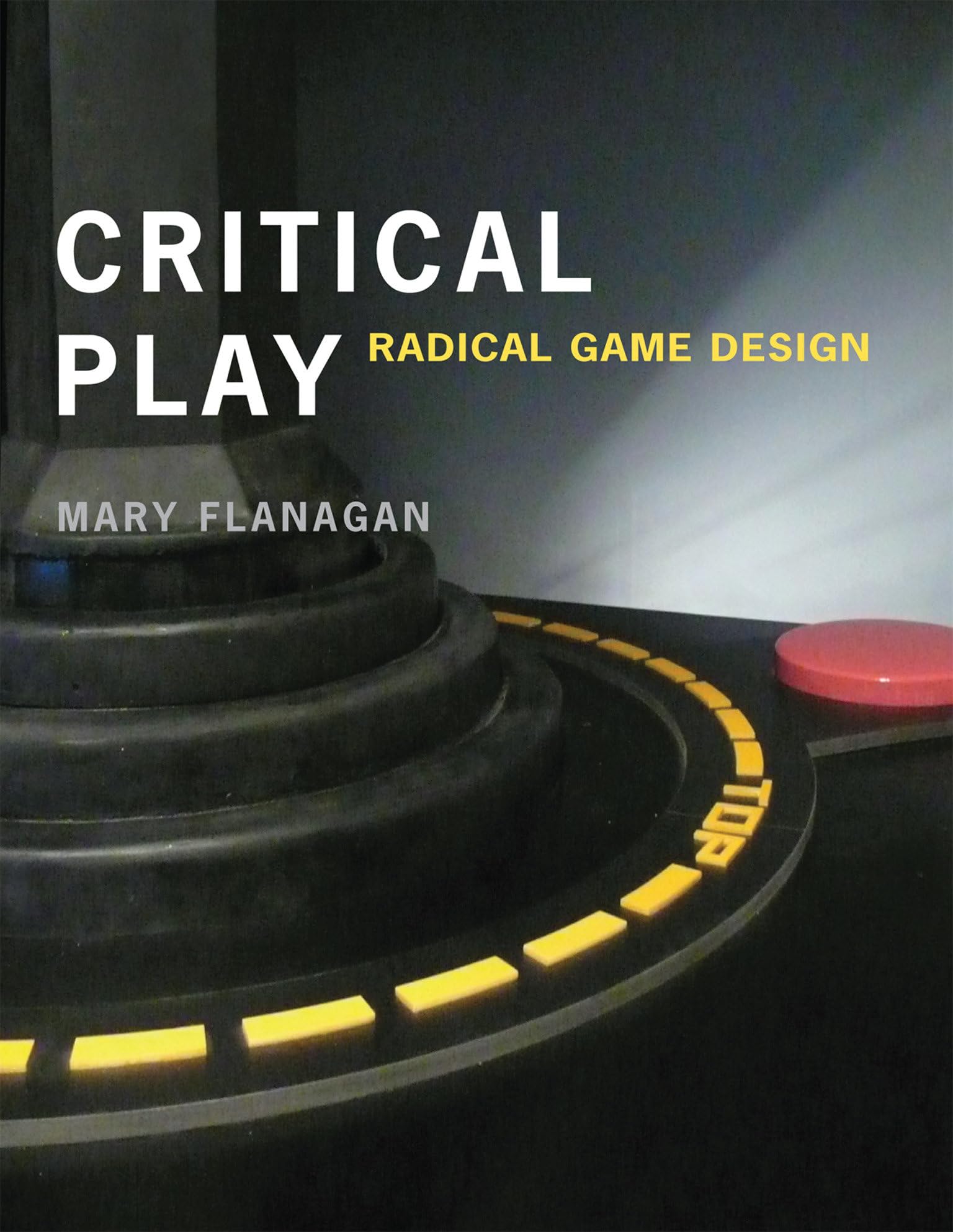
An examination of subversive games like The Simsgames designed for political, aesthetic, and social critique.For many players, games are entertainment, diversion, relaxation, fantasy. But what if certain games were something more than this, providing not only outlets for entertainment but a means for creative expression, instruments for conceptual thinking, or tools for social change? In Critical Play, artist and game designer Mary Flanagan examines alternative gamesgames that challenge the accepted norms embedded within the gaming industryand argues that games designed by artists and activists are reshaping everyday game culture.Flanagan provides a lively historical context for critical play through twentiethcentury art movements, connecting subversive game design to subversive art: her examples of playing house include Dadaist puppet shows and The Sims. She looks at artists alternative computerbased games and explores games for change, considering the way activist concernsincluding worldwide poverty and AIDScan be incorporated into game design.Arguing that this kind of conscious practicewhich now constitutes the avantgarde of the computer game mediumcan inspire new working methods for designers, Flanagan offers a model for designing that will encourage the subversion of popular gaming tropes through new styles of game making, and proposes a theory of alternate game design that focuses on the reworking of contemporary popular game practices.
⚠️ WARNING (California Proposition 65):
This product may contain chemicals known to the State of California to cause cancer,
birth defects, or other reproductive harm.
For MAP (Minimum Advertised Price) violations and Intellectual Property (IP) or Trademark concerns, please contact:
support@ergodebooks.com
⚠️ California Proposition 65 Warning: Some products sold on this website may expose you to chemicals known to the State of California to cause cancer, birth defects, or other reproductive harm. For more information, visit www.P65Warnings.ca.gov.