
Title
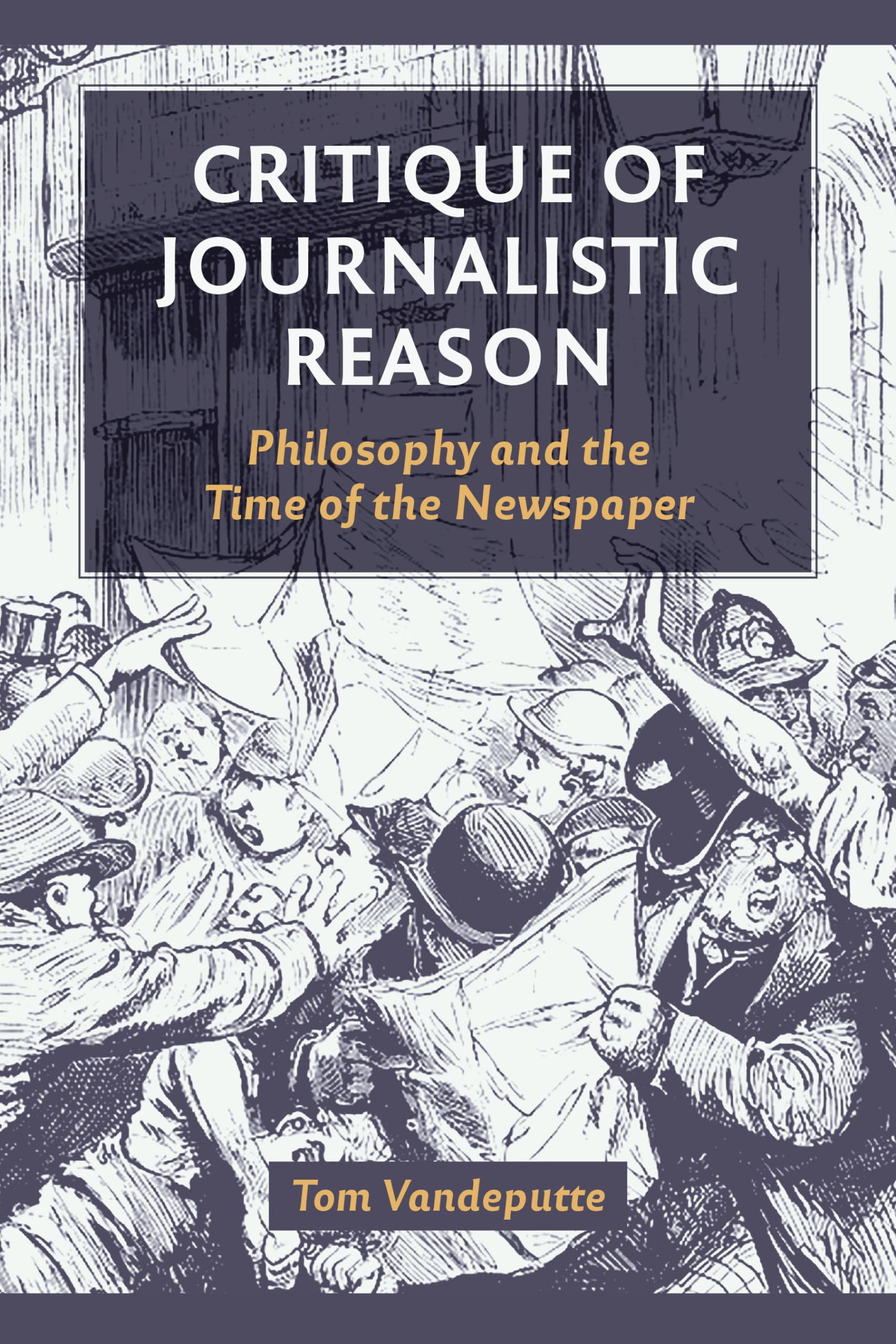
Critique of Journalistic Reason: Philosophy and the Time of the Newspaper,Used
Sold by Ergodebooks, an authorized reseller.
Returns accepted within 30 days | support@ergodebooks.com
Shipping Information
- Free Standard Shipping — United States only
- Processing Time: 3–5 business days
- Estimated Delivery: 6–10 business days after dispatch
- Double-boxed, fully insured & discreetly packaged
- Tracking number sent via email once dispatched
Returns & Refund
Returns accepted within 30 days of delivery.
Damaged or Defective Item
Free return shipping + replacement or full refund
Wrong Item Received
Free return shipping + replacement or full refund
Change of Mind
Return shipping at customer's expense · 25% restocking fee applies
Payment Option

An encounter between philosophy and journalism recurs across the modern philosophical tradition. Images of reporters and newspaper readers, messengers and town criers, announcements and rumors populate the work of such thinkers as Kierkegaard, Nietzsche, and Benjamin. This book argues that these three thinkers preoccupation with journalism cannot be separated from their philosophy proper but plays a pivotal role in their philosophical work, where it marks an important nexus between their theories of history, time, and language.Journalism, in the tradition Vandeputte brings to light, figures before anything else as a cipher of the time in which philosophy is written. If the journalist and newspaper reader characterize what Kierkegaard calls the present age, that is because they exemplify a present marked by the crisis of the philosophy of historya time after the demise of history as a philosophizable concept. In different ways, the pages of the newspaper appear in the European philosophical tradition as a site where teleological and totalizing representations of history must founder, together with the conceptions of progress and development that sustain them.But journalism does not simply mark the end of philosophy; for Kierkegaard, Nietzsche, and Benjamin, journalistic writing also takes on an exemplary role in the attempt to think time and history in the wake of this demise. The concepts around which these attempts crystallizeKierkegaards instant, Nietzsches untimeliness, and Benjamins actualityall emerge from the philosophical confrontation with journalism and its characteristic temporalities.
⚠️ WARNING (California Proposition 65):
This product may contain chemicals known to the State of California to cause cancer, birth defects, or other reproductive harm.
For more information, please visit www.P65Warnings.ca.gov.