
Title
Csar Chvez, The Catholic Bishops, And The Farmworkers Struggle For Social Justice,Used
Sold by Ergodebooks, an authorized reseller.
Returns accepted within 30 days | support@ergodebooks.com
Shipping Information
- Free Standard Shipping — United States only
- Processing Time: 3–5 business days
- Estimated Delivery: 6–10 business days after dispatch
- Double-boxed, fully insured & discreetly packaged
- Tracking number sent via email once dispatched
Returns & Refund
Returns accepted within 30 days of delivery.
Damaged or Defective Item
Free return shipping + replacement or full refund
Wrong Item Received
Free return shipping + replacement or full refund
Change of Mind
Return shipping at customer's expense · 25% restocking fee applies
Payment Option

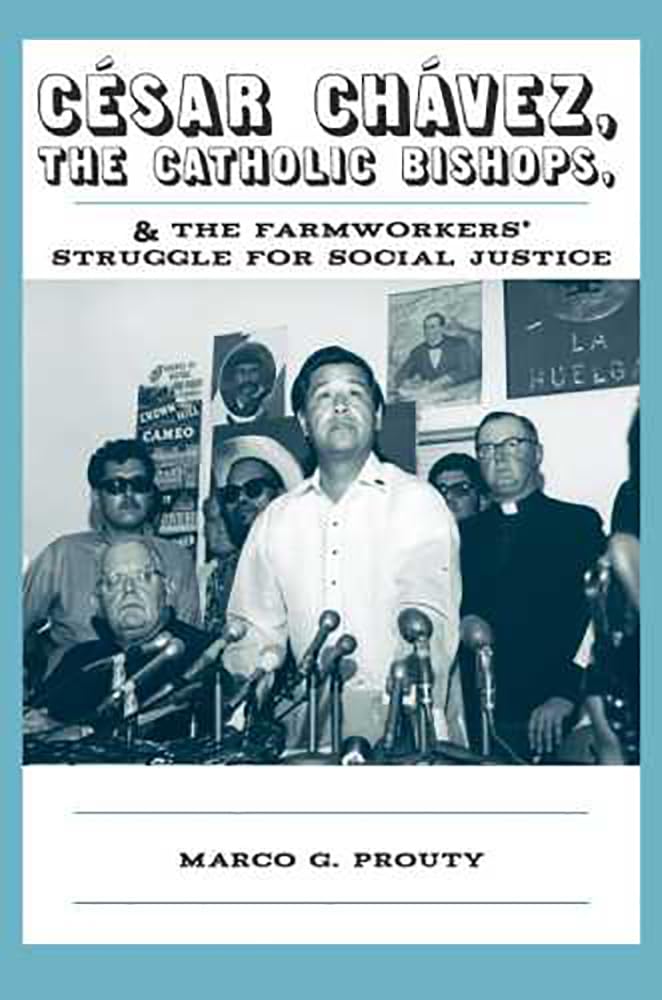
Csar Chvez and the farmworkers struggle for justice polarized the Catholic community in Californias Central Valley during the 19651970 Delano Grape Strike. Because most farmworkers and landowners were Catholic, the American Catholic Church was placed in the challenging position of choosing sides in an intrafaith conflict. Twice Chvez petitioned the Catholic Church for help. Finally, in 1969 the American Catholic hierarchy responded by creating the Bishops Ad Hoc Committee on Farm Labor. This committee of five bishops and two priests traveled Californias Central Valley and mediated a settlement in the fiveyear conflict. Within months, a new and more difficult struggle began in Californias lettuce fields. This time the Catholic Church drew on its longstanding tradition of social teaching and shifted its policy from neutrality to outright support for Csar Chvez and his union, the United Farmworkers (UFW). The Bishops Committee became so instrumental in the UFWs success that Chvez declared its intervention the single most important thing that has helped us. Drawing upon rich, untapped archival sources at the United States Conference of Catholic Bishops, Marco Prouty exposes the American Catholic hierarchys internal, and often confidential, deliberations during the California farm labor crisis of the 1960s and 1970s. He traces the Churchs gradual transition from reluctant mediator to outright supporter of Chvez, providing an intimate view of the Churchs decisionmaking process and Chvezs steadfast struggle to win rights for farmworkers. This lucid, solidly researched text will be an invaluable addition to the fields of labor history, social justice, ethnic studies, and religious history.
⚠️ WARNING (California Proposition 65):
This product may contain chemicals known to the State of California to cause cancer, birth defects, or other reproductive harm.
For more information, please visit www.P65Warnings.ca.gov.