If you have any questions, you are always welcome to contact us. We'll get back to you as soon as possible, withing 24 hours on weekdays.
Customer service
All questions about your order, return and delivery must be sent to our customer service team by e-mail at yourstore@yourdomain.com
Sale & Press
If you are interested in selling our products, need more information about our brand or wish to make a collaboration, please contact us at press@yourdomain.com
Help
If you have any questions, you are always welcome to contact us. We'll get back to you as soon as possible, withing 24 hours on weekdays.
Customer service
All questions about your order, return and delivery must be sent to our customer service team by e-mail at yourstore@yourdomain.com
Sale & Press
If you are interested in selling our products, need more information about our brand or wish to make a collaboration, please contact us at press@yourdomain.com
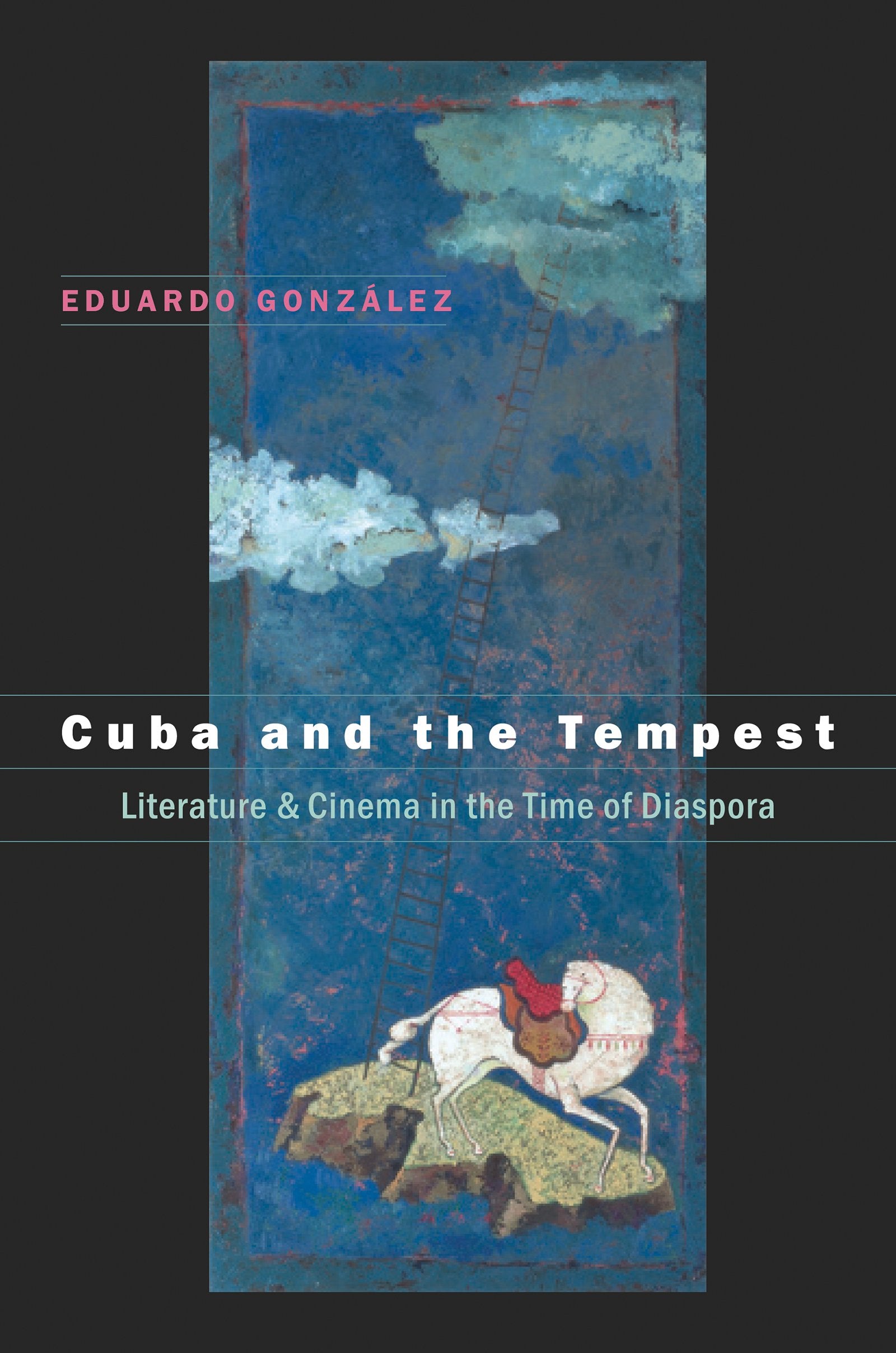
In a unique analysis of Cuban literature inside and outside the country's borders, Eduardo Gonzalez looks closely at the work of three of the most important contemporary Cuban authors to write in the post1959 diaspora: Guillermo Cabrera Infante (19292005), who left Cuba for good in 1965 and established himself in London; Antonio BenitezRojo (19312005), who settled in the United States; and Leonardo Padura Fuentes (b. 1955), who still lives and writes in Cuba.Through the positive experiences of exile and wandering that appear in their work, these three writers exhibit what Gonzalez calls 'Romantic authorship,' a deep connection to the Romantic spirit of irony and complex sublimity crafted in literature by Lord Byron, Thomas De Quincey, and Samuel Taylor Coleridge. In Gonzalez's view, a writer becomes a belated Romantic by dint of exile adopted creatively with comic or tragic irony. Gonzalez weaves into his analysis related cinematic elements of myth, folktale, and the grotesque that appear in the work of filmmakers such as Alfred Hitchcock and Pedro Almodovar. Placing the three Cuban writers in conversation with artists and thinkers from British and American literature, anthropology, philosophy, psychoanalysis, and cinema, Gonzalez ultimately provides a space in which Cuba and its literature, inside and outside its borders, are deprovincialized.
⚠️ WARNING (California Proposition 65):
This product may contain chemicals known to the State of California to cause cancer,
birth defects, or other reproductive harm.
For MAP (Minimum Advertised Price) violations and Intellectual Property (IP) or Trademark concerns, please contact:
support@ergodebooks.com
⚠️ California Proposition 65 Warning: Some products sold on this website may expose you to chemicals known to the State of California to cause cancer, birth defects, or other reproductive harm. For more information, visit www.P65Warnings.ca.gov.