
Title
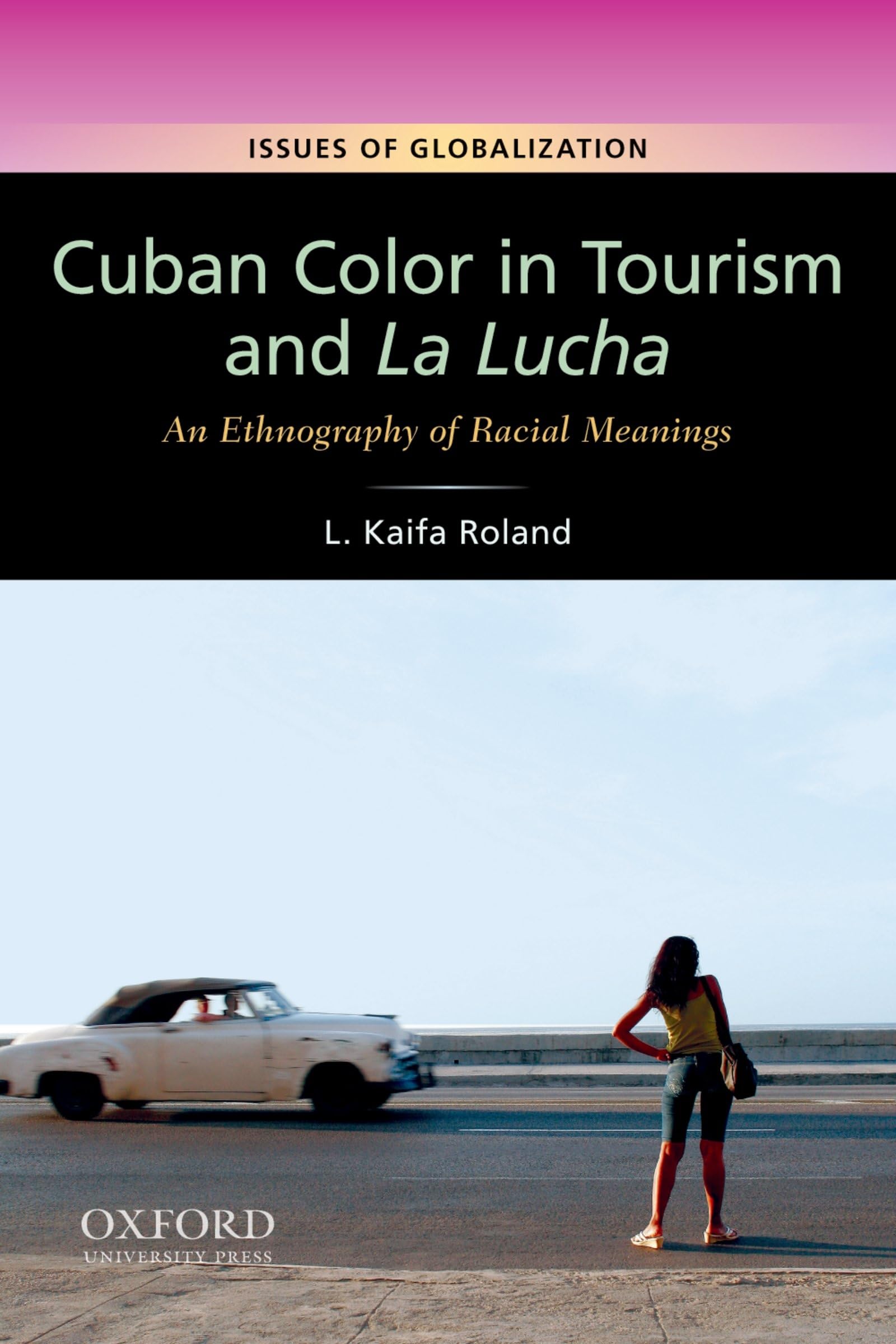
Cuban Color In Tourism And La Lucha: An Ethnography Of Racial Meanings (Issues Of Globalization:Case Studies In Contemporary Ant,Used
Sold by Ergodebooks, an authorized reseller.
Returns accepted within 30 days | support@ergodebooks.com
Shipping Information
- Free Standard Shipping — United States only
- Processing Time: 3–5 business days
- Estimated Delivery: 6–10 business days after dispatch
- Double-boxed, fully insured & discreetly packaged
- Tracking number sent via email once dispatched
Returns & Refund
Returns accepted within 30 days of delivery.
Damaged or Defective Item
Free return shipping + replacement or full refund
Wrong Item Received
Free return shipping + replacement or full refund
Change of Mind
Return shipping at customer's expense · 25% restocking fee applies
Payment Option

Cuban Color In Tourism And La Lucha: An Ethnography Of Racial Meanings Offers A Provocative Look At What It Means To Belong In Modern Socialist Cuba. Drawn From Her Extensive Travels Throughout Cuba Over The Past Decade, Author L. Kaifa Roland Pulls Back The Curtain On A Country That Has Remained Mysterious To Americans Since The Midtwentieth Century. Through Vivid Vignettes And Firsthand Details, Roland Exposes The Lasting Effects Of The Collapse Of The Soviet Union And The Subsequent Rise Of Statesponsored Segregated Tourism In Cuba. She Demonstrates How The Creation Of Separate Spheres For Locals And Tourists Has Had Two Effects. First, Tourism Reestablished The Racial Apartheid That Plagued Prerevolutionary Cuba. Second, It Reinforced How The State'S Desire To Maintain A Socialist Ideology In Face Of Its Increasing Reliance On Capitalist Tools Is At Odds With The Daytoday Strugglesor La Luchaof The Cuban People. Roland Uses Conversations And Anecdotes Gleaned From A Year Of Living Among Locals As A Way Of Delving Into These Struggles And Understanding What Constitutes Life In Cuba Today. In Exploring The Intersections Of Race, Class, And Gender, She Gives Readers A Better Understanding Of The Common Issues Of Status And Belonging For Tourists And Their Hosts In Cuba.Cuban Color In Tourism And La Lucha Is One Of Several Volumes In The Issues Of Globalization: Case Studies In Contemporary Anthropology Series, Which Examines The Experiences Of Individual Communities In Our Contemporary World. Each Volume Offers A Brief And Engaging Exploration Of A Particular Issue Arising From Globalization And Its Cultural, Political, And Economic Effects On Certain Peoples Or Groups. Ideal For Introductory Anthropology Coursesand As Supplements For A Variety Of Upperlevel Coursesthese Texts Seamlessly Combine Portraits Of An Interconnected And Globalized World With Narratives That Emphasize The Agency Of Their Subjects.
⚠️ WARNING (California Proposition 65):
This product may contain chemicals known to the State of California to cause cancer, birth defects, or other reproductive harm.
For more information, please visit www.P65Warnings.ca.gov.
- Q: How many pages does the book have? A: The book has one hundred thirty pages. It provides a concise exploration of racial meanings within the context of Cuban tourism.
- Q: What are the dimensions of this book? A: The book measures eight and a half inches in length, five and fifty-one hundredths inches in width, and eight and twenty-seven hundredths inches in height.
- Q: What type of binding does this book use? A: The book is bound in paperback. This makes it lightweight and easy to handle, ideal for casual reading.
- Q: Who is the author of this book? A: The author is L. Kaifa Roland. She draws from her extensive experiences traveling in Cuba over the past decade.
- Q: What themes does this book explore? A: The book explores themes of race, class, and gender. It delves into what it means to belong in modern socialist Cuba.
- Q: Is this book suitable for introductory anthropology courses? A: Yes, it is suitable for introductory anthropology courses. It also serves as a supplement for various upper-level courses.
- Q: How does this book portray the effects of tourism in Cuba? A: The book explains how state-sponsored segregated tourism reestablished racial apartheid in Cuba. It highlights the contrast between local experiences and tourist perspectives.
- Q: Can this book help me understand Cuba's social struggles? A: Yes, it provides insights into the day-to-day struggles of the Cuban people. Conversations and anecdotes enrich the narrative, enhancing understanding.
- Q: Is this book appropriate for young adults? A: Yes, it is appropriate for young adults. The themes are relevant to those interested in cultural studies and social issues.
- Q: Does this book include real-life anecdotes? A: Yes, it includes real-life anecdotes from the author's year living among locals. These stories provide depth and personal connection to the material.
- Q: Is there a specific target audience for this book? A: The target audience includes students and scholars in anthropology and social sciences. It appeals to anyone interested in globalization and cultural studies.
- Q: What kind of narrative style does the author use? A: The author employs a narrative style that combines vivid vignettes with scholarly analysis. This approach makes complex issues accessible.
- Q: How do I care for this paperback book? A: To care for the book, keep it in a dry place and avoid exposure to direct sunlight. This will help preserve its condition over time.
- Q: What should I do if the book arrives damaged? A: If the book arrives damaged, contact the seller for a return or replacement. Most retailers have policies in place for such issues.
- Q: Can I find this book in libraries? A: Yes, it is likely available in academic and public libraries. Check your local library's catalog for availability.
- Q: Is there a digital version of this book? A: Yes, a digital version may be available. Check online retailers or academic platforms for eBook options.