
Title
Cultural Approaches to Studying Religion: An Introduction to Theories and Methods,Used
Sold by Ergodebooks, an authorized reseller.
Returns accepted within 30 days | support@ergodebooks.com
Shipping Information
- Free Standard Shipping — United States only
- Processing Time: 3–5 business days
- Estimated Delivery: 6–10 business days after dispatch
- Double-boxed, fully insured & discreetly packaged
- Tracking number sent via email once dispatched
Returns & Refund
Returns accepted within 30 days of delivery.
Damaged or Defective Item
Free return shipping + replacement or full refund
Wrong Item Received
Free return shipping + replacement or full refund
Change of Mind
Return shipping at customer's expense · 25% restocking fee applies
Payment Option

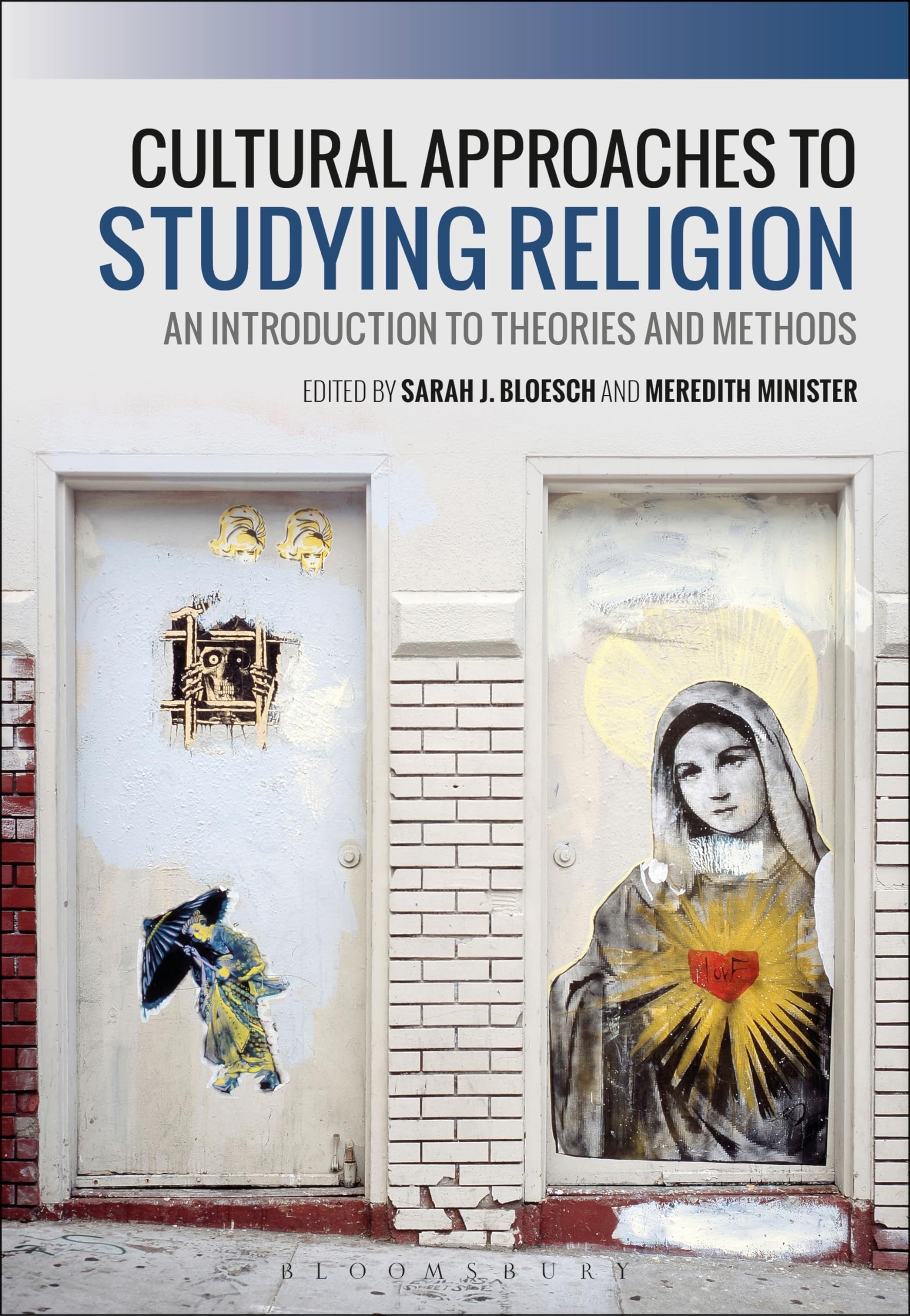
This is the first book to provide an introduction to contemporary cultural approaches to the study of religion. This book makes sophisticated ideas accessible at an introductory level, and examines the analytic tools of scholars in religious studies, as well as in related disciplines that have shaped the field including anthropology, history, literature, and critical studies in race, sexuality, and gender.Each chapter is written by a leading scholar and includes: the biographical and historical context of each theorist their approaches and key writings analysis and evaluation of each theory suggested further reading.Part One: Comparative Approaches considers how major features such as taboo, texts, myths and ritual work across religious traditions by exploring the work of Mary Douglas, Phyllis Trible, Wendy Doniger and Catherine Bell.Part Two: Examining Particularities analyzes the comparative approach through the work of Alice Walker, Charles Long and Caroline Walker Bynum, who all suggest that the specifics of race, body, place and time must be considered.Part Three: Expanding Boundaries examines Gloria Anzalda's language of religion, as well as the work of Judith Butler on performative, queer theories of religion, and concludes with Saba Mahmood, whose work considers postcolonial religious encounters, secularism, and the relationship between East and West.Reflecting the cultural turn and challenging the existing canon, this is the anthology instructors have been waiting for.For primary texts by the theorists discussed, please consult The Bloomsbury Reader in Cultural Approaches to the Study of Religion, edited by Sarah J. Bloesch and Meredith Minister.
⚠️ WARNING (California Proposition 65):
This product may contain chemicals known to the State of California to cause cancer, birth defects, or other reproductive harm.
For more information, please visit www.P65Warnings.ca.gov.
- Q: How many pages does the book have? A: This book has two hundred sixteen pages. It provides a comprehensive overview of cultural approaches to studying religion.
- Q: What is the binding type of this book? A: This book is paperback bound. This makes it lightweight and portable for easy reading.
- Q: What are the dimensions of the book? A: The book measures six point six nine inches in length, zero point five one inches in width, and nine point four five inches in height. Its compact size makes it convenient for storage.
- Q: How do I read this book effectively? A: To read this book effectively, approach it chapter by chapter. Each chapter is authored by a leading scholar, providing unique insights and contexts.
- Q: Is this book suitable for beginners? A: Yes, this book is suitable for beginners. It presents sophisticated ideas in an accessible manner, making it an excellent introduction to the study of religion.
- Q: What is the target audience for this book? A: The target audience includes students and scholars interested in cultural approaches to religion. It also appeals to those in related disciplines such as anthropology and literature.
- Q: How should I store this book? A: Store this book in a cool, dry place away from direct sunlight. This will help prevent damage to the cover and pages.
- Q: Is this book safe for children? A: Yes, the content is suitable for older children and young adults. However, adult supervision is advised for younger readers due to complex themes.
- Q: Can this book be used for academic courses? A: Yes, this book is ideal for academic courses. It provides a thorough foundation in cultural approaches to the study of religion.
- Q: What if the book arrives damaged? A: If the book arrives damaged, you should contact the seller for a return or replacement. Most sellers provide a clear return policy for such issues.
- Q: Is there a glossary or index in the book? A: Yes, the book includes an index for easy reference. This helps readers locate key concepts and theorists discussed throughout the chapters.
- Q: What theories are explored in the book? A: The book explores various theories related to culture and religion, including perspectives from anthropology and critical studies. It includes contributions from notable scholars.
- Q: Does this book include further reading suggestions? A: Yes, each chapter includes suggestions for further reading. This allows readers to delve deeper into specific topics or theorists.
- Q: Who is the author of the book? A: The book is edited by Sarah J. Bloesch and Meredith Minister. They are recognized scholars in the field of cultural approaches to religion.
- Q: Is this book part of a series? A: No, this book is not part of a series. It stands alone as a comprehensive introduction to cultural approaches to studying religion.