
Title
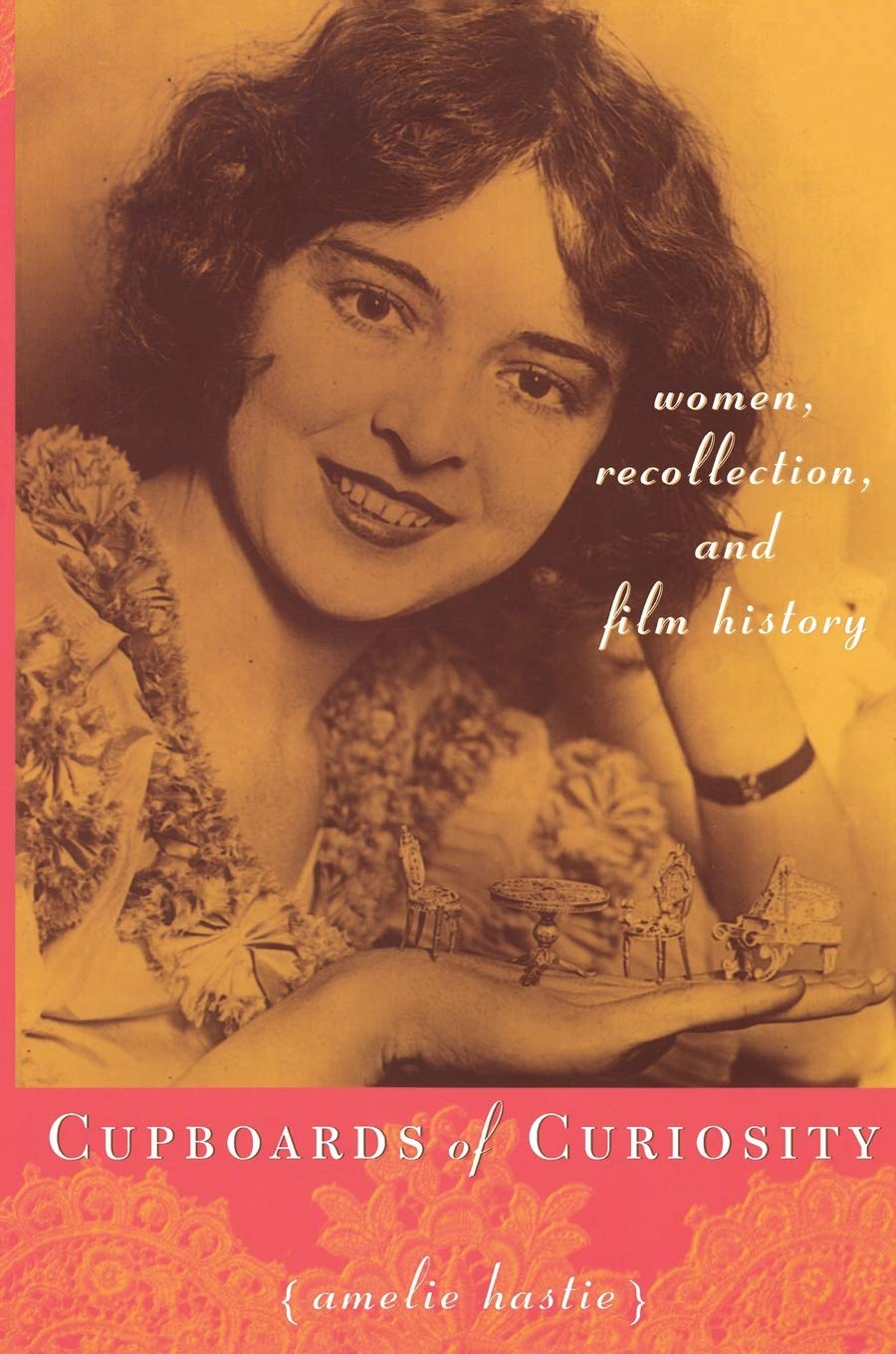
Cupboards Of Curiosity: Women, Recollection, And Film History,New
Sold by Ergodebooks, an authorized reseller.
Returns accepted within 30 days | support@ergodebooks.com
Shipping Information
- Free Standard Shipping — United States only
- Processing Time: 3–5 business days
- Estimated Delivery: 6–10 business days after dispatch
- Double-boxed, fully insured & discreetly packaged
- Tracking number sent via email once dispatched
Returns & Refund
Returns accepted within 30 days of delivery.
Damaged or Defective Item
Free return shipping + replacement or full refund
Wrong Item Received
Free return shipping + replacement or full refund
Change of Mind
Return shipping at customer's expense · 25% restocking fee applies
Payment Option

In Cupboards of Curiosity Amelie Hastie rethinks female authorship within film history by expanding the historical archive to include dollhouses, scrapbooks, memoirs, cookbooks, and ephemera. Focusing on women who worked during the silentfilm era, Hastie reveals how female stars, directors, and others appropriated personal or domestic cultural forms not only to publicize their own achievements but also to reflect on specific films and the broader film industry. Whether considering Colleen Moores thirtysix scrapbooks or Dietrichs eccentric book Marlene Dietrichs ABC, Hastie emphasizes how these women spoke for themselvesas collectors, historians, critics, and expertsoften explicitly contemplating the role their writings and material objects would play in subsequent constructions of history.Hastie pays particular attention to the actresses Colleen Moore and Louise Brooks and Hollywoods first female director, Alice GuyBlach. From the beginning of her career, Moore worked intently to preserve a lasting place for herself as a Hollywood star, amassing collections of photos, souvenirs, and clippings as well as a dollhouse so elaborate that it drew extensive public attention. Brookss short essays reveal how she participated in the creation of her image as Lulu and later emerged as a critic of film stardom. The recovery of Blachs role in film history by feminist critics in the 1970s and 1980s was made possible by the existence of the directors own autobiographical history. Broadening her analytical framework to include contemporary celebrities, Hastie turns to howto manuals authored by female stars, from Zasu Pittss cookbook Candy Hits to Christy Turlingtons Living Yoga. She discusses how these assertions of celebrity expertise in realms seemingly unrelated to film and visual culture allow fans to prolong their experience of stardom.
⚠️ WARNING (California Proposition 65):
This product may contain chemicals known to the State of California to cause cancer, birth defects, or other reproductive harm.
For more information, please visit www.P65Warnings.ca.gov.