
Title
Curing The Colonizers: Hydrotherapy, Climatology, And French Colonial Spas,Used
Sold by Ergodebooks, an authorized reseller.
Returns accepted within 30 days | support@ergodebooks.com
Shipping Information
- Free Standard Shipping — United States only
- Processing Time: 3–5 business days
- Estimated Delivery: 6–10 business days after dispatch
- Double-boxed, fully insured & discreetly packaged
- Tracking number sent via email once dispatched
Returns & Refund
Returns accepted within 30 days of delivery.
Damaged or Defective Item
Free return shipping + replacement or full refund
Wrong Item Received
Free return shipping + replacement or full refund
Change of Mind
Return shipping at customer's expense · 25% restocking fee applies
Payment Option

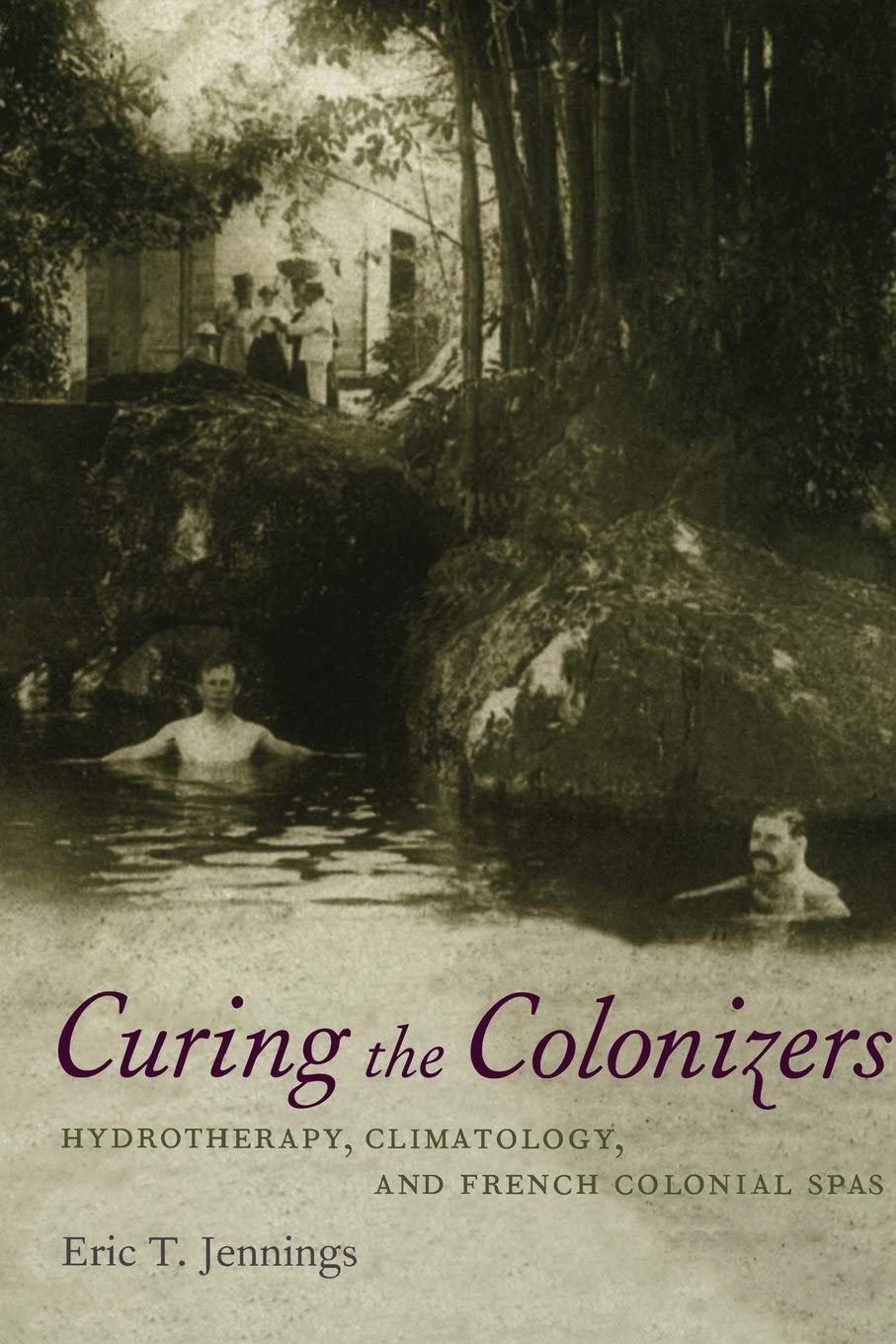
Beware! Against the poison that is Africa, there is but one antidote: Vichy. So ran a 1924 advertisement for one of Frances main spas. Throughout the French empire, spas featuring water cures, often combined with climatic cures, thrived during the nineteenth century and the twentieth. Water cures and highaltitude resorts were widely believed to serve vital therapeutic and even prophylactic functions against tropical disease and the tropics themselves. The Ministry of the Colonies published bulletins accrediting a host of spas thought to be effective against tropical ailments ranging from malaria to yellow fever; specialized guidebooks dispensed advice on the best spas for colonial ills. Administrators were granted regular furloughs to take the waters back home in France. In the colonies, spas assuaged homesickness by creating oases of France abroad. Colonizers frequented spas to maintain their strength, preserve their French identity, and cultivate their difference from the colonized.Combining the histories of empire, leisure, tourism, culture, and medicine, Eric T. Jennings sheds new light on the workings of empire by examining the rationale and practice of French colonial hydrotherapy between 1830 and 1962. He traces colonial acclimatization theory and the development of a science of hydrotherapy appropriate to colonial spaces, and he chronicles and compares the histories of spas in several French coloniesGuadeloupe, Madagascar, Tunisia, and Runionand in France itself. Throughout Curing the Colonizers, Jennings illuminates the relationship between indigenous and French colonial therapeutic knowledge as well as the ultimate failure of the spas to make colonialism physically or morally safe for the French.
⚠️ WARNING (California Proposition 65):
This product may contain chemicals known to the State of California to cause cancer, birth defects, or other reproductive harm.
For more information, please visit www.P65Warnings.ca.gov.
- Q: What is the page count of 'Curing the Colonizers'? A: This book has two hundred eighty-eight pages. It provides an in-depth exploration of French colonial hydrotherapy.
- Q: What are the dimensions of this book? A: The dimensions are six point fourteen inches in length, zero point seventy-one inches in width, and nine point twenty-five inches in height.
- Q: What type of binding does this book have? A: This book is available in paperback binding. Paperback is a common choice for ease of reading and portability.
- Q: Who is the author of 'Curing the Colonizers'? A: The author is Eric T. Jennings. He examines the relationship between colonialism and hydrotherapy in this work.
- Q: What is the main theme of this book? A: The main theme explores the intersection of empire, leisure, and medicine. It delves into French colonial practices from the nineteenth to the twentieth century.
- Q: How does this book address the topic of colonial spas? A: The book chronicles the history of spas in French colonies. It discusses their role in colonial life and their perceived therapeutic benefits.
- Q: Is this book suitable for academic research? A: Yes, it is suitable for academic research. It provides insights into colonial history and therapeutic practices, making it valuable for scholars.
- Q: What kind of reader would enjoy this book? A: Readers interested in history, colonial studies, and cultural practices would enjoy this book. It offers a unique perspective on French colonialism.
- Q: How should I care for this book? A: To care for the book, keep it in a dry place away from direct sunlight. This will help preserve its condition over time.
- Q: Can this book be read by young adults? A: Yes, it can be read by young adults. However, it contains complex themes related to colonial history that may require critical thinking.
- Q: What if my book arrives damaged? A: If your book arrives damaged, you should contact the seller for a return or exchange. Most sellers provide a return policy for such cases.
- Q: Is this book available in any other formats? A: Currently, the book is only available in paperback format. Digital formats may not be offered by the publisher.
- Q: How does this book compare to other historical accounts of colonialism? A: This book offers a unique focus on hydrotherapy within the context of colonialism. It provides a specific angle that is less commonly explored.
- Q: What types of therapeutic practices are discussed in this book? A: The book discusses water cures and climatic therapies. These practices were believed to combat tropical diseases during the colonial period.
- Q: Can this book help me understand French identity during colonial times? A: Yes, it offers insights into how colonial spas helped maintain French identity abroad. It highlights the cultural implications of colonial practices.
- Q: What kind of research sources does the author use? A: The author utilizes a variety of historical sources, including bulletins from the Ministry of the Colonies. This enhances the credibility of the research.