
Title
Currency Wars: The Making of the Next Global Crisis,Used
Sold by Ergodebooks, an authorized reseller.
Returns accepted within 30 days | support@ergodebooks.com
Shipping Information
- Free Standard Shipping — United States only
- Processing Time: 3–5 business days
- Estimated Delivery: 6–10 business days after dispatch
- Double-boxed, fully insured & discreetly packaged
- Tracking number sent via email once dispatched
Returns & Refund
Returns accepted within 30 days of delivery.
Damaged or Defective Item
Free return shipping + replacement or full refund
Wrong Item Received
Free return shipping + replacement or full refund
Change of Mind
Return shipping at customer's expense · 25% restocking fee applies
Payment Option

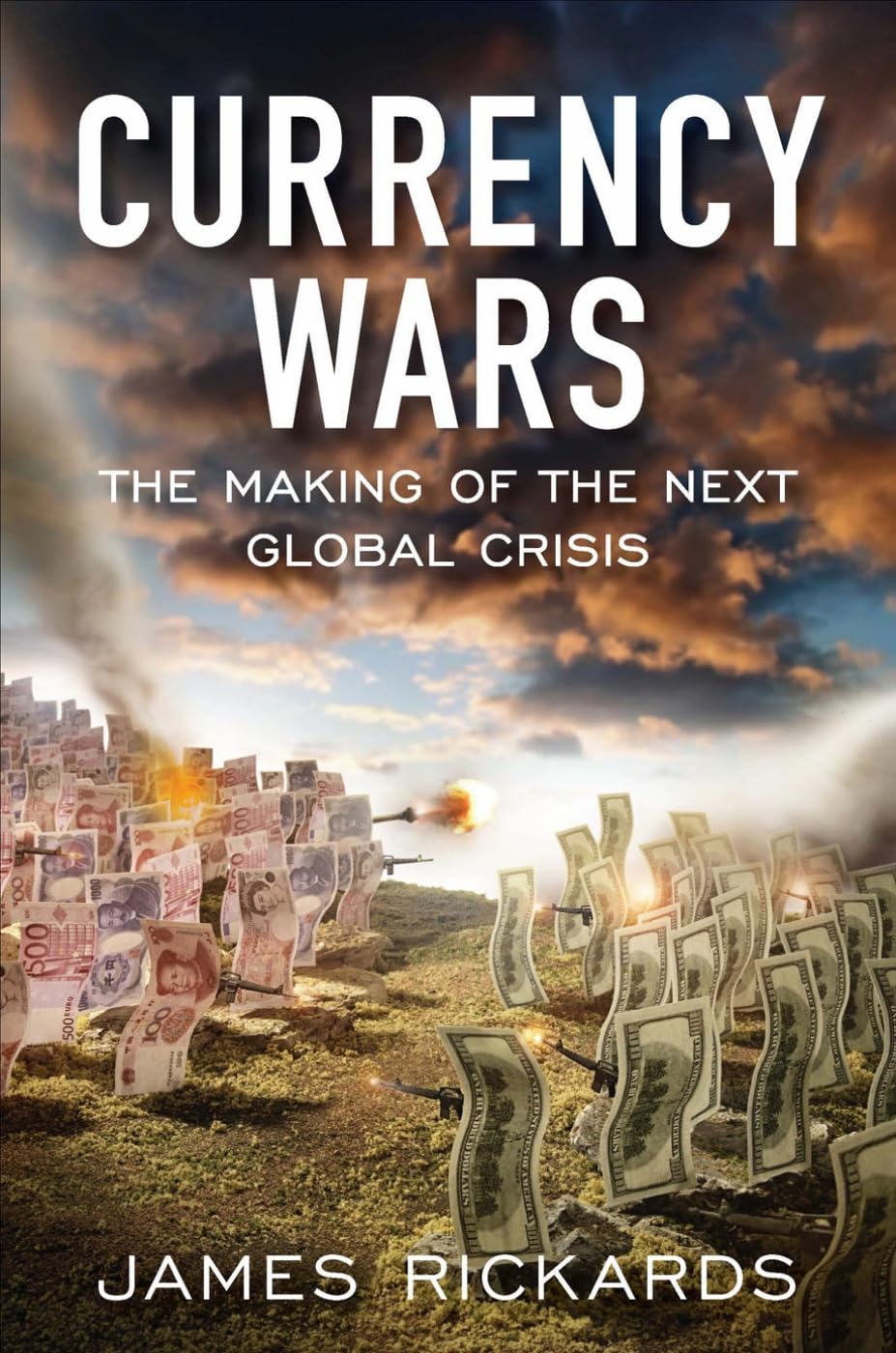
In 1971, President Nixon imposed national price controls and took the United States off the gold standard, an extreme measure intended to end an ongoing currency war that had destroyed faith in the U.S. dollar. Today we are engaged in a new currency war, and this time the consequences will be far worse than those that confronted Nixon.Currency wars are one of the most destructive and feared outcomes in international economics. At best, they offer the sorry spectacle of countries' stealing growth from their trading partners. At worst, they degenerate into sequential bouts of inflation, recession, retaliation, and sometimes actual violence. Left unchecked, the next currency war could lead to a crisis worse than the panic of 2008.Currency wars have happened beforetwice in the last century aloneand they always end badly. Time and again, paper currencies have collapsed, assets have been frozen, gold has been confiscated, and capital controls have been imposed. And the next crash is overdue. Recent headlines about the debasement of the dollar, bailouts in Greece and Ireland, and Chinese currency manipulation are all indicators of the growing conflict.As James Rickards argues in Currency Wars, this is more than just a concern for economists and investors. The United States is facing serious threats to its national security, from clandestine gold purchases by China to the hidden agendas of sovereign wealth funds. Greater than any single threat is the very real danger of the collapse of the dollar itself.Baffling to many observers is the rank failure of economists to foresee or prevent the economic catastrophes of recent years. Not only have their theories failed to prevent calamity, they are making the currency wars worse. The U. S. Federal Reserve has engaged in the greatest gamble in the history of finance, a sustained effort to stimulate the economy by printing money on a trilliondollar scale. Its solutions present hidden new dangers while resolving none of the current dilemmas.While the outcome of the new currency war is not yet certain, some version of the worstcase scenario is almost inevitable if U.S. and world economic leaders fail to learn from the mistakes of their predecessors. Rickards untangles the web of failed paradigms, wishful thinking, and arrogance driving current public policy and points the way toward a more informed and effective course of action.
⚠️ WARNING (California Proposition 65):
This product may contain chemicals known to the State of California to cause cancer, birth defects, or other reproductive harm.
For more information, please visit www.P65Warnings.ca.gov.
- Q: What is the page count of 'Currency Wars: The Making of the Next Global Crisis'? A: The book has three hundred four pages. It provides an in-depth analysis of economic strategies and their implications.
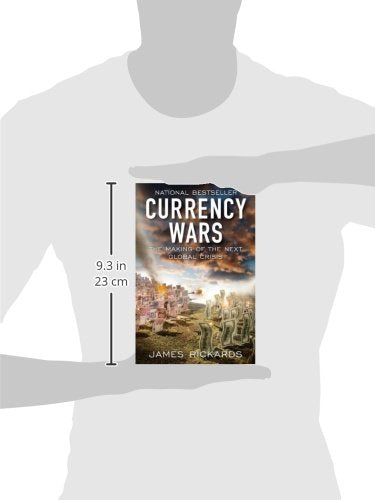
- Q: What are the dimensions of this book? A: The book measures six point thirty-one inches in length, one inch in width, and nine point thirty-one inches in height. These dimensions make it a standard hardcover book size.
- Q: Who is the author of 'Currency Wars'? A: The author is James Rickards. He is known for his expertise in economics and financial strategy.
- Q: How do I read 'Currency Wars'? A: You can read this book at your own pace, as it is intended for general audiences. It offers insights into complex economic issues, making it suitable for both casual readers and those interested in finance.
- Q: Is 'Currency Wars' suitable for beginners in economics? A: Yes, the book is accessible for beginners. It breaks down complex concepts, making it understandable for those new to economic discussions.
- Q: What is the publication date of 'Currency Wars'? A: The book was published on November tenth, two thousand eleven. It reflects economic conditions and theories relevant to that time.
- Q: How do I keep 'Currency Wars' in good condition? A: To maintain the book's condition, store it upright in a cool, dry place and avoid exposure to direct sunlight. Handle it carefully to prevent wear and tear.
- Q: Is 'Currency Wars' a hardcover book? A: Yes, it is a hardcover edition. This type of binding provides durability and longevity for regular readers.
- Q: Are there any safety concerns with this book? A: No, there are no safety concerns with reading 'Currency Wars'. It is a non-fiction book intended for adult readers.
- Q: Can I return 'Currency Wars' if I don't like it? A: Yes, you can typically return the book if it is in new condition. Check the return policy of the retailer from where you purchased it.
- Q: What genres does 'Currency Wars' belong to? A: The book falls under the genre of economic conditions and finance. It explores themes of currency manipulation and economic crises.
- Q: What should I do if my copy of 'Currency Wars' arrives damaged? A: If your copy is damaged, contact the retailer's customer service for a replacement or return. Keep all packaging materials for the return process.
- Q: Is 'Currency Wars' relevant to current economic issues? A: Yes, the book discusses issues that are ongoing in today's economy, such as currency manipulation and economic strategies. It remains a pertinent read.
- Q: What makes 'Currency Wars' unique compared to other economic books? A: It uniquely combines historical analysis with contemporary economic issues, providing insights into future crises. Rickards' perspective is both informative and cautionary.
- Q: Does 'Currency Wars' include any case studies? A: Yes, the book includes historical case studies of past currency wars. These examples illustrate the potential consequences of economic mismanagement.
- Q: What are the ISBN numbers for 'Currency Wars'? A: The ISBN numbers are nine seven eight one five nine one eight four four four nine five and one five nine one eight four four nine five. These numbers help identify the book uniquely.