
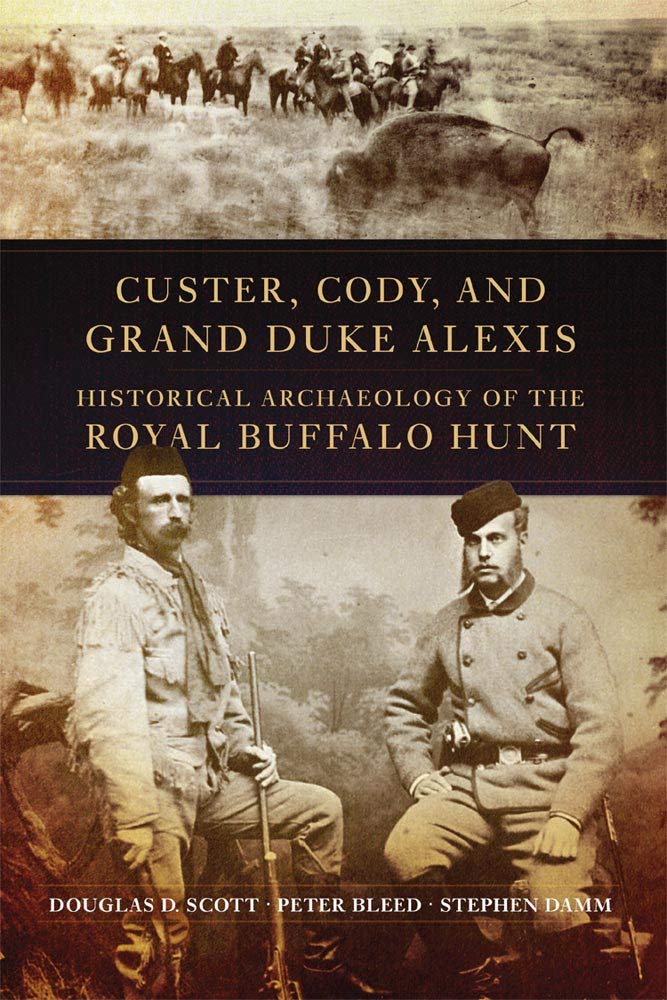
Title
Custer, Cody, and Grand Duke Alexis: Historical Archaeology of the Royal Buffalo Hunt,Used
Sold by Ergodebooks, an authorized reseller.
Returns accepted within 30 days | support@ergodebooks.com
Shipping Information
- Free Standard Shipping — United States only
- Processing Time: 3–5 business days
- Estimated Delivery: 6–10 business days after dispatch
- Double-boxed, fully insured & discreetly packaged
- Tracking number sent via email once dispatched
Returns & Refund
Returns accepted within 30 days of delivery.
Damaged or Defective Item
Free return shipping + replacement or full refund
Wrong Item Received
Free return shipping + replacement or full refund
Change of Mind
Return shipping at customer's expense · 25% restocking fee applies
Payment Option

On a chilly January morning in 1872, a special visitor arrived by train in North Platte, Nebraska. Grand Duke Alexis of Russia had already seen the cities and sights of the EastNew York, Washington, and Niagara Fallsand now the young nobleman was about to enjoy a western adventure: a grand buffalo hunt. His host would be General Philip Sheridan, and the excursion would include several of the Wests most iconic characters: George Armstrong Custer, Buffalo Bill Cody, and Spotted Tail of the Brul Sioux.The Royal Buffalo Hunt, as this event is now called, has become a staple of western lore. Yet incorrect information and misconceptions about the excursion have prevented a clear understanding of what really took place. In this fascinating book, Douglas D. Scott, Peter Bleed, and Stephen Damm combine archaeological and historical research to offer an expansive and accurate portrayal of this singular diplomatic event.The authors focus their investigation on the Red Willow Creek encampment site, now named Camp Alexis, the partys only stopping place along the hunt trail that can be located with certainty. In addition to physical artifacts, the authors examine a plethora of primary accountssuch as railroad timetables, invitations to balls and dinners, even sheet music commemorating the visitto supplement the archaeological evidence. They also reference documents from the Russian State Archives previously unavailable to researchers, as well as recently discovered photographs that show the layout and organization of the camp. Weaving all these elements together, their account constitutes a valuable product of the interdisciplinary approach known as microhistory.
⚠️ WARNING (California Proposition 65):
This product may contain chemicals known to the State of California to cause cancer, birth defects, or other reproductive harm.
For more information, please visit www.P65Warnings.ca.gov.