
Title
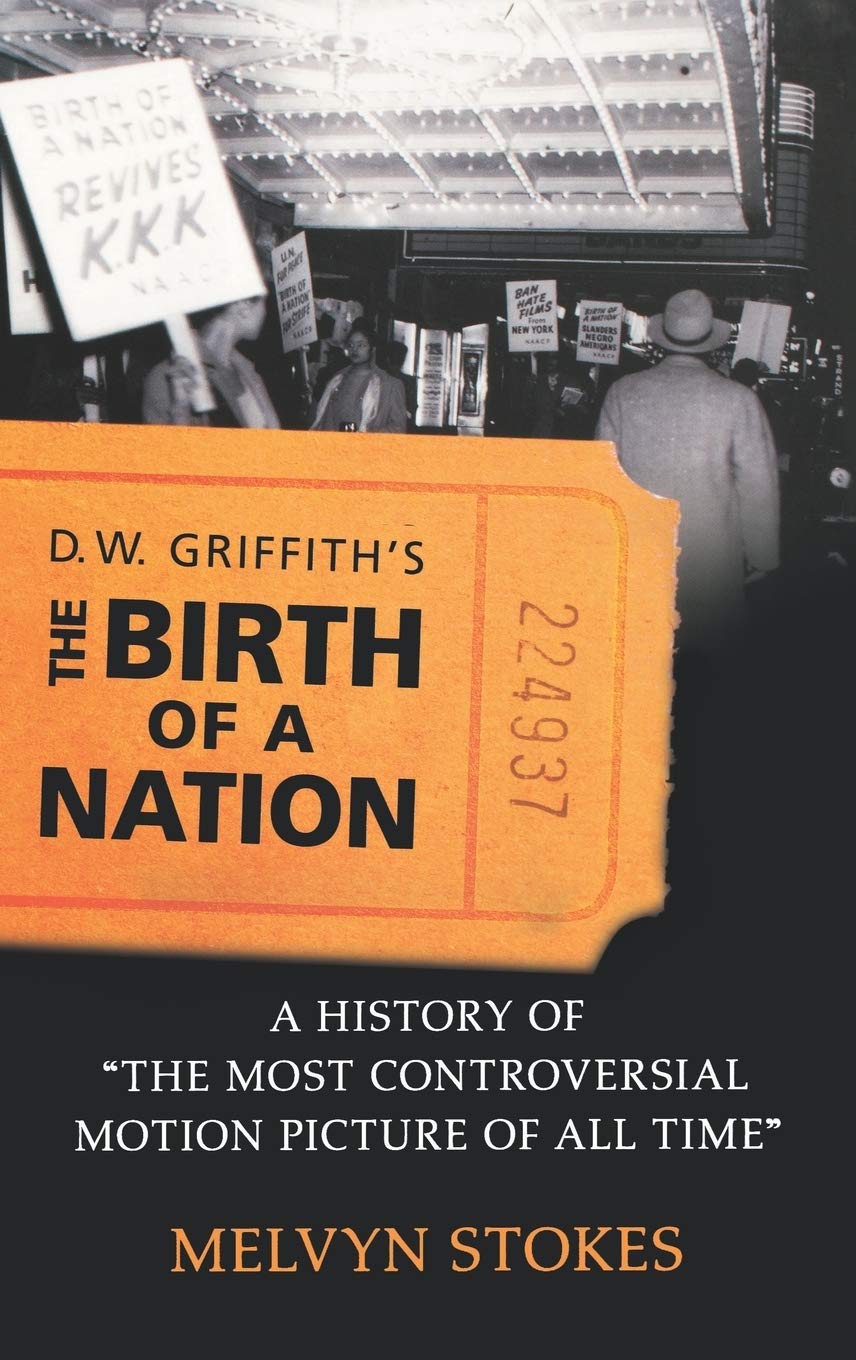
D.W. Griffith'S The Birth Of A Nation: A History Of The Most Controversial Motion Picture Of All Time
Sold by Ergodebooks, an authorized reseller.
Returns accepted within 30 days | support@ergodebooks.com
Shipping Information
- Free Standard Shipping — United States only
- Processing Time: 3–5 business days
- Estimated Delivery: 6–10 business days after dispatch
- Double-boxed, fully insured & discreetly packaged
- Tracking number sent via email once dispatched
Returns & Refund
Returns accepted within 30 days of delivery.
Damaged or Defective Item
Free return shipping + replacement or full refund
Wrong Item Received
Free return shipping + replacement or full refund
Change of Mind
Return shipping at customer's expense · 25% restocking fee applies
Payment Option

In this deeply researched and vividly written volume, Melvyn Stokes illuminates the origins, production, reception and continuing history of this groundbreaking, aesthetically brilliant, and yet highly controversial movie.By going back to the original archives, particularly the NAACP and D. W. Griffith Papers, Stokes explodes many of the myths surrounding The Birth of a Nation (1915). Yet the story that remains is fascinating: the longest American film of its time, Griffith's film incorporated many new features, including the first full musical score compiled for an American film. It was distributed and advertised by pioneering methods that would quickly become standard. Through the high prices charged for admission and the fact that it was shown, at first, only in 'live' theaters with orchestral accompaniment, Birth played a major role in reconfiguring the American movie audience by attracting more middleclass patrons. But if the film was a milestone in the history of cinema, it was also undeniably racist. Stokes shows that the darker side of this classic movie has its origins in the racist ideas of Thomas Dixon, Jr. and Griffith's own Kentuckian background and earlier film career. The book reveals how, as the years went by, the campaign against the film became increasingly successful. In the 1920s, for example, the NAACP exploited the fact that the new Ku Klux Klan, which used Griffith's film as a recruiting and retention tool, was not just antiblack, but also antiCatholic and antiJewish, as a way to mobilize new allies in opposition to the film.This crisply written book sheds light on both the film's racism and the aesthetic brilliance of Griffith's filmmaking. It is a mustread for anyone interested in the cinema.
⚠️ WARNING (California Proposition 65):
This product may contain chemicals known to the State of California to cause cancer, birth defects, or other reproductive harm.
For more information, please visit www.P65Warnings.ca.gov.