
Title
Damien Hirst: Entomology Cabinets And Entomology Paintings,Used
Sold by Ergodebooks, an authorized reseller.
Returns accepted within 30 days | support@ergodebooks.com
Shipping Information
- Free Standard Shipping — United States only
- Processing Time: 3–5 business days
- Estimated Delivery: 6–10 business days after dispatch
- Double-boxed, fully insured & discreetly packaged
- Tracking number sent via email once dispatched
Returns & Refund
Returns accepted within 30 days of delivery.
Damaged or Defective Item
Free return shipping + replacement or full refund
Wrong Item Received
Free return shipping + replacement or full refund
Change of Mind
Return shipping at customer's expense · 25% restocking fee applies
Payment Option

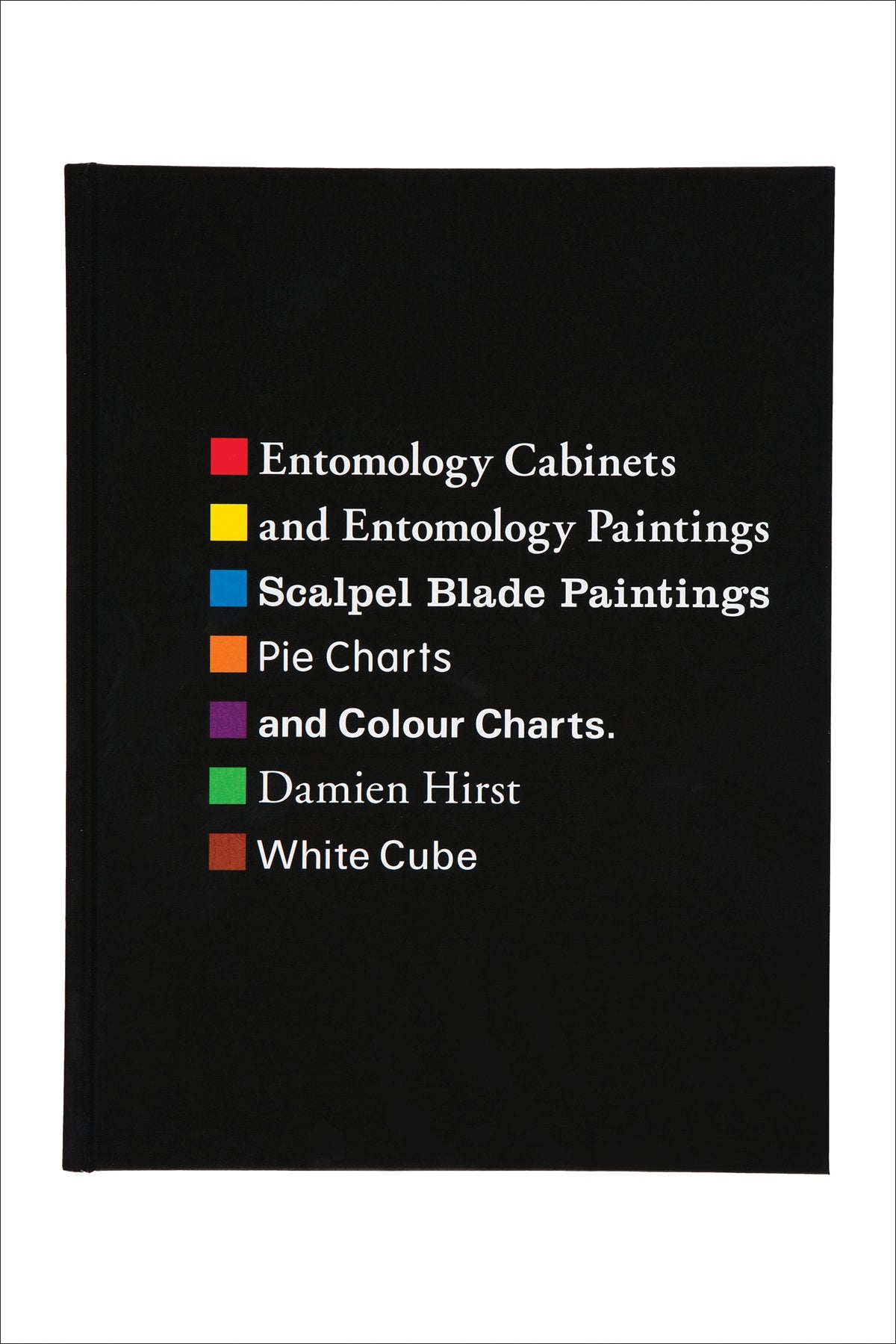
Published on the occasion of Damien Hirst's exhibition at White Cube in Hong Kong in the spring of 2013. Among many new works illustrated in the publication are pieces from some of Hirst's latest series: the Entomology paintings and the Blade paintings. Hirst began work on the Entomology paintings in 2009. Each piece is made by placing hundreds of varieties of insect and beetle species into household gloss paint, in intricate geometric patterns. The series is reminiscent of Hirst's iconic series of butterfly wing Kaleidoscope pieces, dating from 2001, which were originally inspired by Victorian tea trays. As with the butterflyone of Hirst's most enduring 'universal triggers'the insects' appeal derives largely from the appearance of life they retain in death. However, whilst the iridescent beauty of the wings in the Kaleidoscope series evoke stained glass windows, and are often assigned spiritual titles, the Entomology paintings are named after phases and characters in Dante Alighieri's tortuous vision of the afterlife, The Divine Comedy. The works also allude to Hirst's longterm interest in the nineteenthcentury fascination with natural history and the irony involved in having to kill something in order to look at it. The Blade paintings are amongst the newest series of works in Hirst's practice. Thousands of variously shaped scalpel blades are positioned on a canvas in spectacular, mandalalike patterns. In some of the works, intermittent areas of coloured gloss paint have been layered in between the blades. The Blade paintings reference two of Hirst's seminal earlier series. While their geometric patterns recall the earlier series of butterfly Kaleidoscope paintings, in their use of surgical instruments, Hirst also returns to one of his most recognisable themes: medicine, and its inevitable futility in the face of our mortality. The surgical materials, first used by Hirst in his early 90s instrument cabinets, are described by the artist as 'phenomenal objects because they have to have this confidence and this belief. They are the best quality. They are brilliantly designed, for all the right reasons.' With the Blade paintings, the instruments eventual inability to arrest decay is highlighted by their relegation to decorative status.
⚠️ WARNING (California Proposition 65):
This product may contain chemicals known to the State of California to cause cancer, birth defects, or other reproductive harm.
For more information, please visit www.P65Warnings.ca.gov.