
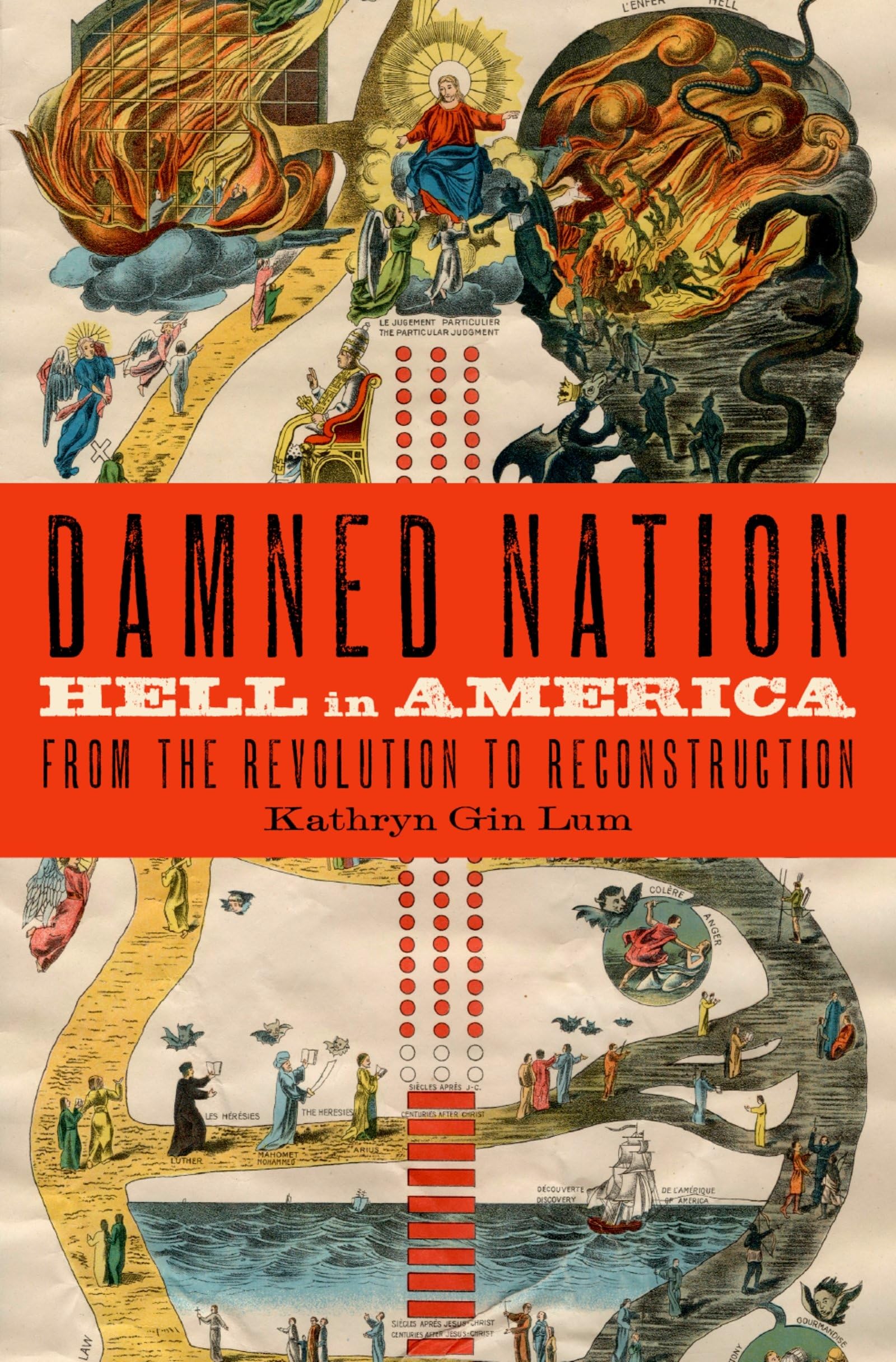
Title
Damned Nation: Hell In America From The Revolution To Reconstruction
Sold by Ergodebooks, an authorized reseller.
Returns accepted within 30 days | support@ergodebooks.com
Shipping Information
- Free Standard Shipping — United States only
- Processing Time: 3–5 business days
- Estimated Delivery: 6–10 business days after dispatch
- Double-boxed, fully insured & discreetly packaged
- Tracking number sent via email once dispatched
Returns & Refund
Returns accepted within 30 days of delivery.
Damaged or Defective Item
Free return shipping + replacement or full refund
Wrong Item Received
Free return shipping + replacement or full refund
Change of Mind
Return shipping at customer's expense · 25% restocking fee applies
Payment Option

Among The Pressing Concerns Of Americans In The First Century Of Nationhood Were Daytoday Survival, Political Harmony, Exploration Of The Continent, Foreign Policy, Andfixed Deeply In The Collective Consciousnesshell And Eternal Damnation. The Fear Of Fire And Brimstone And The Worm That Never Dies Exerted A Profound And Lasting Influence On Americans' Ideas About Themselves, Their Neighbors, And The Rest Of The World.Kathryn Gin Lum Poses A Number Of Vital Questions: Why Did The Fear Of Hell Survive Enlightenment Critiques In America, After Largely Subsiding In Europe And Elsewhere? What Were The Consequences For Early And Antebellum Americans Of Living With The Fear Of Seeing Themselves And Many People They Knew Eternally Damned? How Did They Live Under The Weighty Obligation To Save As Many Souls As Possible? What About Those Who Rejected This Sense Of Obligation And Fear? Gin Lum Shows That Beneath Early Americans' Vaunted Millennial Optimism Lurked A Pervasive Anxiety: That Rather Than Being Favored By God, They And Their Nation Might Be The Object Of Divine Wrath. As Timehonored Social Hierarchies Crumbled Before Revival Fire, Economic Unease, And Political Chaos, Saved And Damned Became As Crucial Distinctions As Race, Class, And Gender. The Threat Of Damnation Became An Impetus For Or Deterrent From All Kinds Of Behaviors, From Reading Novels To Owning Slaves.Gin Lum Tracks The Idea Of Hell From The Revolution To Reconstruction. She Considers The Ideas Of Theological Leaders Like Jonathan Edwards And Charles Finney, As Well As Those Of Ordinary Women And Men. She Discusses The Views Of Native Americans, Americans Of European And African Descent, Residents Of Northern Insane Asylums And Southern Plantations, New England'S Clergy And Missionaries Overseas, And Even Proponents Of Swedenborgianism And Annihilationism. Damned Nation Offers A Captivating Account Of An Idea That Played A Transformative Role In America'S Intellectual And Cultural History.
⚠️ WARNING (California Proposition 65):
This product may contain chemicals known to the State of California to cause cancer, birth defects, or other reproductive harm.
For more information, please visit www.P65Warnings.ca.gov.
- Q: How many pages does this book have? A: This book has three hundred thirty pages. It provides an in-depth exploration of the concept of hell in America.
- Q: What is the binding type of this book? A: This book is a hardcover edition. Hardcover books are known for their durability and attractive appearance.
- Q: What are the dimensions of this book? A: The dimensions of this book are six point two inches in length, one point two inches in width, and nine point three inches in height. These measurements make it a standard size for a hardcover book.
- Q: Who is the author of this book? A: The author of this book is Kathryn Gin Lum. She is known for her scholarly work on American history and culture.
- Q: What is the main subject of 'Damned Nation'? A: The main subject of 'Damned Nation' is the historical concept of hell in America from the Revolution to Reconstruction. It examines how these beliefs influenced American society.
- Q: Is this book suitable for academic research? A: Yes, this book is suitable for academic research. It includes comprehensive analysis and historical context that can benefit scholars in American studies.
- Q: What themes are explored in this book? A: This book explores themes of fear, salvation, and societal obligations in the context of American history. It also addresses the impact of religious beliefs on behavior and social hierarchies.
- Q: Can this book be used in college courses? A: Yes, this book can be used in college courses. Its scholarly approach makes it a valuable resource for students studying American history and religion.
- Q: What kind of audience would enjoy this book? A: This book is ideal for readers interested in American history, theology, and cultural studies. It appeals to both academic and general audiences.
- Q: Does this book contain illustrations or images? A: No, this book does not contain illustrations or images. It focuses on text-based analysis and historical narratives.
- Q: How should I store this hardcover book? A: Store this hardcover book upright on a shelf to prevent warping. Keep it in a dry environment to avoid damage from moisture.
- Q: What is the recommended care for this book? A: To care for this book, keep it away from direct sunlight and handle it with clean hands. This will help preserve its condition.
- Q: What if my book arrives damaged? A: If your book arrives damaged, you should contact the seller for a return or exchange. Most sellers have policies in place for damaged items.
- Q: Is there a warranty on this book? A: Typically, there is no warranty on books. However, you can check with the retailer for their specific return policy.
- Q: What if I have questions about the content? A: If you have questions about the content, you can refer to academic discussions or reviews online. Additionally, reading the book thoroughly may provide clarity.
- Q: Can I gift this book to someone? A: Yes, you can gift this book to someone. It makes a thoughtful present for those interested in history and theology.