
Title
Dance of Divine Love: India's Classic Sacred Love Story: The Rasa Lila of Krishna,Used
Sold by Ergodebooks, an authorized reseller.
Returns accepted within 30 days | support@ergodebooks.com
Shipping Information
- Free Standard Shipping — United States only
- Processing Time: 3–5 business days
- Estimated Delivery: 6–10 business days after dispatch
- Double-boxed, fully insured & discreetly packaged
- Tracking number sent via email once dispatched
Returns & Refund
Returns accepted within 30 days of delivery.
Damaged or Defective Item
Free return shipping + replacement or full refund
Wrong Item Received
Free return shipping + replacement or full refund
Change of Mind
Return shipping at customer's expense · 25% restocking fee applies
Payment Option

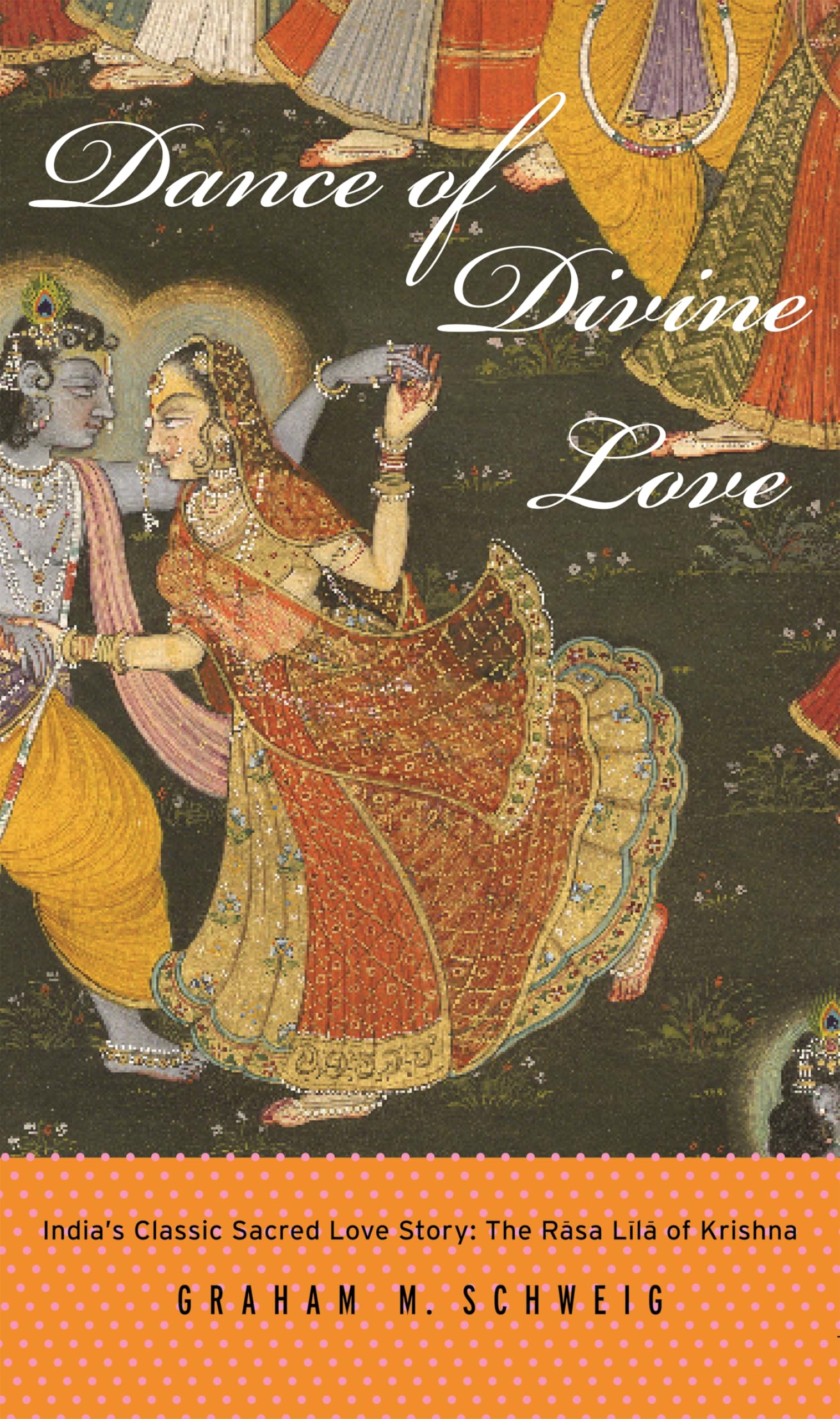
The heart of this book is a dramatic love poem, the Rasa Lila, which is the ultimate focal point of one of the most treasured Sanskrit texts of India, the Bhagavata Purana. Judged a literary masterpiece by Indian and Western scholars alike, this work of poetic genius and soaring religious vision is one of the world's greatest sacred love stories and, as Graham Schweig clearly demonstrates, should be regarded as India's Song of Songs. The story presents the supreme deity as the youthful and amorous cowherd, Krishna, who joins his beloved maidens in an enchanting and celebratory 'dance of divine love.'Schweig introduces this work of exquisite poetry and profound theology to the Western world in the form of a luminous translation and erudite scholarly treatment. His book explores the historical context and literary genre of the work and elucidates the aesthetic and emotional richness of the composition, highlighting poignant details of this drama of divine love. Schweig illuminates the religious dimensions and ethical nuances of the drama, drawing widely from the commentaries and esoteric vision of masters of the Caitanya school of Vaishnavism, a prominent devotional Hindu tradition.Themes such as transcendence of death through love, the yoga of devotion, the contrast between worldly love and passionate love for God, and the dialectical tension between ethical boundaries and boundless love are presented. The final event of the Rasa dance, the author concludes, presents a dynamic symbol of supreme love that provides the basis for a theological vision of genuine religious pluralism.
⚠️ WARNING (California Proposition 65):
This product may contain chemicals known to the State of California to cause cancer, birth defects, or other reproductive harm.
For more information, please visit www.P65Warnings.ca.gov.