If you have any questions, you are always welcome to contact us. We'll get back to you as soon as possible, withing 24 hours on weekdays.
Customer service
All questions about your order, return and delivery must be sent to our customer service team by e-mail at yourstore@yourdomain.com
Sale & Press
If you are interested in selling our products, need more information about our brand or wish to make a collaboration, please contact us at press@yourdomain.com
Help
If you have any questions, you are always welcome to contact us. We'll get back to you as soon as possible, withing 24 hours on weekdays.
Customer service
All questions about your order, return and delivery must be sent to our customer service team by e-mail at yourstore@yourdomain.com
Sale & Press
If you are interested in selling our products, need more information about our brand or wish to make a collaboration, please contact us at press@yourdomain.com
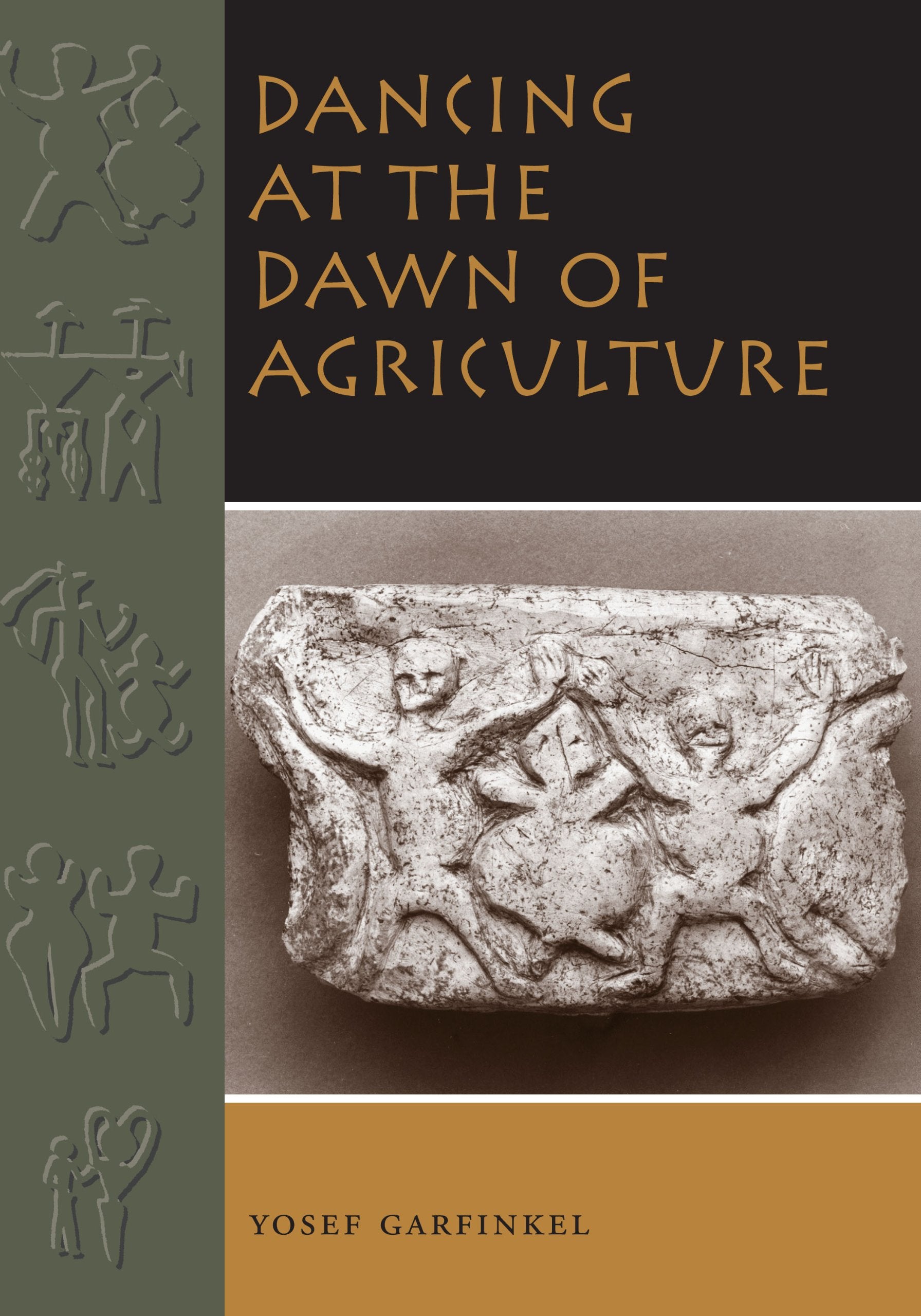
As the nomadic hunters and gatherers of the ancient Near East turned to agriculture for their livelihood and settled into villages, religious ceremonies involving dancing became their primary means for bonding individuals into communities and households into villages. So important was dance that scenes of dancing are among the oldest and most persistent themes in Near Eastern prehistoric art, and these depictions of dance accompanied the spread of agriculture into surrounding regions of Europe and Africa.In this pathfinding book, Yosef Garfinkel analyzes depictions of dancing found on archaeological objects from the Near East, southeastern Europe, and Egypt to offer the first comprehensive look at the role of dance in these Neolithic (70004000 BC) societies. In the first part of the book, Garfinkel examines the structure of dance, its functional roles in the community (with comparisons to dance in modern prestate societies), and its cognitive, or symbolic, aspects. This analysis leads him to assert that scenes of dancing depict real community rituals linked to the agricultural cycle and that dance was essential for maintaining these calendrical rituals and passing them on to succeeding generations. In the concluding section of the book, Garfinkel presents and discusses the extensive archaeological datasome 400 depictions of danceon which his study is based.
⚠️ WARNING (California Proposition 65):
This product may contain chemicals known to the State of California to cause cancer,
birth defects, or other reproductive harm.
For MAP (Minimum Advertised Price) violations and Intellectual Property (IP) or Trademark concerns, please contact:
support@ergodebooks.com
⚠️ California Proposition 65 Warning: Some products sold on this website may expose you to chemicals known to the State of California to cause cancer, birth defects, or other reproductive harm. For more information, visit www.P65Warnings.ca.gov.