
Title

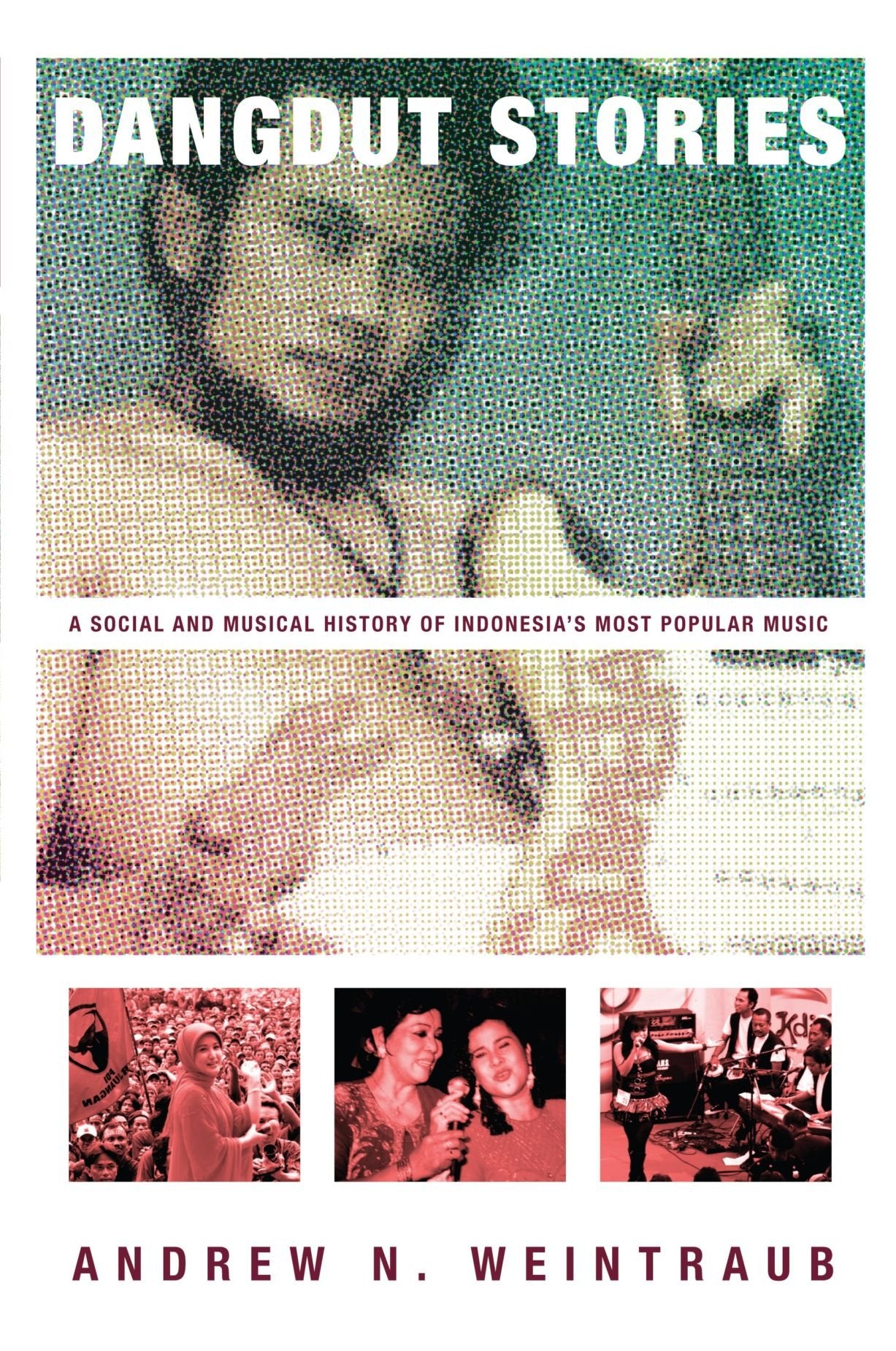
Dangdut Stories: A Social and Musical History of Indonesia's Most Popular Music,Used
Sold by Ergodebooks, an authorized reseller.
Returns accepted within 30 days | support@ergodebooks.com
Shipping Information
- Free Standard Shipping — United States only
- Processing Time: 3–5 business days
- Estimated Delivery: 6–10 business days after dispatch
- Double-boxed, fully insured & discreetly packaged
- Tracking number sent via email once dispatched
Returns & Refund
Returns accepted within 30 days of delivery.
Damaged or Defective Item
Free return shipping + replacement or full refund
Wrong Item Received
Free return shipping + replacement or full refund
Change of Mind
Return shipping at customer's expense · 25% restocking fee applies
Payment Option

A keen critic of culture in modern Indonesia, Andrew N. Weintraub shows how a genre of Indonesian music called dangdut evolved from a denigrated form of urban popular music to a prominent role in Indonesian cultural politics and the commercial music industry. Dangdutnamed onomatopoetically for the music's characteristic drum sounds "dang" and "dut"is Indonesia's most popular music, heard in streets and homes, public parks and narrow alleyways, stores and restaurants, and all forms of public transportation. Despite dangdut's tremendous popularity in Indonesia and other parts of Asia, it has seldom received the serious critical attention it deserves.Dangdut Stories is a social and musical history of dangdut within a range of broader narratives about class, gender, ethnicity, and nation in postindependence Indonesia (1945present). Quoted material from interviews, detailed analysis of music and song texts, and ethnography of performance illuminate the stylistic nature of the music and its centrality in public debates about Islam, social class relations, and the role of women in postcolonial Indonesia.Dangdut Stories is the first musicological study to examine the stylistic development of dangdut music itself, using vocal style, melody, rhythm, form, and song texts to articulate symbolic struggles over meaning. Throughout the book the voices and experiences of musicians take center stage in shaping the book's narrative. Dangdut was first developed during the early 1970s, and an historical treatment of the genre's musical style, performance practice, and social meanings is long overdue.
⚠️ WARNING (California Proposition 65):
This product may contain chemicals known to the State of California to cause cancer, birth defects, or other reproductive harm.
For more information, please visit www.P65Warnings.ca.gov.