
Title

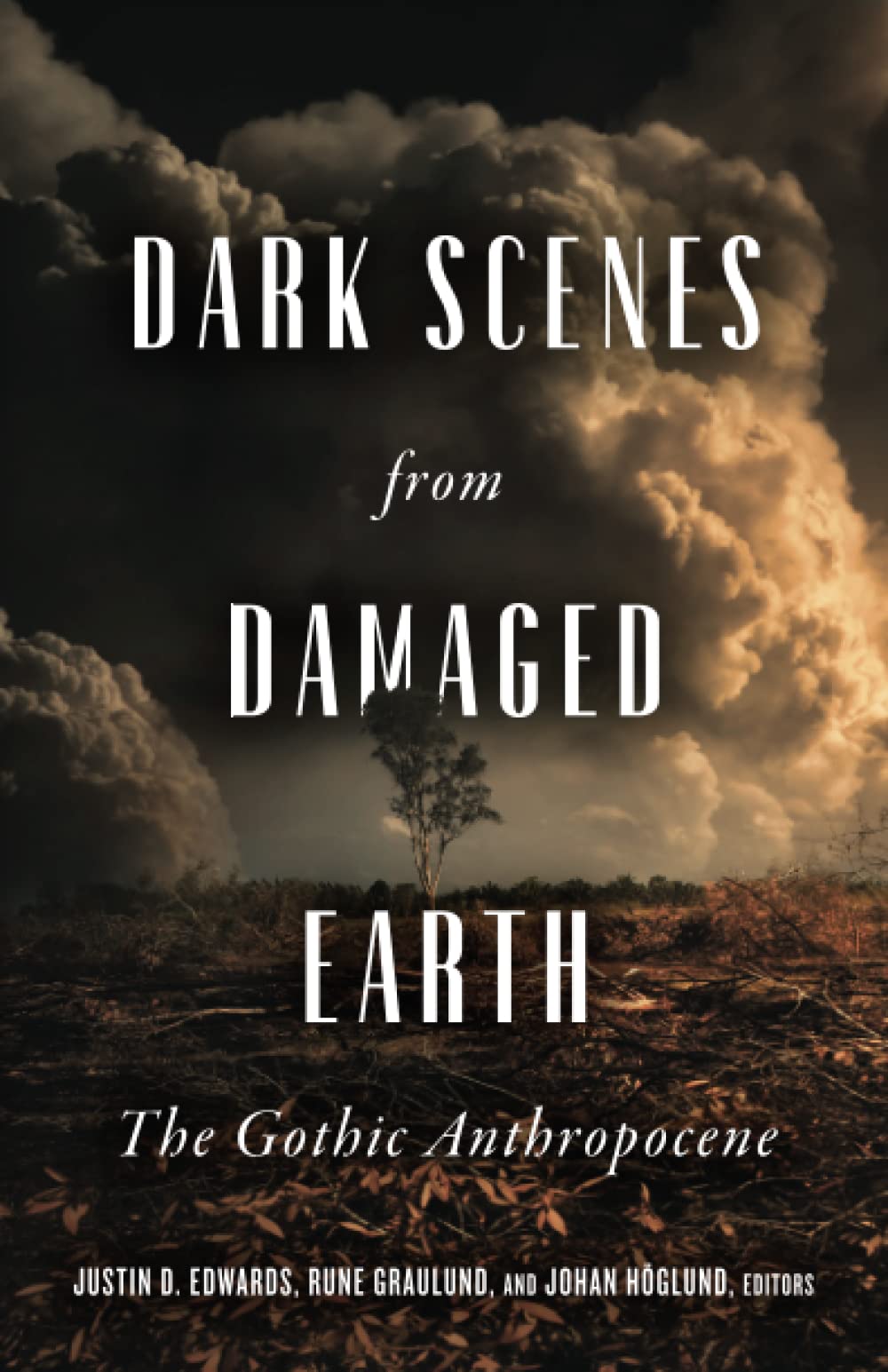
Dark Scenes From Damaged Earth: The Gothic Anthropocene
Sold by Ergodebooks, an authorized reseller.
Returns accepted within 30 days | support@ergodebooks.com
Shipping Information
- Free Standard Shipping — United States only
- Processing Time: 3–5 business days
- Estimated Delivery: 6–10 business days after dispatch
- Double-boxed, fully insured & discreetly packaged
- Tracking number sent via email once dispatched
Returns & Refund
Returns accepted within 30 days of delivery.
Damaged or Defective Item
Free return shipping + replacement or full refund
Wrong Item Received
Free return shipping + replacement or full refund
Change of Mind
Return shipping at customer's expense · 25% restocking fee applies
Payment Option

An Urgent Volume Of Essays Engages The Gothic To Advance Important Perspectives On Our Geological Erawhat Can The Gothic Teach Us About Our Current Geological Era? More Than Just Spooky, Moonlit Castles And Morbid Graveyards, The Gothic Represents A Vibrant, Emergent Perspective On The Anthropocene. In This Volume, More Than A Dozen Scholars Move Beyond Longstanding Perspectives On The Anthropocenesuch As Science Fiction And Apocalyptic Narrativesto Show That The Gothic Offers A Unique (And Dark) Interpretation Of Events Like Climate Change, Diminished Ecosystems, And Mass Extinction.Embracing Pop Cultural Phenomena Like True Detective, Jaws, And Twin Peaks, As Well As Topics From The New Weird And Prehistoric Shark Fiction To Ruin Porn And The Monstroscene, Dark Scenes From Damaged Earth Demonstrates The Continuing Vitality Of The Gothic While Opening Important New Paths Of Inquiry. These Essays Map A Genealogy Of The Gothic While Providing Fresh Perspectives On The Ongoing Climate Chaos, The North/South Divide, Issues Of Racialization, Dark Ecology, Questions Surrounding Environmental Justice, And Much More.Contributors: Fred Botting, Kingston U; Timothy Clark, U Of Durham; Rebecca Duncan, Linnaeus U; Michael Fuchs, U Of Oldenburg, Germany; Esthie Hugo, U Of Warwick; Dawn Keetley, Lehigh U; Laura R. Kremmel, South Dakota School Of Mines And Technology; Timothy Morton, Rice U; Barry Murnane, U Of Oxford; Jennifer Schell, U Of Alaska Fairbanks; Lisa M. Vetere, Monmouth U; Sara Wasson, Lancaster U; Jeffrey Andrew Weinstock, Central Michigan U.
⚠️ WARNING (California Proposition 65):
This product may contain chemicals known to the State of California to cause cancer, birth defects, or other reproductive harm.
For more information, please visit www.P65Warnings.ca.gov.
- Q: What is the page count of this book? A: This book has three hundred seventy-two pages. It provides a comprehensive exploration of Gothic themes in relation to the Anthropocene.
- Q: What are the dimensions of this book? A: The book measures five point five one inches in length, one inch in width, and eight point five inches in height. These dimensions make it portable for reading.
- Q: What type of binding does this book have? A: This book is paperback bound. This type of binding allows for flexibility and ease of handling while reading.
- Q: Who is the author of this book? A: The author is Justin D. Edwards. He explores Gothic literature and its implications for understanding contemporary environmental issues.
- Q: What category does this book belong to? A: This book falls under the category of Performing Arts. It engages with literary analysis and cultural critique.
- Q: How do I read this book effectively? A: To read this book effectively, consider taking notes on major themes and arguments. The essays are academic and provide diverse viewpoints.
- Q: Is this book suitable for academic study? A: Yes, this book is suitable for academic study. It includes contributions from various scholars and addresses significant contemporary issues.
- Q: What themes are explored in this book? A: The book explores themes like climate change, environmental justice, and the Gothic's interpretation of the Anthropocene. It brings together scholarly perspectives.
- Q: Can this book be used in a classroom setting? A: Yes, this book can be used in a classroom setting. It offers rich discussions that can stimulate critical thinking and debate among students.
- Q: How should I care for this book? A: To care for this book, store it upright in a cool, dry place. Avoid exposure to direct sunlight to prevent fading.
- Q: Is this book safe for children? A: No, this book is not specifically designed for children. It contains complex themes and advanced literary analysis suited for adults.
- Q: What should I do if the book arrives damaged? A: If the book arrives damaged, contact the seller immediately to initiate a return or exchange process. Most sellers have customer service policies in place.
- Q: How do I clean this book? A: To clean this book, lightly dust the cover with a soft cloth. Avoid using liquids or harsh chemicals that could damage the pages.
- Q: What if I want to use it for a research paper? A: This book is ideal for a research paper. It offers scholarly essays that provide a strong foundation for arguments related to Gothic literature and environmental themes.
- Q: Are there any similar books to this one? A: Yes, books on Gothic literature and environmental humanities may be similar. Look for titles that explore similar themes in literature and ecology.
- Q: What is the publisher of this book? A: The publisher of this book is the University of Minnesota Press. They focus on academic and scholarly works that contribute to various fields.