
Title
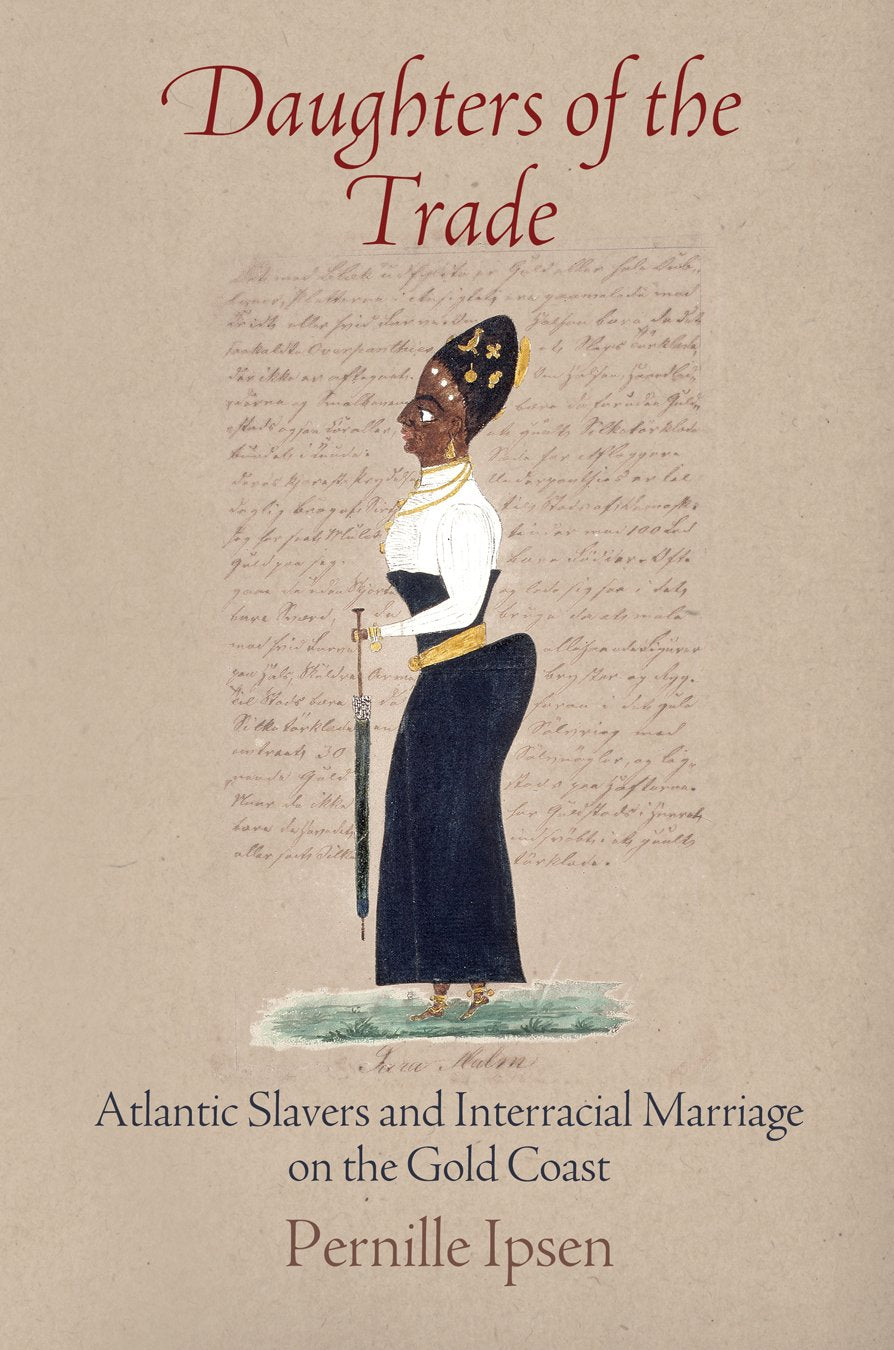
Daughters of the Trade: Atlantic Slavers and Interracial Marriage on the Gold Coast (The Early Modern Americas),Used
Sold by Ergodebooks, an authorized reseller.
Returns accepted within 30 days | support@ergodebooks.com
Shipping Information
- Free Standard Shipping — United States only
- Processing Time: 3–5 business days
- Estimated Delivery: 6–10 business days after dispatch
- Double-boxed, fully insured & discreetly packaged
- Tracking number sent via email once dispatched
Returns & Refund
Returns accepted within 30 days of delivery.
Damaged or Defective Item
Free return shipping + replacement or full refund
Wrong Item Received
Free return shipping + replacement or full refund
Change of Mind
Return shipping at customer's expense · 25% restocking fee applies
Payment Option

Severine Brock's first language was Ga, yet it was not surprising when, in 1842, she married Edward Carstensen. He was the last governor of Christiansborg, the fort that, in the eighteenth century, had been the center of Danish slave trading in West Africa. She was the descendant of Gaspeaking women who had married Danish merchants and traders. Their marriage would have been familiar to Gold Coast traders going back nearly 150 years. In Daughters of the Trade, Pernille Ipsen follows five generations of marriages between African women and Danish men, revealing how interracial marriage created a EuroAfrican hybrid culture specifically adapted to the Atlantic slave trade.Although interracial marriage was prohibited in European colonies throughout the Atlantic world, in Gold Coast slavetrading towns it became a recognized and respected custom. Cassare, or 'keeping house,' gave European men the support of African women and their kin, which was essential for their survival and success, while African families made alliances with European traders and secured the legitimacy of their offspring by making the unions official.For many years, EuroAfrican families lived in close proximity to the violence of the slave trade. Sheltered by their Danish names and connections, they grew wealthy and influential. But their powerful position on the Gold Coast did not extend to the broader Atlantic world, where the link between blackness and slavery grew stronger, and where EuroAfrican descent did not guarantee privilege. By the time Severine Brock married Edward Carstensen, their world had changed. Daughters of the Trade uncovers the vital role interracial marriage played in the coastal slave trade, the production of racial difference, and the increasing stratification of the early modern Atlantic world.
⚠️ WARNING (California Proposition 65):
This product may contain chemicals known to the State of California to cause cancer, birth defects, or other reproductive harm.
For more information, please visit www.P65Warnings.ca.gov.