
Title
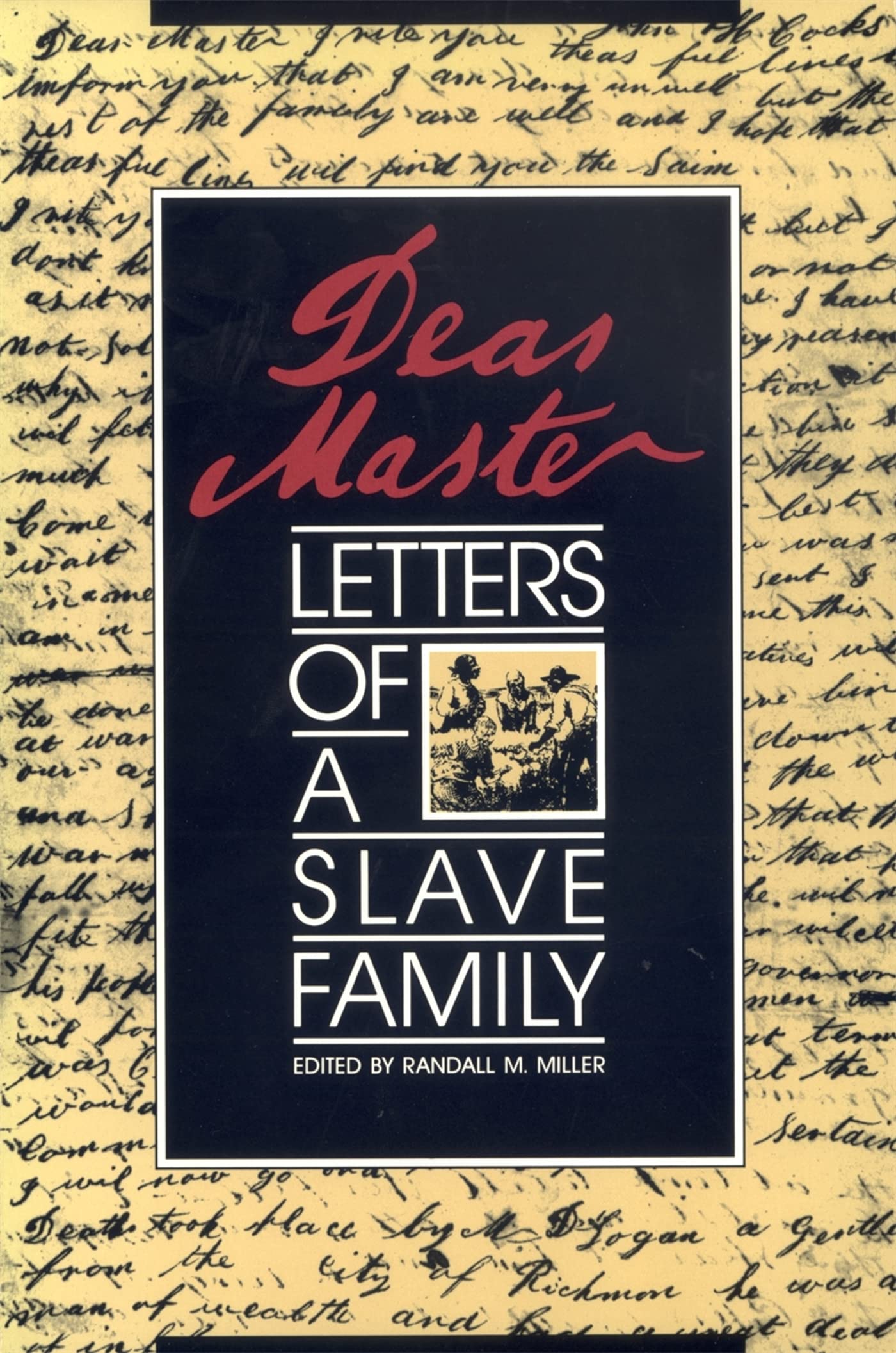
Dear Master: Letters Of A Slave Family (Brown Thrasher Books Ser.),Used
Sold by Ergodebooks, an authorized reseller.
Returns accepted within 30 days | support@ergodebooks.com
Shipping Information
- Free Standard Shipping — United States only
- Processing Time: 3–5 business days
- Estimated Delivery: 6–10 business days after dispatch
- Double-boxed, fully insured & discreetly packaged
- Tracking number sent via email once dispatched
Returns & Refund
Returns accepted within 30 days of delivery.
Damaged or Defective Item
Free return shipping + replacement or full refund
Wrong Item Received
Free return shipping + replacement or full refund
Change of Mind
Return shipping at customer's expense · 25% restocking fee applies
Payment Option

Dear Master' is a rare firsthand look at the values, selfperception, and private life of the black American slave. The fullest known record left by an American slave family, this collection of more than two hundred lettersincluding seven discovered since the book's original appearancereveals the relationship of two generations of the Skipwith family with the Virginia planter John Hartwell Cocke.The letters, dating from 1834 to 1865, fall into two groups. The first were written by Peyton Skipwith and his children from Liberia, where they settled after being freed in 1833 by Cocke, a devout Christian and enlightened slaveholder. The letters, which tell of harsh frontier life, reveal the American values the Skipwiths took with them to Africa, and express their faith in Liberia's future and pride in their accomplishments.The second group of letters, written by George Skipwith and his daughter Lucy, originate from Cocke's Alabama plantation, an experimental work community to which Cocke sent his most talented, responsible slaves to prepare them for the moral and educational challenges of emancipation. George, a 'privileged bondsman,' was a slave driver. His letters about the management of the plantation include reports on the slaves' conduct and any disciplinary actions he took. Readers can sense George's pride in his work and also his ambivalence toward his role as leader in the slave hierarchy.Lucy, Cocke's chief domestic slave, was the plantation nurse and teacher. Her letters, filled with details about spiritual, familial, and health matters, also display her skill at exploiting her master's trust and her uncommon boldness, for she spoke against whites to her master when she felt they hampered his slaves' education.'Dear Master' affirms that these slaves and former slaves were not simply victims; they were actors in a complex human drama. The letters imply trust and affection between master and slave, but there were other motives as well for the letterwriting. The Liberian Skipwiths needed Americanmade supplies; moreover, the whole family may have viewed their relationship with Cocke as a chance to help free other slaves. In his new preface, Miller reevaluates his book in light of changes in the historiography of American slavery over the past decade.
⚠️ WARNING (California Proposition 65):
This product may contain chemicals known to the State of California to cause cancer, birth defects, or other reproductive harm.
For more information, please visit www.P65Warnings.ca.gov.