
Title
Death and Conversion in the Andes: Lima and Cuzco, 15321670 (History, Languages, and Cultures of the Spanish and Portuguese Wor,Used
Sold by Ergodebooks, an authorized reseller.
Returns accepted within 30 days | support@ergodebooks.com
Shipping Information
- Free Standard Shipping — United States only
- Processing Time: 3–5 business days
- Estimated Delivery: 6–10 business days after dispatch
- Double-boxed, fully insured & discreetly packaged
- Tracking number sent via email once dispatched
Returns & Refund
Returns accepted within 30 days of delivery.
Damaged or Defective Item
Free return shipping + replacement or full refund
Wrong Item Received
Free return shipping + replacement or full refund
Change of Mind
Return shipping at customer's expense · 25% restocking fee applies
Payment Option

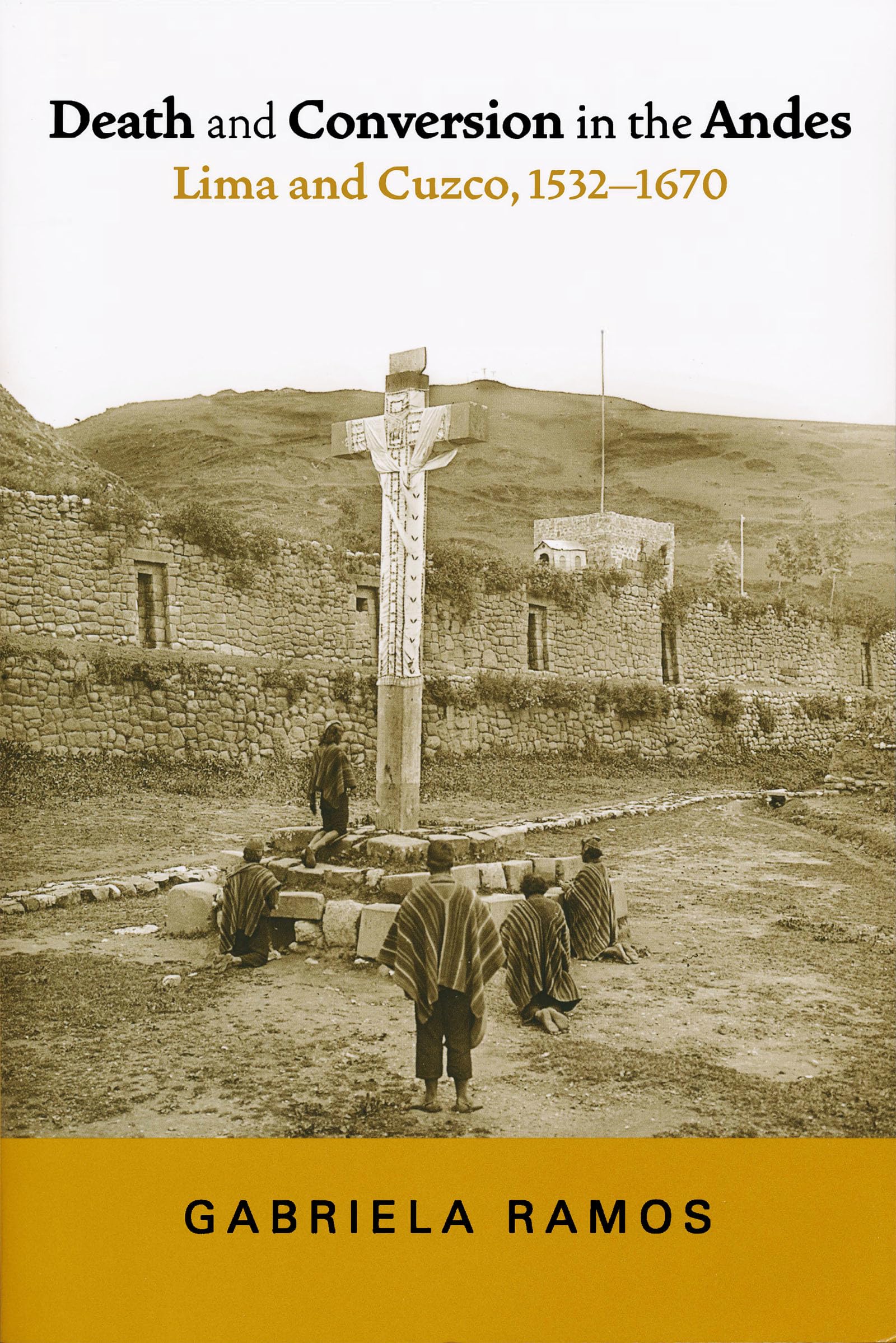
When the Spanish invaded the Inca empire in 1532, the cult of the ancestors was an essential feature of preColumbian religion throughout the Andes. The dead influenced politics, protected the living, symbolized the past, and legitimized claims over the land their descendants occupied, while the living honored the presence of the dead in numerous aspects of daily life. A central purpose of the Spanish missionary endeavor was to suppress the Andean cult of the ancestors and force the indigenous people to adopt their Catholic, legal, and cultural views concerning death. In her book, Gabriela Ramos reveals the extent to which Christianizing death was essential for the conversion of the indigenous population to Catholicism.Ramos argues that understanding the relation between death and conversion in the Andes involves not only considering the obvious attempts to destroy the cult of the dead, but also investigating a range of policies and strategies whose application demanded continuous negotiation between Spaniards and Andeans. Drawing from historical, archaeological, and anthropological research and a wealth of original archival materials, especially the last wills and testaments of indigenous Andeans, Ramos looks at the Christianization of death as it affected the lives of inhabitants of two principal cities of the Peruvian viceroyalty: Lima, the new capital founded on the Pacific coast by the Spanish, and Cuzco, the old capital of the Incas in the Andean highlands. Her study of the wills in particular demonstrates the strategies that Andeans devised to submit to Spanish law and Christian doctrine, preserve bonds of kinship, and cement their place in colonial society.
⚠️ WARNING (California Proposition 65):
This product may contain chemicals known to the State of California to cause cancer, birth defects, or other reproductive harm.
For more information, please visit www.P65Warnings.ca.gov.