
Title
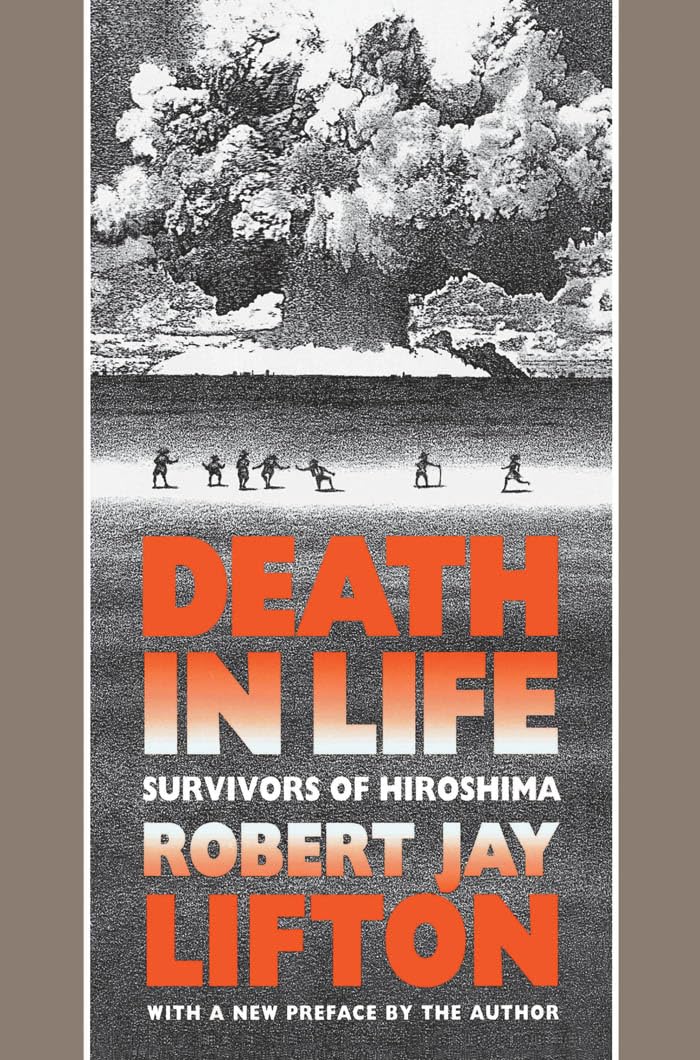
Death In Life: Survivors Of Hiroshima,Used
Sold by Ergodebooks, an authorized reseller.
Returns accepted within 30 days | support@ergodebooks.com
Shipping Information
- Free Standard Shipping — United States only
- Processing Time: 3–5 business days
- Estimated Delivery: 6–10 business days after dispatch
- Double-boxed, fully insured & discreetly packaged
- Tracking number sent via email once dispatched
Returns & Refund
Returns accepted within 30 days of delivery.
Damaged or Defective Item
Free return shipping + replacement or full refund
Wrong Item Received
Free return shipping + replacement or full refund
Change of Mind
Return shipping at customer's expense · 25% restocking fee applies
Payment Option

In Japan, 'Hibakusha' Means 'The People Affected By The Explosionspecifically, The Explosion Of The Atomic Bomb In Hiroshima In 1945. In This Classic Study, Winner Of The 1969 National Book Award In Science, Lifton Studies The Psychological Effects Of The Bomb On 90,000 Survivors. He Sees This Analysis As Providing A Last Chance To Understandand Be Motivated To Avoidnuclear War. This Compassionate Treatment Is A Significant Contribution To The Atomic Age.
⚠️ WARNING (California Proposition 65):
This product may contain chemicals known to the State of California to cause cancer, birth defects, or other reproductive harm.
For more information, please visit www.P65Warnings.ca.gov.
- Q: How many pages does the book have? A: This book has six hundred six pages. It provides an in-depth exploration of the psychological impact of the Hiroshima bombing.
- Q: What are the dimensions of the book? A: The book measures six inches in length, one point three five inches in width, and nine inches in height. These dimensions make it a convenient size for reading.
- Q: What type of binding does this book have? A: This book is paperback bound. This binding style is lightweight and flexible, making it easy to carry.
- Q: Who is the author of 'Death in Life: Survivors of Hiroshima'? A: The author is Robert Jay Lifton. He is known for his significant contributions to the understanding of the psychological effects of nuclear warfare.
- Q: What is the primary focus of this book? A: The book focuses on the psychological effects of the atomic bomb on survivors in Hiroshima. It aims to provide insights that can help prevent future nuclear conflicts.
- Q: Is this book suitable for young readers? A: This book may not be suitable for young readers due to its mature themes. It discusses the traumatic impact of war and nuclear violence.
- Q: How should I read this book for best understanding? A: To fully grasp the complexities presented, it is recommended to read this book slowly and reflectively. Taking notes might help with understanding key concepts.
- Q: Can I find this book in libraries? A: Yes, this book is often available in libraries. Check your local library's catalog for availability.
- Q: Is there a specific audience for this book? A: Yes, this book is primarily aimed at readers interested in psychology, history, and the effects of war. It is suitable for adults and academic audiences.
- Q: What condition is the used book in? A: The book is described as being in good condition. This typically means it is gently used with minimal wear.
- Q: How can I keep this book in good condition? A: To maintain the book's condition, store it in a cool, dry place and avoid exposure to direct sunlight. Consider using a bookmark instead of folding pages.
- Q: Are there any special care instructions for this book? A: There are no special care instructions for this paperback book. Just handle it gently and avoid excessive bending.
- Q: How should I store this book? A: Store this book upright on a shelf or flat in a drawer. Keep it away from moisture to prevent damage.
- Q: What if the book arrives damaged? A: If the book arrives damaged, contact the seller for a return or replacement. Most sellers have a return policy for such cases.
- Q: Can I return this book if I don't like it? A: Yes, most sellers allow returns if you are unsatisfied. Be sure to check the specific return policy before purchasing.
- Q: What should I do if I have questions about the book? A: If you have questions, consider reaching out to the seller or checking online resources. Reviews and forums can also provide insights.