
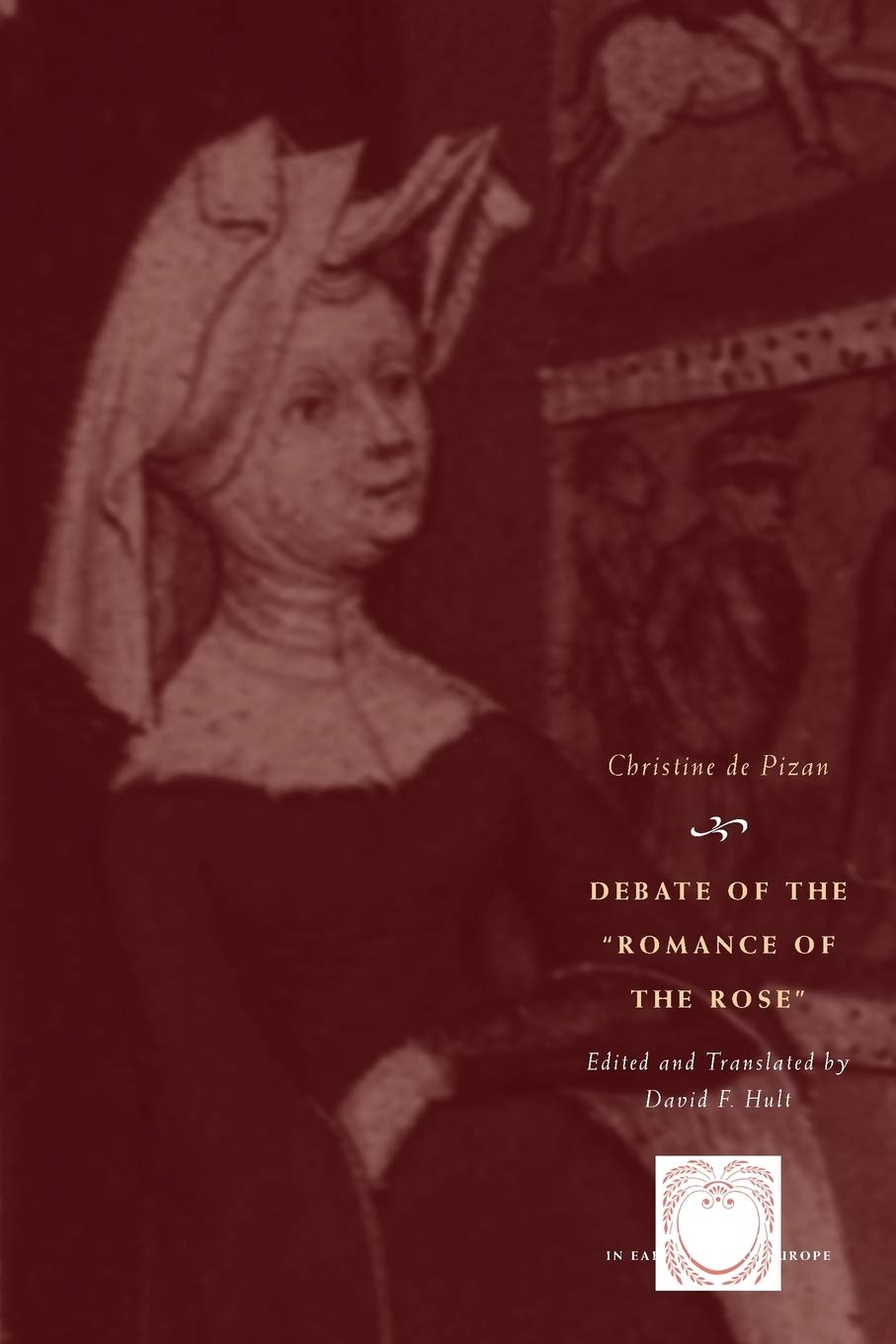
Title


Debate Of The Romance Of The Rose (The Other Voice In Early Modern Europe)
Sold by Ergodebooks, an authorized reseller.
Returns accepted within 30 days | support@ergodebooks.com
Shipping Information
- Free Standard Shipping — United States only
- Processing Time: 3–5 business days
- Estimated Delivery: 6–10 business days after dispatch
- Double-boxed, fully insured & discreetly packaged
- Tracking number sent via email once dispatched
Returns & Refund
Returns accepted within 30 days of delivery.
Damaged or Defective Item
Free return shipping + replacement or full refund
Wrong Item Received
Free return shipping + replacement or full refund
Change of Mind
Return shipping at customer's expense · 25% restocking fee applies
Payment Option

In 1401, Christine De Pizan (13651430?), One Of The Most Renowned And Prolific Woman Writers Of The Middle Ages, Wrote A Letter To The Provost Of Lille Criticizing The Highly Popular And Widely Read Romance Of The Rose For Its Blatant And Unwarranted Misogynistic Depictions Of Women. The Debate That Ensued, Over Not Only The Merits Of The Treatise But Also Of The Place Of Women In Society, Started Europe On The Long Path To Gender Parity. Pizans Criticism Sparked A Continentwide Discussion Of Issues That Is Still Alive Today In Disputes About Art And Morality, Especially The Civic Responsibility Of A Writer Or Artist For The Works He Or She Produces.In Debate Of The Romance Of The Rose, David Hult Collects, Along With The Debate Documents Themselves, Letters, Sermons, And Excerpts From Other Works Of Pizan, Including One From City Of Ladiesher Major Defense Of Women And Their Rightsthat Give Context To This Debate. Here, Pizans Supporters And Detractors Are Heard Alongside Her Own Formidable, Protofeminist Voice. The Resulting Volume Affords A Rare Look At The Way People Read And Thought About Literature In The Period Immediately Preceding The Era Of Print.
⚠️ WARNING (California Proposition 65):
This product may contain chemicals known to the State of California to cause cancer, birth defects, or other reproductive harm.
For more information, please visit www.P65Warnings.ca.gov.
- Q: How many pages does this book have? A: This book has three hundred eighty-four pages. It provides an in-depth look at Christine de Pizan's critique of misogyny in literature.
- Q: What are the dimensions of this book? A: The book measures six inches in length, zero point seventy-one inches in width, and nine point zero two inches in height. These dimensions make it a standard-sized paperback.
- Q: What is the binding type of this book? A: This book is paperback bound. The paperback format makes it lightweight and easy to handle.
- Q: Who is the author of this book? A: The author is Christine de Pizan, a notable woman writer from the Middle Ages. Her works often address themes of feminism and women's rights.
- Q: What genre does this book fall under? A: This book falls under the Criticism and Theory genre. It engages with literary analysis and historical context.
- Q: How do I read and understand this book? A: You can read this book at your own pace, as it is suitable for anyone interested in literary criticism. Familiarity with medieval literature may enhance your understanding.
- Q: Is this book suitable for beginners? A: Yes, this book is suitable for beginners interested in feminist literature and literary criticism. It provides context that helps new readers grasp its themes.
- Q: What is the main theme of this book? A: The main theme is the critique of misogyny in literature, particularly in the Romance of the Rose. It explores gender roles and the responsibility of writers.
- Q: How do I care for this book? A: To care for this book, keep it in a dry place and avoid direct sunlight. This helps preserve the quality of the paperback binding.
- Q: Can I store this book with other paperbacks? A: Yes, you can store this book with other paperbacks. Ensure it is placed upright or laid flat to prevent bending.
- Q: What if my book arrives damaged? A: If your book arrives damaged, you can contact customer service for a return or exchange. Keep all packaging for reference.
- Q: Is there a warranty on this book? A: No, there is typically no warranty on books. However, you can check the retailer's return policy for more information.
- Q: How can I get support for my purchase? A: You can get support by contacting the retailer's customer service directly. They can assist with any inquiries or issues.
- Q: Is this book appropriate for children? A: No, this book is not appropriate for children due to its themes of misogyny and adult discussions. It is better suited for mature readers.
- Q: What makes this book relevant today? A: This book remains relevant today as it addresses ongoing discussions about gender parity and the role of women in literature and society.