
Title
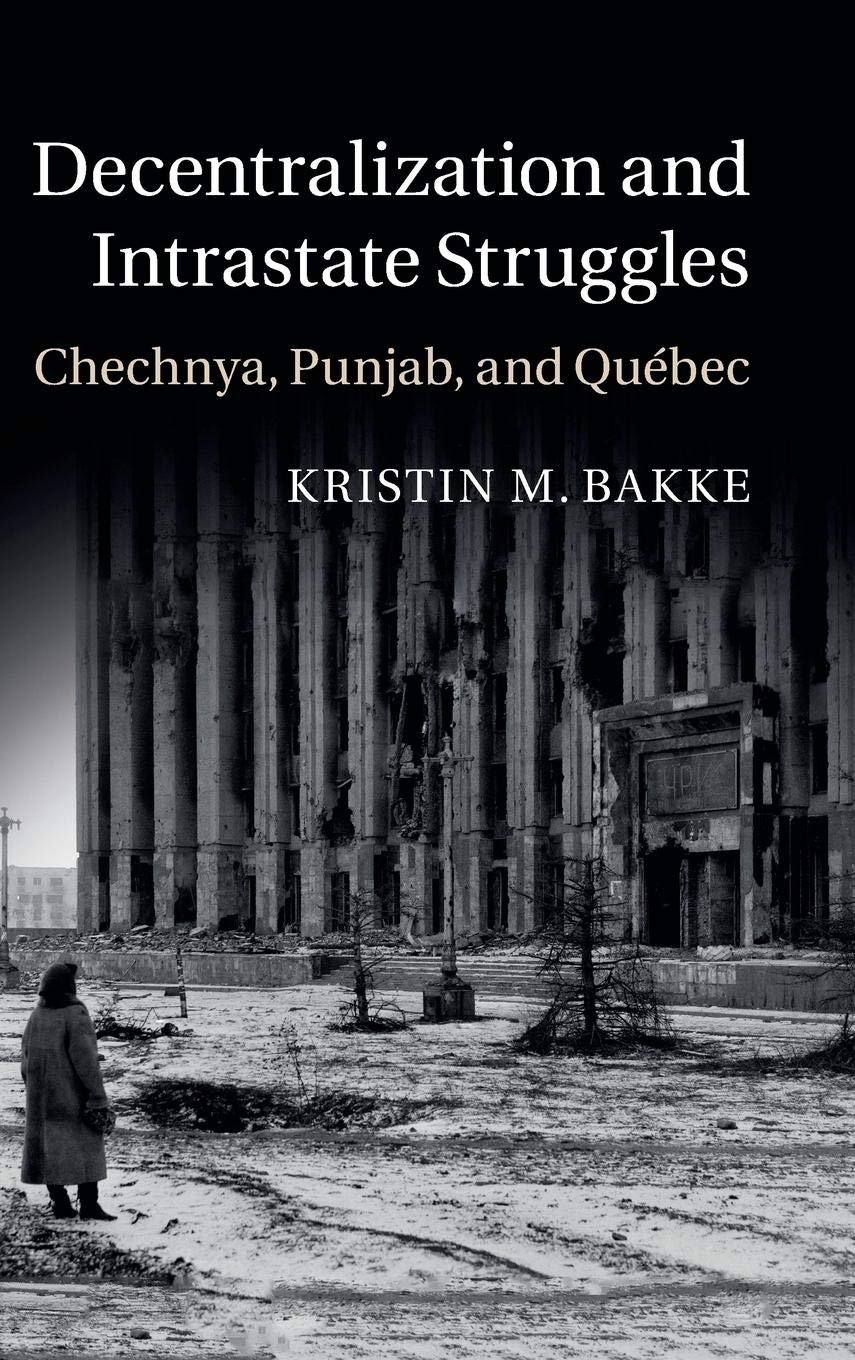
Decentralization and Intrastate Struggles: Chechnya, Punjab, and Qubec,Used
Sold by Ergodebooks, an authorized reseller.
Returns accepted within 30 days | support@ergodebooks.com
Shipping Information
- Free Standard Shipping — United States only
- Processing Time: 3–5 business days
- Estimated Delivery: 6–10 business days after dispatch
- Double-boxed, fully insured & discreetly packaged
- Tracking number sent via email once dispatched
Returns & Refund
Returns accepted within 30 days of delivery.
Damaged or Defective Item
Free return shipping + replacement or full refund
Wrong Item Received
Free return shipping + replacement or full refund
Change of Mind
Return shipping at customer's expense · 25% restocking fee applies
Payment Option

There is no onesizefitsall decentralized fix to deeply divided and conflictridden states. One of the hotly debated policy prescriptions for states facing selfdetermination demands is some form of decentralized governance including regional autonomy arrangements and federalism which grants minority groups a degree of selfrule. Yet the track record of existing decentralized states suggests that these have widely divergent capacity to contain conflicts within their borders. Through indepth case studies of Chechnya, Punjab, and Qubec, as well as a statistical crosscountry analysis, this book argues that while policy, fiscal, and political decentralization can, indeed, be peacepreserving at times, the effects of these institutions are conditioned by traits of the societies they (are meant to) govern. Decentralization may help preserve peace in one country or in one region, but it may have just the opposite effect in a country or region with different ethnic and economic characteristics.
⚠️ WARNING (California Proposition 65):
This product may contain chemicals known to the State of California to cause cancer, birth defects, or other reproductive harm.
For more information, please visit www.P65Warnings.ca.gov.