
Title
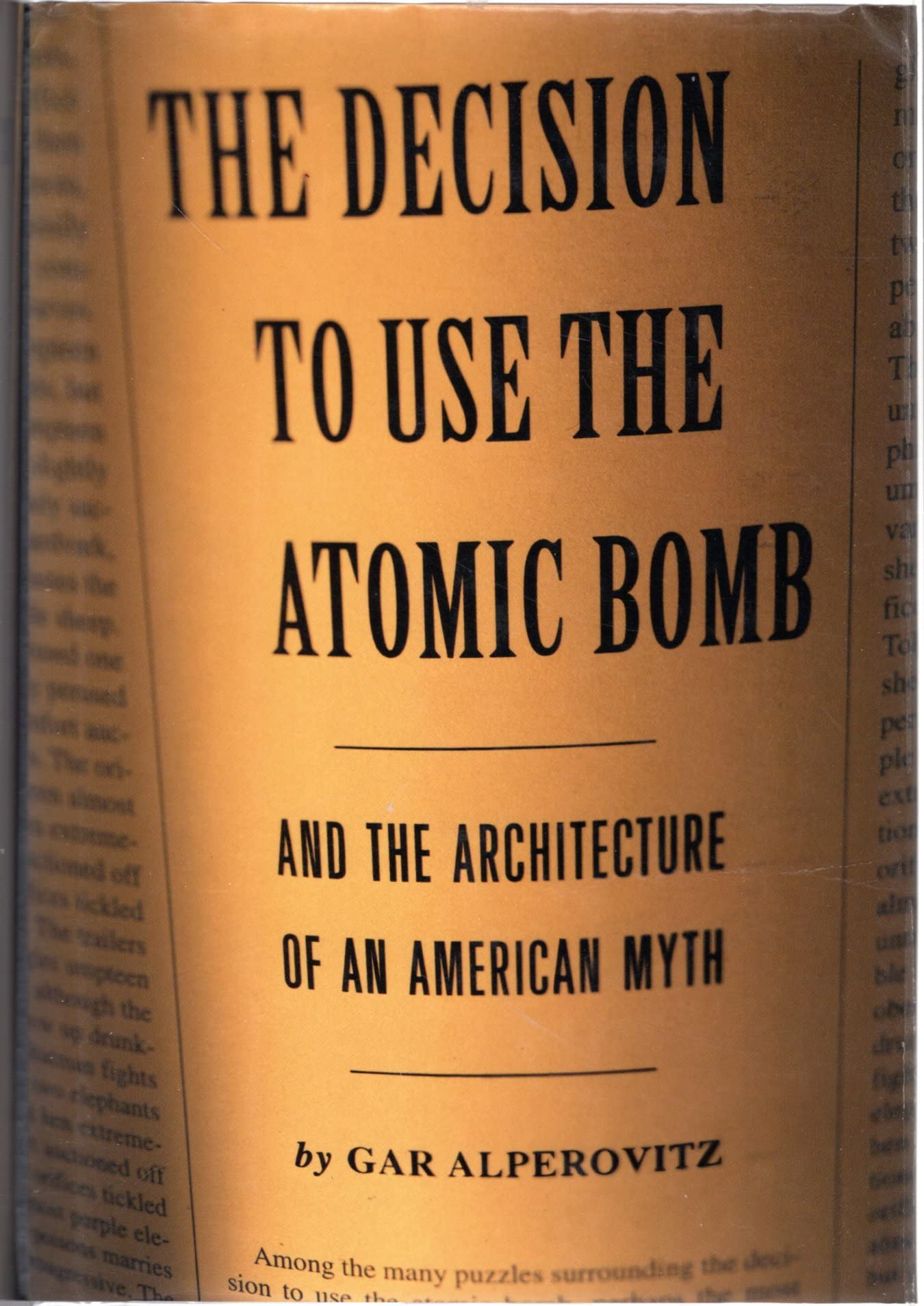
Decision To Use The Atomic Bomb: And The Architecture Of An American Myth
Sold by Ergodebooks, an authorized reseller.
Returns accepted within 30 days | support@ergodebooks.com
Shipping Information
- Free Standard Shipping — United States only
- Processing Time: 3–5 business days
- Estimated Delivery: 6–10 business days after dispatch
- Double-boxed, fully insured & discreetly packaged
- Tracking number sent via email once dispatched
Returns & Refund
Returns accepted within 30 days of delivery.
Damaged or Defective Item
Free return shipping + replacement or full refund
Wrong Item Received
Free return shipping + replacement or full refund
Change of Mind
Return shipping at customer's expense · 25% restocking fee applies
Payment Option

Stating That The United States Did Not Have To Use The Atomic Bomb In Order To Win The War, A Detailed Study Profiles A Defeated Japan While Citing The Influences Of Such Figures As Dwight Eisenhower And James F. Byrnes On The Decision. 50,000 First Printing. Tour.
⚠️ WARNING (California Proposition 65):
This product may contain chemicals known to the State of California to cause cancer, birth defects, or other reproductive harm.
For more information, please visit www.P65Warnings.ca.gov.
- Q: How many pages does this book have? A: This book has eight hundred forty-three pages. It provides an in-depth analysis of the decision to use the atomic bomb during World War II.
- Q: What is the binding type of this book? A: The binding type is hardcover. This ensures durability and a premium feel for long-term reading.
- Q: What are the dimensions of this book? A: The dimensions are seven point zero one inches in length, two point two five inches in width, and nine point five inches in height.
- Q: Who is the author of this book? A: The author is Gar Alperovitz. He is known for his scholarly works on American history and political science.
- Q: What genre does this book belong to? A: This book belongs to the World War II genre. It explores historical events and decisions during that significant period.
- Q: Is this book suitable for young readers? A: This book is not specifically designed for young readers. It contains complex themes related to history and warfare.
- Q: How do I care for this hardcover book? A: To care for this hardcover book, keep it in a cool, dry place and avoid direct sunlight to prevent fading.
- Q: Can I clean this book if it gets dirty? A: Yes, you can gently wipe the cover with a soft, dry cloth. Avoid using any liquids which could damage the pages.
- Q: What should I do if the book arrives damaged? A: If the book arrives damaged, you should contact the seller immediately for a return or replacement.
- Q: Is this book a good choice for history buffs? A: Yes, this book is an excellent choice for history buffs. It provides detailed insights into the atomic bomb decision and its implications.
- Q: How does this book compare to other World War II literature? A: This book offers a unique perspective by focusing on the decision-making process rather than just events, making it stand out in World War II literature.
- Q: What if I have questions about the book's content? A: If you have questions about the book's content, consider reaching out to book clubs or online forums where readers discuss historical themes.
- Q: Is there a warranty or guarantee on this book? A: Typically, books do not come with warranties, but you may be able to return it if it is damaged or defective.
- Q: Can I find this book in a digital format? A: Yes, this book may be available in digital format from various online retailers. Check eBook platforms for availability.
- Q: What influences are discussed in this book? A: The book discusses influences from notable figures such as Dwight Eisenhower and James F. Byrnes on the atomic bomb decision.
- Q: Is this book a first edition? A: Yes, this book is part of a first printing with fifty thousand copies published. It reflects the initial release of the author's insights.