
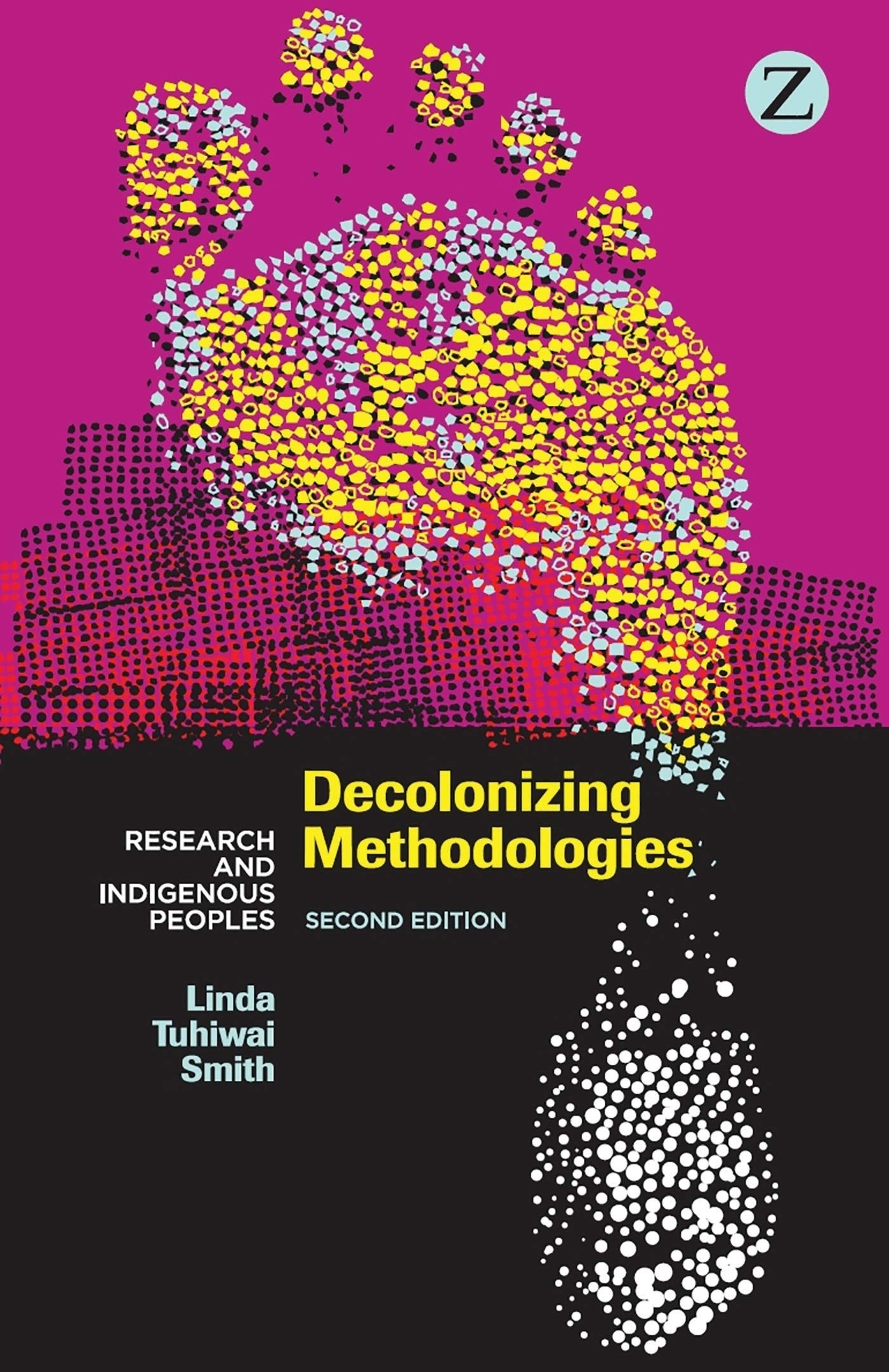
Title
Decolonizing Methodologies: Research and Indigenous Peoples,New
Sold by Ergodebooks, an authorized reseller.
Returns accepted within 30 days | support@ergodebooks.com
Shipping Information
- Free Standard Shipping — United States only
- Processing Time: 3–5 business days
- Estimated Delivery: 6–10 business days after dispatch
- Double-boxed, fully insured & discreetly packaged
- Tracking number sent via email once dispatched
Returns & Refund
Returns accepted within 30 days of delivery.
Damaged or Defective Item
Free return shipping + replacement or full refund
Wrong Item Received
Free return shipping + replacement or full refund
Change of Mind
Return shipping at customer's expense · 25% restocking fee applies
Payment Option

To the colonized, the term 'research' is conflated with European colonialism; the ways in which academic research has been implicated in the throes of imperialism remains a painful memory. This essential volume explores intersections of imperialism and research specifically, the ways in which imperialism is embedded in disciplines of knowledge and tradition as 'regimes of truth.' Concepts such as 'discovery' and 'claiming' are discussed and an argument presented that the decolonization of research methods will help to reclaim control over indigenous ways of knowing and being.Now in its eagerly awaited second edition, this bestselling book has been substantially revised, with new casestudies and examples and important additions on new indigenous literature, the role of research in indigenous struggles for social justice, which brings this essential volume urgently uptodate.
⚠️ WARNING (California Proposition 65):
This product may contain chemicals known to the State of California to cause cancer, birth defects, or other reproductive harm.
For more information, please visit www.P65Warnings.ca.gov.
- Q: How many pages are in 'Decolonizing Methodologies'? A: This book contains two hundred forty pages. It provides a comprehensive exploration of research and indigenous perspectives.
- Q: What is the binding type of this book? A: The binding type is paperback. This makes it lightweight and flexible for easy handling.
- Q: What are the dimensions of the book? A: The book measures five point four four inches in length, zero point eight inches in width, and eight point five inches in height. These dimensions make it convenient for reading and storage.
- Q: Who is the author of 'Decolonizing Methodologies'? A: The author is Linda Tuhiwai Smith. She is a prominent figure in the field of indigenous research.
- Q: What genre does this book belong to? A: This book falls under the category of Indigenous Peoples. It addresses critical themes related to research and colonialism.
- Q: Is this book suitable for beginners in indigenous studies? A: Yes, this book is suitable for beginners. It presents fundamental concepts in an accessible manner, making it ideal for newcomers.
- Q: How can I apply the concepts from this book? A: You can apply the concepts by integrating indigenous perspectives into your research methods. This book emphasizes decolonization as a pathway to understanding.
- Q: Is this book appropriate for academic use? A: Yes, this book is appropriate for academic use. It is widely referenced in discussions about indigenous methodologies.
- Q: How should I care for this paperback book? A: To care for this book, store it in a cool, dry place and avoid exposure to direct sunlight. This will help maintain its condition.
- Q: What is the shelf life of this book? A: Books do not have a specific shelf life, but proper care will ensure it remains in good condition for years. Avoid moisture and excessive handling.
- Q: What should I do if the book arrives damaged? A: If the book arrives damaged, contact the seller for a return or replacement. Most sellers have policies for such situations.
- Q: Can I return this book if I don't like it? A: Yes, you can typically return the book if you're unsatisfied. Check the seller's return policy for specific details.
- Q: What if I need help understanding a concept in the book? A: If you need help, consider looking for supplementary materials or discussion groups focused on indigenous studies. These resources can aid comprehension.
- Q: How does this book compare to other works on indigenous research? A: This book is often considered a foundational text compared to others. Its unique focus on decolonization sets it apart from many academic texts.
- Q: Is this book recommended for professionals in the field? A: Yes, this book is recommended for professionals. It provides critical insights that are valuable for practitioners and researchers alike.
- Q: What themes are explored in 'Decolonizing Methodologies'? A: The book explores themes such as imperialism, research ethics, and indigenous knowledge systems. These themes are crucial for understanding the impact of research on indigenous peoples.