
Title
Decolonizing Methodologies: Research and Indigenous Peoples,Used
Sold by Ergodebooks, an authorized reseller.
Returns accepted within 30 days | support@ergodebooks.com
Shipping Information
- Free Standard Shipping — United States only
- Processing Time: 3–5 business days
- Estimated Delivery: 6–10 business days after dispatch
- Double-boxed, fully insured & discreetly packaged
- Tracking number sent via email once dispatched
Returns & Refund
Returns accepted within 30 days of delivery.
Damaged or Defective Item
Free return shipping + replacement or full refund
Wrong Item Received
Free return shipping + replacement or full refund
Change of Mind
Return shipping at customer's expense · 25% restocking fee applies
Payment Option

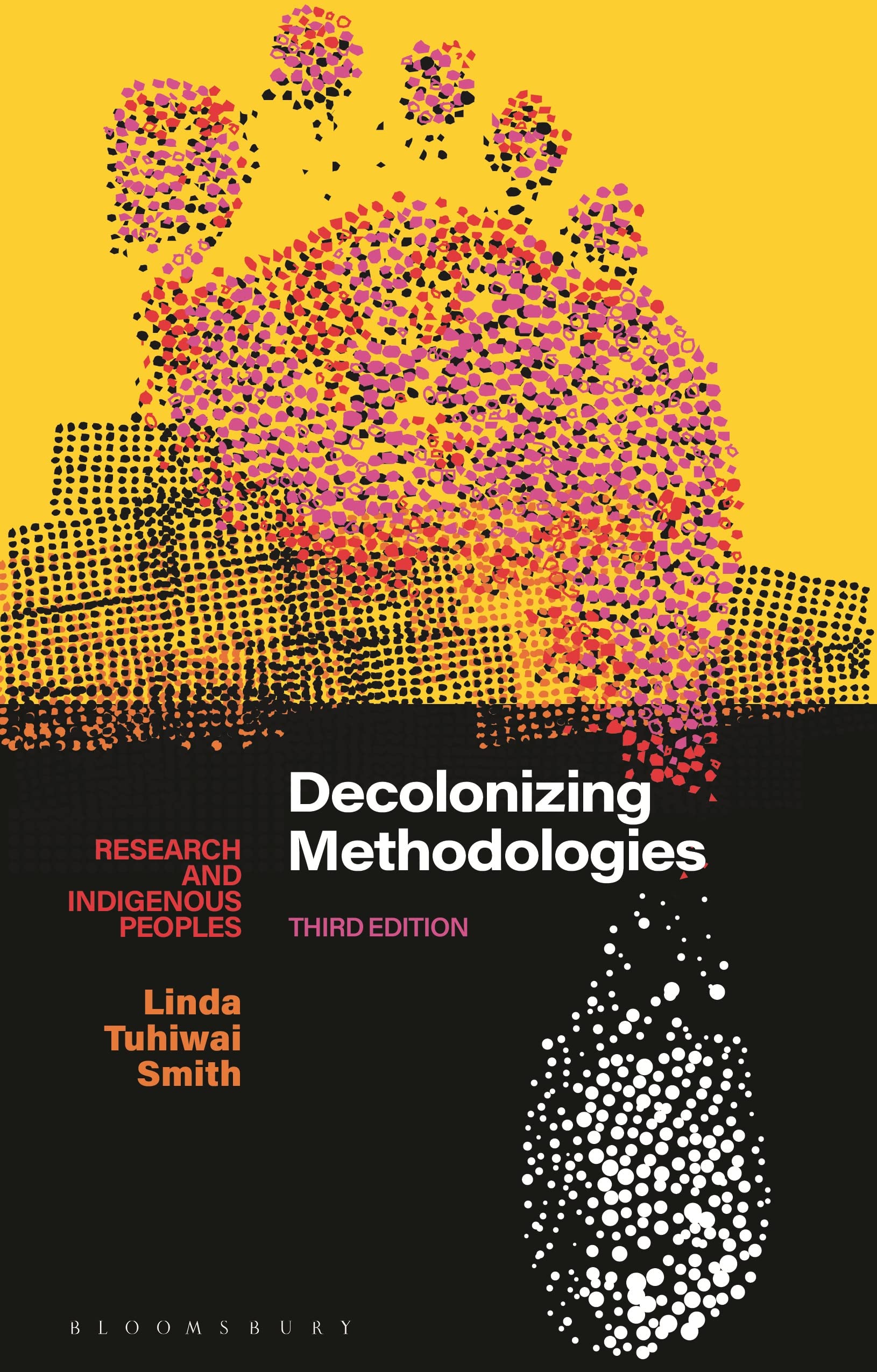
To the colonized, the term research is conflated with European colonialism; the ways in which academic research has been implicated in the throes of imperialism remains a painful memory.This essential volume explores intersections of imperialism and research specifically, the ways in which imperialism is embedded in disciplines of knowledge and tradition as regimes of truth. Concepts such as discovery and claiming are discussed and an argument presented that the decolonization of research methods will help to reclaim control over indigenous ways of knowing and being.Now in its eagerly awaited third edition, this bestselling book includes a cowritten introduction features contributions from indigenous scholars on the books continued relevance to current research. It also features a chapter with twentyfive indigenous projects and a collection of poetry.
⚠️ WARNING (California Proposition 65):
This product may contain chemicals known to the State of California to cause cancer, birth defects, or other reproductive harm.
For more information, please visit www.P65Warnings.ca.gov.
- Q: How many pages does this book have? A: This book contains three hundred forty-four pages. It provides a comprehensive exploration of research in relation to indigenous peoples.
- Q: What is the binding type of this book? A: The binding type is paperback. This makes it lightweight and portable, ideal for reading on the go.
- Q: What are the dimensions of this book? A: The dimensions are five point nine eight inches in length, zero point seven nine inches in width, and eight point four three inches in height.
- Q: How do I read this book effectively? A: To read this book effectively, consider taking notes on key themes and concepts. Engaging with the material through discussions can also enhance understanding.
- Q: Is this book suitable for beginners? A: Yes, this book is suitable for beginners. It provides foundational knowledge about decolonizing methodologies and indigenous research.
- Q: What age group is this book intended for? A: This book is intended for adults and university students. Its themes are complex and best suited for readers with an interest in research and social justice.
- Q: How should I store this book to keep it in good condition? A: Store this book in a cool, dry place away from direct sunlight. Keeping it on a shelf upright can help prevent damage.
- Q: Can this book be used as a reference for academic research? A: Yes, this book can be used as a valuable reference for academic research. It includes contributions from indigenous scholars and discusses relevant methodologies.
- Q: What if my book arrives damaged? A: If your book arrives damaged, you should contact the seller for a return or replacement. Most sellers have policies in place for such issues.
- Q: Is there a warranty for this book? A: No, there is no warranty for this book. However, it is important to check the return policy of the retailer.
- Q: Does this book include any indigenous projects? A: Yes, this book includes a chapter with twenty-five indigenous projects. These projects exemplify decolonizing methodologies in research.
- Q: Are there any poetry collections in this book? A: Yes, this book features a collection of poetry. This adds a unique artistic perspective to the themes discussed.
- Q: Who is the author of this book? A: The author of this book is Linda Tuhiwai Smith. She is a prominent scholar in indigenous studies.
- Q: What genre does this book belong to? A: This book belongs to the genre of biographies and memoirs. It intertwines personal narratives with academic discourse.
- Q: Is this book relevant for current research? A: Yes, this book remains highly relevant for current research. It addresses ongoing issues related to imperialism and indigenous knowledge.