
Title
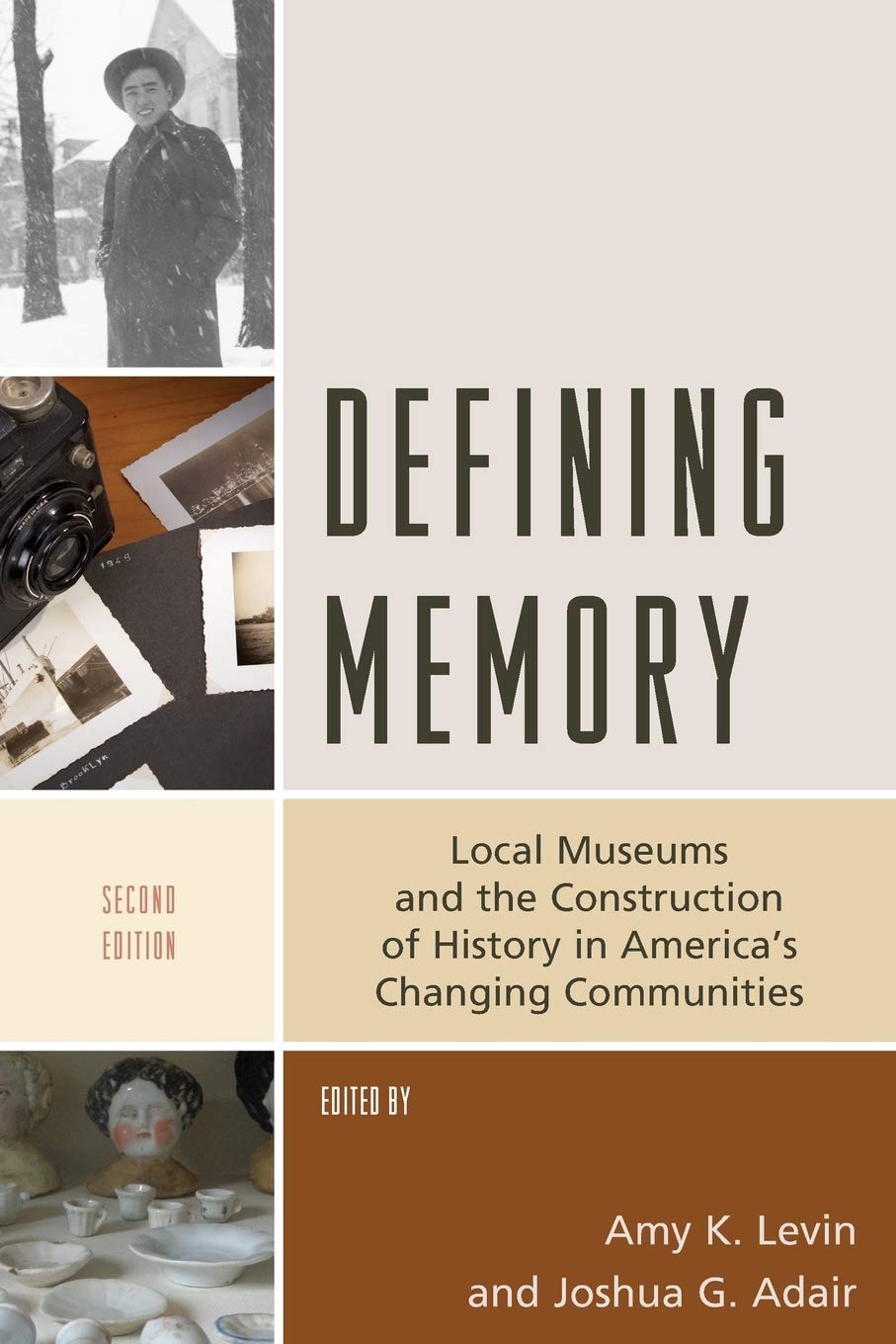
Defining Memory: Local Museums And The Construction Of History In America'S Changing Communities (American Association For State
Sold by Ergodebooks, an authorized reseller.
Returns accepted within 30 days | support@ergodebooks.com
Shipping Information
- Free Standard Shipping — United States only
- Processing Time: 3–5 business days
- Estimated Delivery: 6–10 business days after dispatch
- Double-boxed, fully insured & discreetly packaged
- Tracking number sent via email once dispatched
Returns & Refund
Returns accepted within 30 days of delivery.
Damaged or Defective Item
Free return shipping + replacement or full refund
Wrong Item Received
Free return shipping + replacement or full refund
Change of Mind
Return shipping at customer's expense · 25% restocking fee applies
Payment Option

This Updated Edition Of Defining Memory: Local Museums And The Construction Of History In Americas Changing Communities Offers Readers Multiple Lenses For Viewing And Discussing Local Institutions. New Chapters Are Included In A Section Titled Museums Moving Forward, Which Analyzes The Ways In Which Local Museums Have Come To Adopt Digital Technologies In Selecting Items For Exhibitions As Well As The Complexities Of Creating Institutions Devoted To Marginalized Histories.In Addition To The New Chapters, The Second Edition Updates Existing Chapters, Presenting Changes To The Museums Discussed. It Features Expanded Discussions Of How Local Museums Treat (Or Ignore) Racial And Ethnic Diversity And Concludes With A Look At How Business Relationships, Political Events, And The Economy Affect What Is Shown And How It Is Displayed In Local Museums.
⚠️ WARNING (California Proposition 65):
This product may contain chemicals known to the State of California to cause cancer, birth defects, or other reproductive harm.
For more information, please visit www.P65Warnings.ca.gov.
- Q: How many pages does this book have? A: This book has three hundred forty-six pages. It provides a comprehensive look at local museums and their role in history.
- Q: What are the dimensions of this book? A: The dimensions of the book are six inches in length, zero point seventy-nine inches in width, and nine point zero two inches in height.
- Q: What type of binding does this book have? A: This book is published in paperback binding. This makes it lightweight and easy to carry.
- Q: Who is the author of this book? A: The author of this book is Amy K. Levin. She explores the intersection of local museums and community history.
- Q: What category does this book fall under? A: This book falls under the category of Museums. It focuses on the role of local museums in historical narratives.
- Q: How is this book relevant for museum professionals? A: This book is highly relevant for museum professionals. It discusses digital technologies and strategies for inclusivity in exhibitions.
- Q: Is this book suitable for academic use? A: Yes, this book is suitable for academic use. It provides critical insights into how local museums shape historical understanding.
- Q: Does this book cover contemporary museum practices? A: Yes, this book covers contemporary museum practices. It includes chapters on how museums adapt to digital technologies.
- Q: What themes are discussed in this book? A: The book discusses themes like community history, racial and ethnic diversity, and the impact of economic factors on museums.
- Q: Can this book help in understanding marginalized histories? A: Yes, this book helps in understanding marginalized histories. It emphasizes the importance of inclusivity in museum narratives.
- Q: What should I do if my book arrives damaged? A: If your book arrives damaged, you should contact customer support for assistance. They can guide you through the return or exchange process.
- Q: What is the return policy for this book? A: The return policy typically allows returns within thirty days of purchase. Check the retailer's specific policy for details.
- Q: How can I store this book properly? A: You should store this book in a cool, dry place away from direct sunlight. Proper storage helps maintain its condition.
- Q: Is there a warranty on this book? A: No, there is typically no warranty on books. However, you can inquire about return options if there are issues.
- Q: What if I have trouble accessing the content? A: If you have trouble accessing the content, check if there is a digital version available or consult customer service for help.
- Q: Does this book include illustrations or photographs? A: The book does not specifically mention illustrations or photographs in the description. It focuses primarily on textual content.