If you have any questions, you are always welcome to contact us. We'll get back to you as soon as possible, withing 24 hours on weekdays.
Customer service
All questions about your order, return and delivery must be sent to our customer service team by e-mail at yourstore@yourdomain.com
Sale & Press
If you are interested in selling our products, need more information about our brand or wish to make a collaboration, please contact us at press@yourdomain.com
Help
If you have any questions, you are always welcome to contact us. We'll get back to you as soon as possible, withing 24 hours on weekdays.
Customer service
All questions about your order, return and delivery must be sent to our customer service team by e-mail at yourstore@yourdomain.com
Sale & Press
If you are interested in selling our products, need more information about our brand or wish to make a collaboration, please contact us at press@yourdomain.com
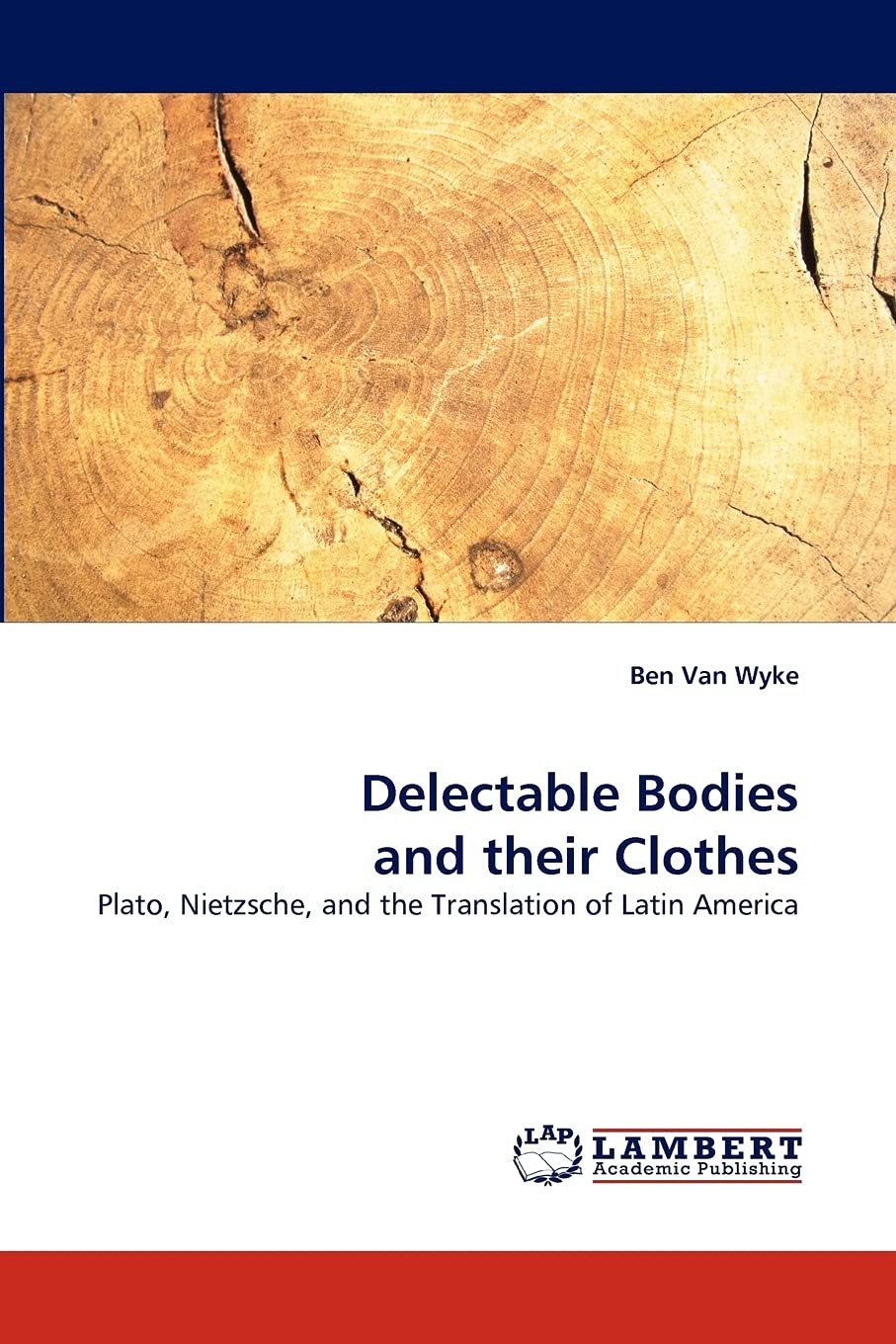
PostNietzschean conceptions of language have radically challenged the traditional view that has dominated the Platonic, Western tradition of translation, but have had a limited impact on mainstream translation studies. This book unfolds around a series of metaphors: translation as redressing, as cannibalism, and translation itself as a metaphor for the process by which national identities are constructed and crosscultural exchanges are enacted. Metaphor is key to this study because both translation and metaphor not only share a common etymology, but have both been designated as secondary forms of representation in the Western tradition and have undergone similar revisions in contemporary philosophy. Both concepts can aid in rethinking the process through which we constantly construct truth and meaning in a world where the metaphorical and the proper, or a translation and its original, cannot be clearly separated. This aim of this study is to introduce translators and students of translation, including those who have no background in philosophy, to the radical contribution that contemporary theory has made to the understanding and practice of this activity.
⚠️ WARNING (California Proposition 65):
This product may contain chemicals known to the State of California to cause cancer,
birth defects, or other reproductive harm.
For MAP (Minimum Advertised Price) violations and Intellectual Property (IP) or Trademark concerns, please contact:
support@ergodebooks.com
⚠️ California Proposition 65 Warning: Some products sold on this website may expose you to chemicals known to the State of California to cause cancer, birth defects, or other reproductive harm. For more information, visit www.P65Warnings.ca.gov.