
Title
Democracy, Culture And The Voice Of Poetry (The University Center For Human Values Series),Used
Sold by Ergodebooks, an authorized reseller.
Returns accepted within 30 days | support@ergodebooks.com
Shipping Information
- Free Standard Shipping — United States only
- Processing Time: 3–5 business days
- Estimated Delivery: 6–10 business days after dispatch
- Double-boxed, fully insured & discreetly packaged
- Tracking number sent via email once dispatched
Returns & Refund
Returns accepted within 30 days of delivery.
Damaged or Defective Item
Free return shipping + replacement or full refund
Wrong Item Received
Free return shipping + replacement or full refund
Change of Mind
Return shipping at customer's expense · 25% restocking fee applies
Payment Option

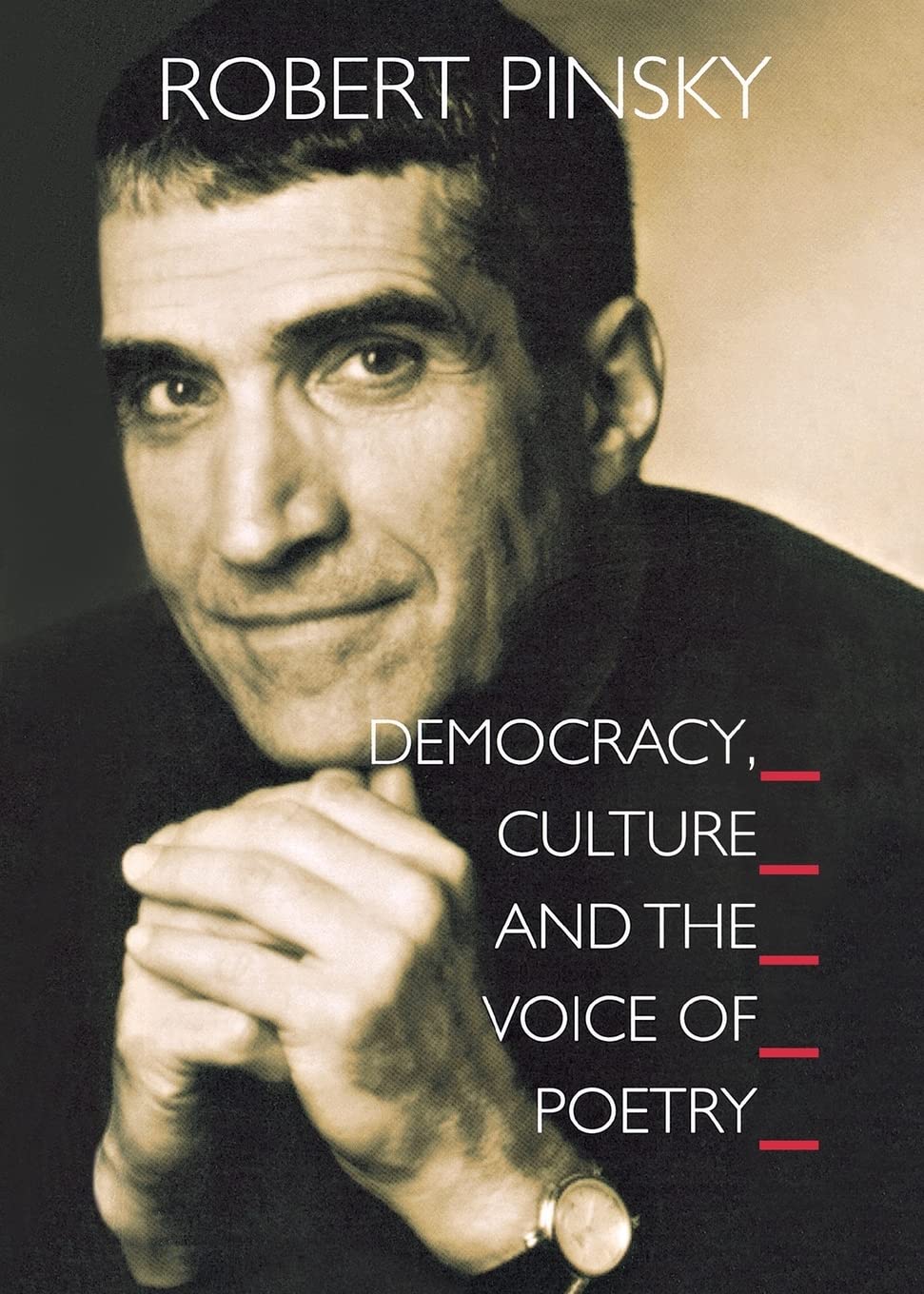
The place of poetry in modern democracy is no place, according to conventional wisdom. The poet, we hear, is a casualty of mass entertainment and prosaic public culture, banished to the artistic sidelines to compose variations on insipid themes for a dwindling audience. Robert Pinsky, however, argues that this gloomy diagnosis is as wrongheaded as it is familiar. Pinsky, whose remarkable career as a poet itself undermines the view, writes that to portray poetry and democracy as enemies is to radically misconstrue both. The voice of poetry, he shows, resonates with profound themes at the very heart of democratic culture.There is no one in America better to write on this topic. One of the country's most accomplished poets, Robert Pinsky served an unprecedented two terms as America's Poet Laureate (19972000) and led the immensely popular multimedia Favorite Poem Project, which invited Americans to submit and read aloud their favorite poems. Pinsky draws on his experiences and on characteristically sharp and elegant observations of individual poems to argue that expecting poetry to compete with show business is to mistake its greatest democratic strengthits intimate, human scaleas a weakness.As an expression of individual voice, a poem implicitly allies itself with ideas about individual dignity that are democracy's bedrock, far more than is mass participation. Yet poems also summon up communal life.. Even the most inwardlooking work imagines a reader. And in their rhythms and cadences poems carry in their very bones the illusion and dynamic of call and response. Poetry, Pinsky writes, cannot help but mediate between the inner consciousness of the individual reader and the outer world of other people. As part of the entertainment industry, he concludes, poetry will always be small and overlooked. As an artand one that is inescapably democraticit is massive and fundamental.
⚠️ WARNING (California Proposition 65):
This product may contain chemicals known to the State of California to cause cancer, birth defects, or other reproductive harm.
For more information, please visit www.P65Warnings.ca.gov.