
Title
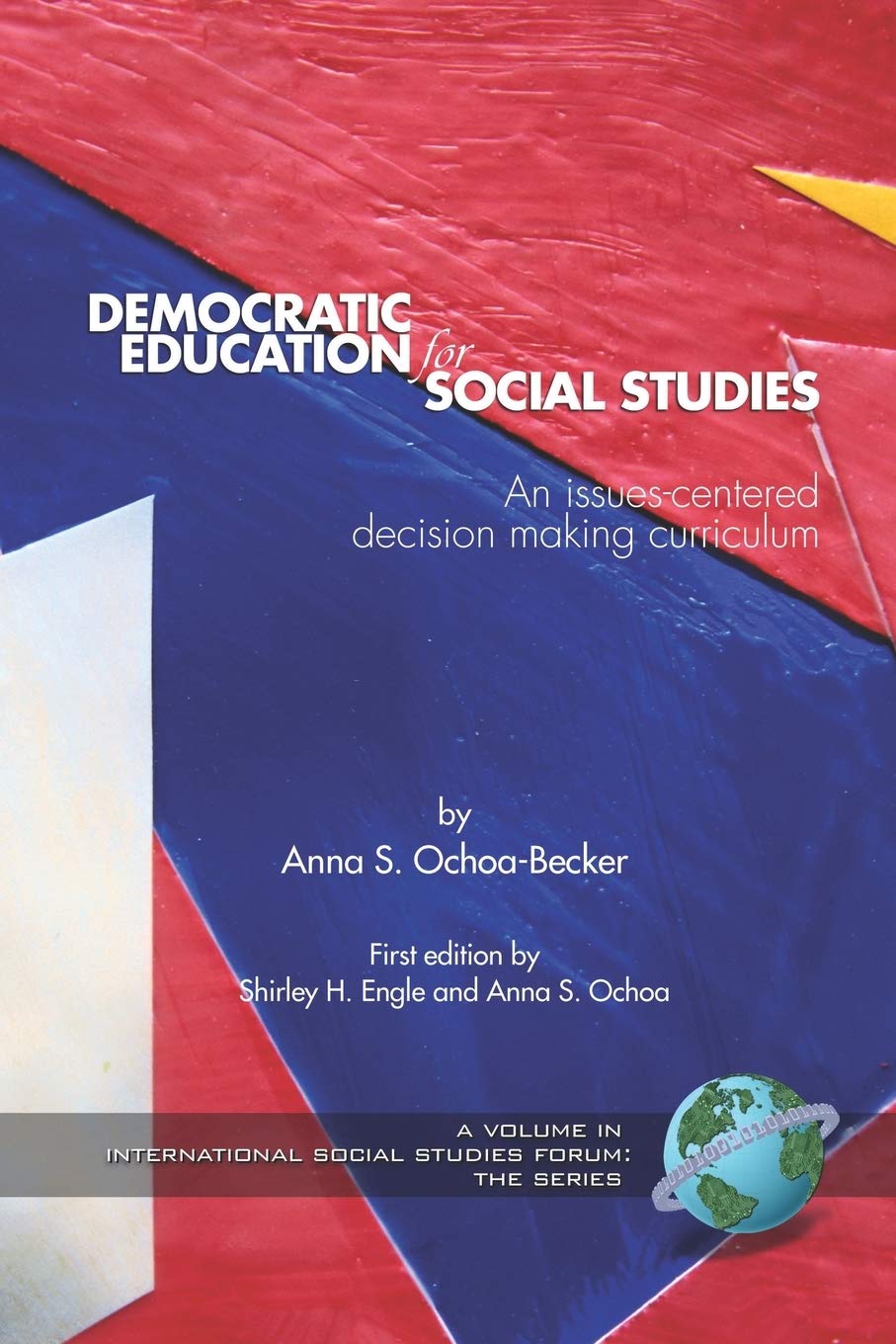
Democratic Education for Social Studies: An IssuesCentered Decision Making Curriculum (International Social Studies Forum: The ,Used
Sold by Ergodebooks, an authorized reseller.
Returns accepted within 30 days | support@ergodebooks.com
Shipping Information
- Free Standard Shipping — United States only
- Processing Time: 3–5 business days
- Estimated Delivery: 6–10 business days after dispatch
- Double-boxed, fully insured & discreetly packaged
- Tracking number sent via email once dispatched
Returns & Refund
Returns accepted within 30 days of delivery.
Damaged or Defective Item
Free return shipping + replacement or full refund
Wrong Item Received
Free return shipping + replacement or full refund
Change of Mind
Return shipping at customer's expense · 25% restocking fee applies
Payment Option

In the first edition of this book published in 1988, Shirley Engle and I offered a broader and more democratic curriculum as an alternative to the persistent backtothebasics rhetoric of the '70s and '80s. This curriculum urged attention to democratic practices and curricula in the school if we wanted to improve the quality of citizen participation and strengthen this democracy. School practices during that period reflected a much lower priority for social studies. Fewer social studies offerings, fewer credits required for graduation and in many cases, the job descriptions of social studies curriculum coordinators were transformed by changing their roles to general curriculum consultants. The mentality that prevailed in the nation's schools was "back to the basics"and the basics never included or even considered the importance of heightening the education of citizens. We certainly agree that citizens must be able to read, write and calculate but these abilities are not sufficient for effective citizenship in a democracy. This version of the original work appears at a time when young citizens, teachers and schools find themselves deluged by a proliferation of curriculum standards and concomitant mandatory testing. In the '90s, virtually all subject areas including United States history, geography, economic and civics developed curriculum standards, many funded by the federal government. Subsequently, the National Council for the Social Studies issued the Social Studies Curriculum Standards that received no federal support. Accountability, captured in the No Child Left Behind Act passed by Congress, has become a powerful, political imperative that has a substantial and disturbing influence on the curriculum, teaching and learning in the first decade of the 21st century.
⚠️ WARNING (California Proposition 65):
This product may contain chemicals known to the State of California to cause cancer, birth defects, or other reproductive harm.
For more information, please visit www.P65Warnings.ca.gov.