
Title
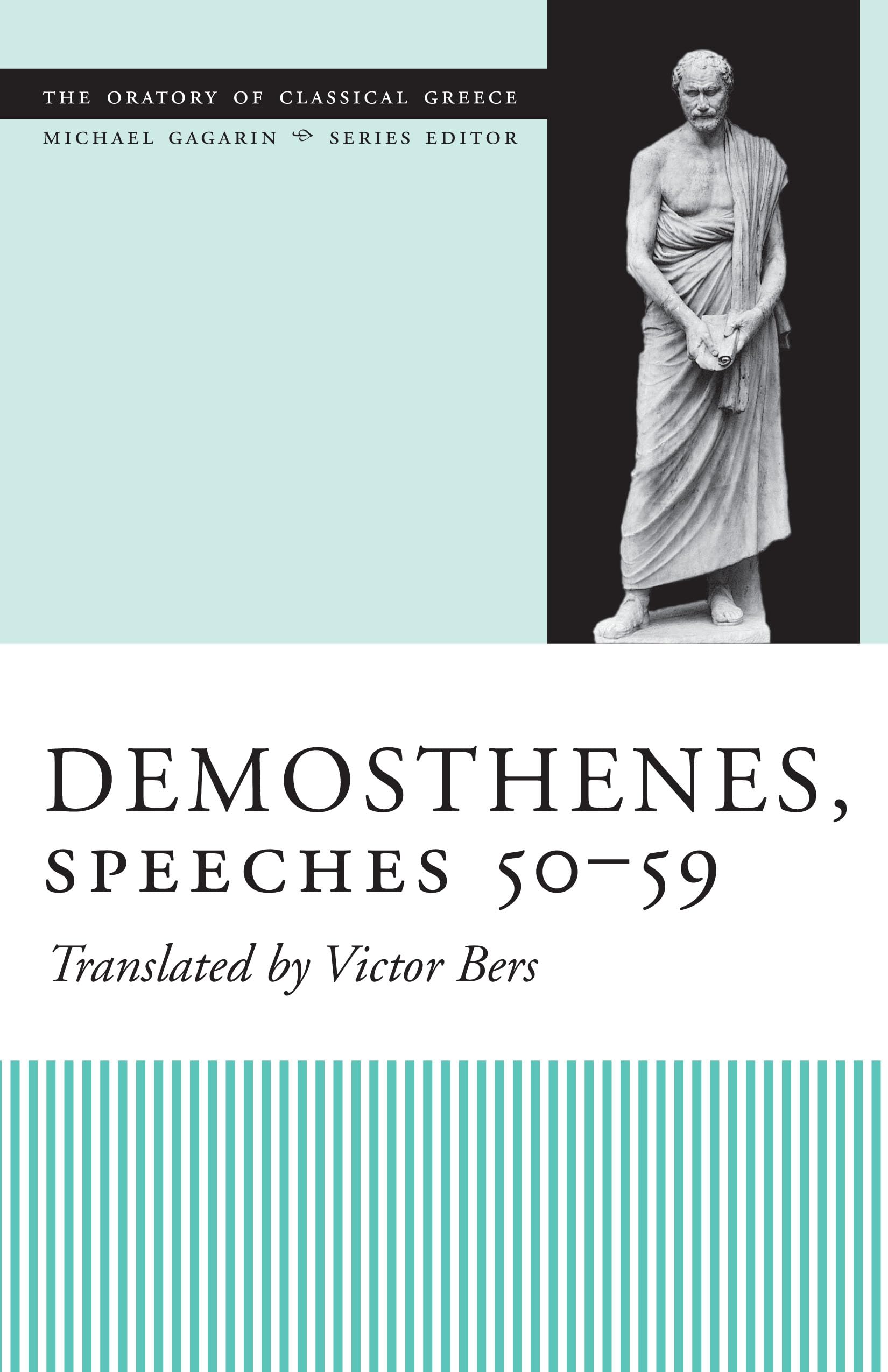
Demosthenes, Speeches 5059 (The Oratory of Classical Greece),Used
Sold by Ergodebooks, an authorized reseller.
Returns accepted within 30 days | support@ergodebooks.com
Shipping Information
- Free Standard Shipping — United States only
- Processing Time: 3–5 business days
- Estimated Delivery: 6–10 business days after dispatch
- Double-boxed, fully insured & discreetly packaged
- Tracking number sent via email once dispatched
Returns & Refund
Returns accepted within 30 days of delivery.
Damaged or Defective Item
Free return shipping + replacement or full refund
Wrong Item Received
Free return shipping + replacement or full refund
Change of Mind
Return shipping at customer's expense · 25% restocking fee applies
Payment Option

This is the sixth volume in the Oratory of Classical Greece. This series presents all of the surviving speeches from the late fifth and fourth centuries BC in new translations prepared by classical scholars who are at the forefront of the discipline. These translations are especially designed for the needs and interests of today's undergraduates, Greekless scholars in other disciplines, and the general public.Classical oratory is an invaluable resource for the study of ancient Greek life and culture. The speeches offer evidence on Greek moral views, social and economic conditions, political and social ideology, law and legal procedure, and other aspects of Athenian culture that have been largely ignored: women and family life, slavery, and religion, to name just a few.Demosthenes is regarded as the greatest orator of classical antiquity; indeed, his very eminence may be responsible for the inclusion under his name of a number of speeches he almost certainly did not write. This volume contains four speeches that are most probably the work of Apollodorus, who is often known as 'the Eleventh Attic Orator.' Regardless of their authorship, however, this set of ten law court speeches gives a vivid sense of public and private life in fourthcentury BC Athens. They tell of the friendships and quarrels of rural neighbors, of young men joined in raucous, intentionally shocking behavior, of families enduring great poverty, and of the intricate involvement of prostitutes in the lives of citizens. They also deal with the outfitting of warships, the grain trade, challenges to citizenship, and restrictions on the civic role of men in debt to the state.
⚠️ WARNING (California Proposition 65):
This product may contain chemicals known to the State of California to cause cancer, birth defects, or other reproductive harm.
For more information, please visit www.P65Warnings.ca.gov.