
Title
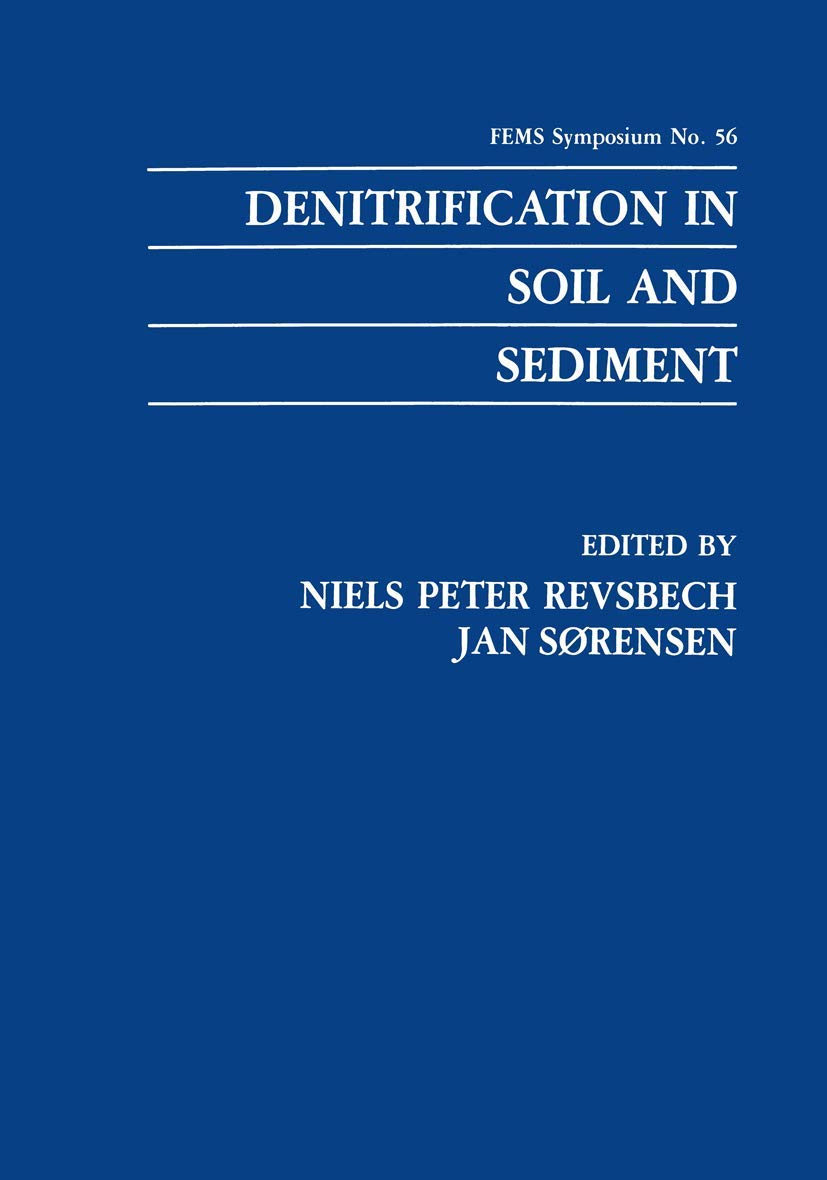
Denitrification in Soil and Sediment (F.E.M.S. Symposium Series, 56),Used
Sold by Ergodebooks, an authorized reseller.
Returns accepted within 30 days | support@ergodebooks.com
Shipping Information
- Free Standard Shipping — United States only
- Processing Time: 3–5 business days
- Estimated Delivery: 6–10 business days after dispatch
- Double-boxed, fully insured & discreetly packaged
- Tracking number sent via email once dispatched
Returns & Refund
Returns accepted within 30 days of delivery.
Damaged or Defective Item
Free return shipping + replacement or full refund
Wrong Item Received
Free return shipping + replacement or full refund
Change of Mind
Return shipping at customer's expense · 25% restocking fee applies
Payment Option

The formation of atmospheric nitrogen gas by denitrifying bacteria may represent a significant nutrient sink in natural ecosystems. The rate of denitrification has often been difficult to measure in situ, however, and new methodologies should stimulate research on distribution of activity in space and time. The load of fertilizer nitrogen in modem agriculture has led to increasing nutrient reservoirs in recipient subsoils, aquifers, inland waters and coastal seas. By its conversion of nitrate to atmospheric nitrogen, bacterial denitrification is the only biological process to potentially reduce the impact of increasing nutrient loadings by fertilizer nitrogen in the environment. As part of a scientific program set up by the Danish Ministry of Environment to study environment cycling of nitrogen, phosphorous and organic matter (NPO program) in the light of agricultural, domestic and industrial activities, a symposium on DENITRIFICATION IN SOIL AND SEDIMENT was held at the University of Aarhus, Denmark from 69 June 19i9. On the basis of lectures given at the symposium, this book contains a number of invited contributions on the regulation of denitrification activity (control of enzyme synthesis and activity) and measurement of in situ rates of denitrification in terrestrial and aquatic environments (control factors, diel and seasonal variations, etc). Emphasis has been placed on including the recent improvements in methodologies and current understanding of process regulation, however the book also contains examples of integrated research on the significance of denitrification in environmental nutrient cycling.
⚠️ WARNING (California Proposition 65):
This product may contain chemicals known to the State of California to cause cancer, birth defects, or other reproductive harm.
For more information, please visit www.P65Warnings.ca.gov.