
Title
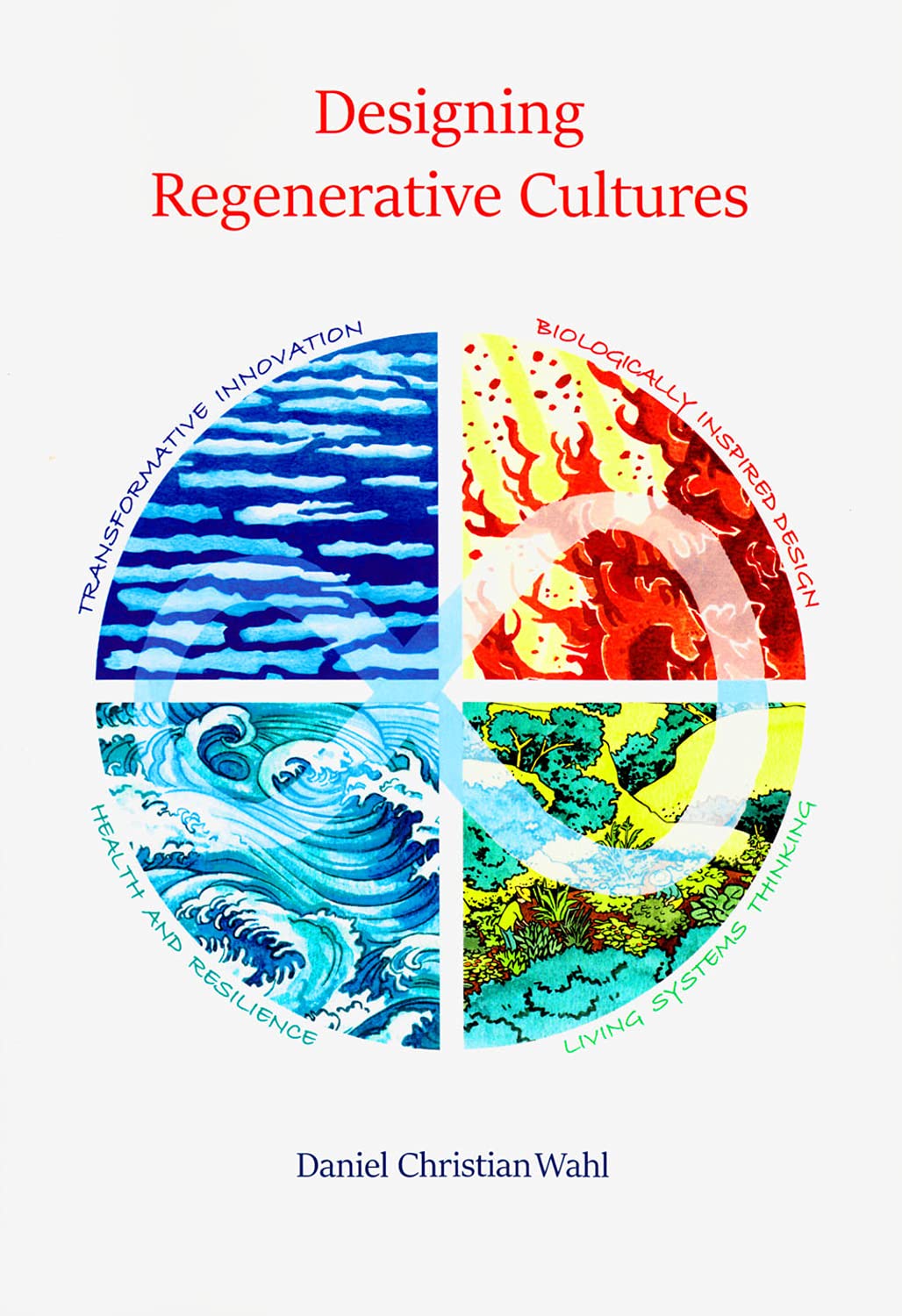
Designing Regenerative Cultures,New
Sold by Ergodebooks, an authorized reseller.
Returns accepted within 30 days | support@ergodebooks.com
Shipping Information
- Free Standard Shipping — United States only
- Processing Time: 3–5 business days
- Estimated Delivery: 6–10 business days after dispatch
- Double-boxed, fully insured & discreetly packaged
- Tracking number sent via email once dispatched
Returns & Refund
Returns accepted within 30 days of delivery.
Damaged or Defective Item
Free return shipping + replacement or full refund
Wrong Item Received
Free return shipping + replacement or full refund
Change of Mind
Return shipping at customer's expense · 25% restocking fee applies
Payment Option

This is a 'Whole Earth Catalog' for the 21st century: an impressive and wideranging analysis of what's wrong with our societies, organizations, ideologies, worldviews and cultures and how to put them right. The book covers the finance system, agriculture, design, ecology, economy, sustainability, organizations and society at large. In this remarkable book, Daniel Wahl explores ways in which we can reframe and understand the crises that we currently face, and he explores how we can live our way into the future. Moving from patterns of thinking and believing to our practice of education, design and community living, he systematically shows how we can stop chasing the mirage of certainty and control in a complex and unpredictable world. The book asks how can we collaborate in the creation of diverse regenerative cultures adapted to the unique biocultural conditions of place? How can we create conditions conducive to life? *** 'This book is a valuable contribution to the important discussion of the worldview and value system we need to redesign our businesses, economies, and technologies in fact, our entire culture so as to make them regenerative rather than destructive.' Fritjof Capra, author of The Web of Life, coauthor of The Systems View of Life: A Unifying Vision *** 'This is an excellent addition to the literature on ecological design and it will certainly form a keystone in the foundations of the new MA in Ecological Design Thinking at Schumacher College, Devon. It not only contains a wealth of ideas on what Dr Wahl has termed 'Designing Regenerative Cultures' but what is probably more important, it provides some stimulating new ways of looking at persistent problems in our contemporary culture and hence opens up new ways of thinking and acting in the future.' Seaton Baxter OBE, Prof. in Ecological Design Thinking, Schumacher College, UK [Subject: Systems Thinking, Education, Social Anthropology, Environmentalism, Ecology, Regenerative Culture, Sociology]
⚠️ WARNING (California Proposition 65):
This product may contain chemicals known to the State of California to cause cancer, birth defects, or other reproductive harm.
For more information, please visit www.P65Warnings.ca.gov.
- Q: What is the main focus of 'Designing Regenerative Cultures'? A: The book focuses on analyzing the issues within modern societies, organizations, and cultures, exploring how to create regenerative cultures that are adapted to unique biocultural conditions.
- Q: Who is the author of this book? A: The author of 'Designing Regenerative Cultures' is Daniel Christian Wahl.
- Q: What topics are covered in the book? A: The book covers a wide range of topics including finance systems, agriculture, design, ecology, economy, sustainability, and community living.
- Q: What is the page count and binding type of the book? A: The book has 288 pages and is available in paperback binding.
- Q: When was 'Designing Regenerative Cultures' published? A: The book was published on May 31, 2016.
- Q: Is this book suitable for professionals in ecological design? A: Yes, the book is considered an excellent addition to the literature on ecological design and is recommended for professionals and students in related fields.
- Q: What are the key themes discussed in the book? A: Key themes include systems thinking, ecological design, social anthropology, and the need for a shift towards regenerative cultures.
- Q: Does the book provide practical solutions for creating regenerative cultures? A: Yes, the book offers insights and frameworks for reframing crises to foster collaboration in creating diverse regenerative cultures.
- Q: What kind of readers would benefit from this book? A: Readers interested in sustainability, environmentalism, and innovative approaches to societal issues will find value in this book.
- Q: Are there any endorsements or reviews from experts? A: Yes, the book has received endorsements from notable figures such as Fritjof Capra and Seaton Baxter OBE, highlighting its importance in ecological design discussions.