
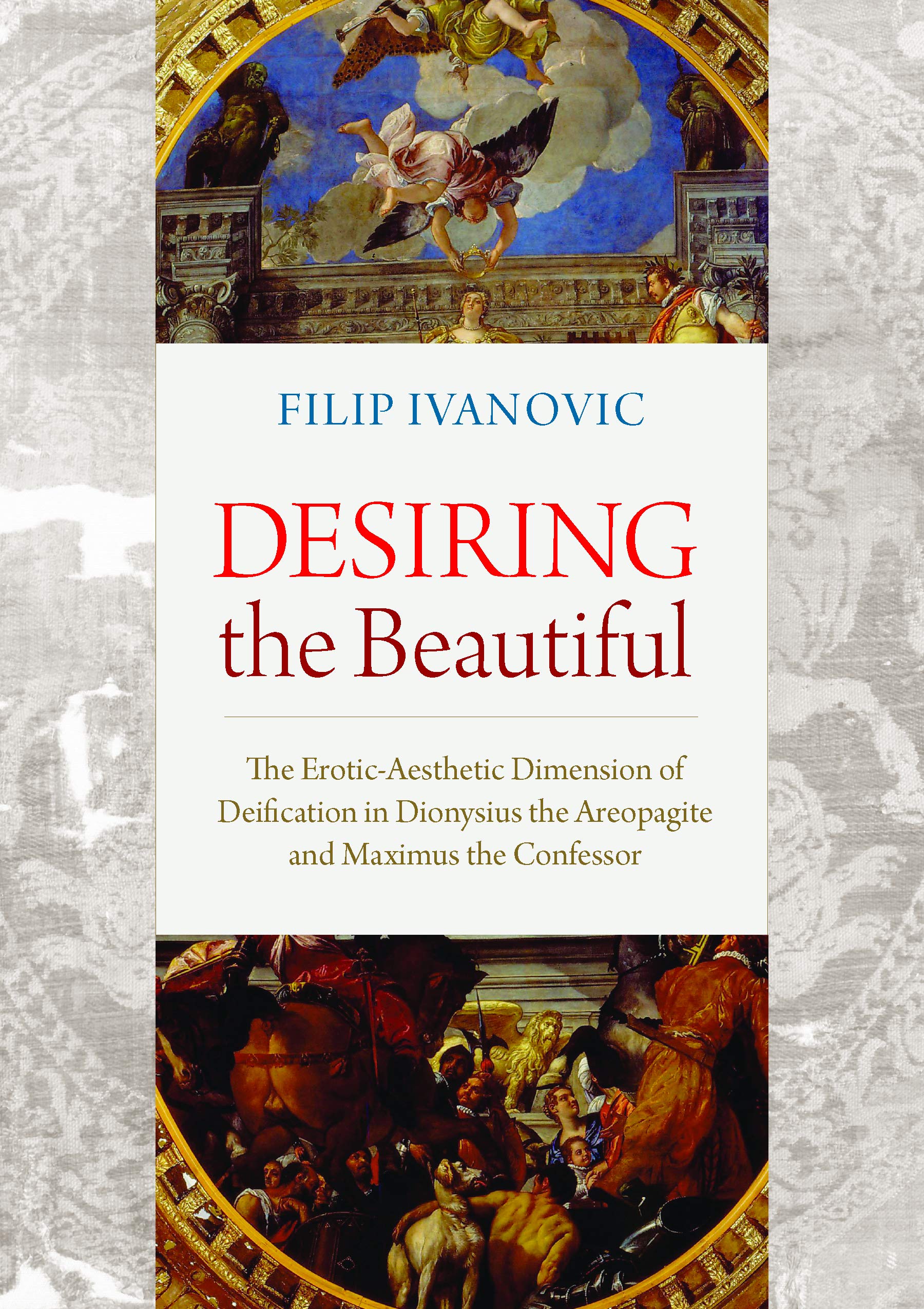
Title
Desiring The Beautiful: The Eroticaesthetic Dimension Of Deification In Dionysius The Areopagite And Maximus The Confessor,Used
Sold by Ergodebooks, an authorized reseller.
Returns accepted within 30 days | support@ergodebooks.com
Shipping Information
- Free Standard Shipping — United States only
- Processing Time: 3–5 business days
- Estimated Delivery: 6–10 business days after dispatch
- Double-boxed, fully insured & discreetly packaged
- Tracking number sent via email once dispatched
Returns & Refund
Returns accepted within 30 days of delivery.
Damaged or Defective Item
Free return shipping + replacement or full refund
Wrong Item Received
Free return shipping + replacement or full refund
Change of Mind
Return shipping at customer's expense · 25% restocking fee applies
Payment Option

Desiring the Beautiful studies the concept of deification, theosis, in two of the most influential early Christian philosophertheologians, who might be considered as theoretical consolidators of the idea of theosis, and argues that the proper understanding of their central soteriological concept must take into account its dimension of love and beauty.The core of the book consists of six chapters, each dedicated to the three central concepts in two thinkers, and while they can be considered as distinct studies, they are, however, elements which lead to the synoptic vision of the eroticaesthetic dimension of deification. The three themes have been treated systematically, followed by a synthesis and comparison of convergence and divergence between Dionysus and Maximus. The core of the task stands, of course, in the texts and their interpretation, so the method employed was unavoidably hermeneutical as well.While Dionysius and Maximus are among the most studied Church fathers, the context in which love, beauty and deification relate has not been thoroughly examined so far, and thus Desiring the Beautiful complements existing studies by emphasizing this important aspect of deification as understood by its two chief advocates. Primarily intended for scholars of patristics and Byzantine philosophy, the book can serve as a substantial introduction to the overall thought of Dionysius and Maximus, so it will be of use also to readers interested in late antique and Byzantine studies, early Christian theology, and the relationship between Greek philosophy and Christianity.
⚠️ WARNING (California Proposition 65):
This product may contain chemicals known to the State of California to cause cancer, birth defects, or other reproductive harm.
For more information, please visit www.P65Warnings.ca.gov.